
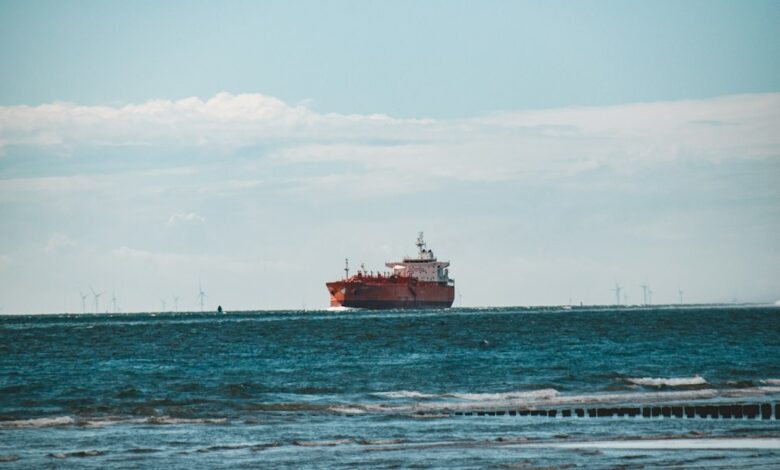
The immediate catalyst for the price action was a statement by President Donald Trump, who indicated that the United States does not require a deal with Iran. This declaration left the conflict that has roiled Middle East supplies unresolved, preventing a potential de-escalation that might have allowed prices to retreat toward their historical averages. In the futures markets, where contracts are constantly traded based on expectations of future supply and demand, such geopolitical signals can cause sudden swings. The result is a price that remains firmly anchored in a higher range, erasing earlier losses as traders price in the risk of continued disruption.
To understand the significance of the current $94.58 price point, it is necessary to examine the broader trajectory of the oil market over the past year. One year ago, Brent crude was trading at $63.01 per barrel. The current price represents a 50.10% increase over that period. In contrast, the price has pulled back from a peak of $106.68 recorded just one month ago, an 11.34% decline. This volatility is characteristic of the oil market, which has historically been driven by a complex interplay of wars, recessions, OPEC+ production decisions, and evolving energy policies. From the export embargoes of the early 1970s to the demand collapse during the 2020 pandemic lockdowns, which saw prices dip below $20, the market has demonstrated little stability. Today’s price sits within a volatile band defined by these recurring shocks.
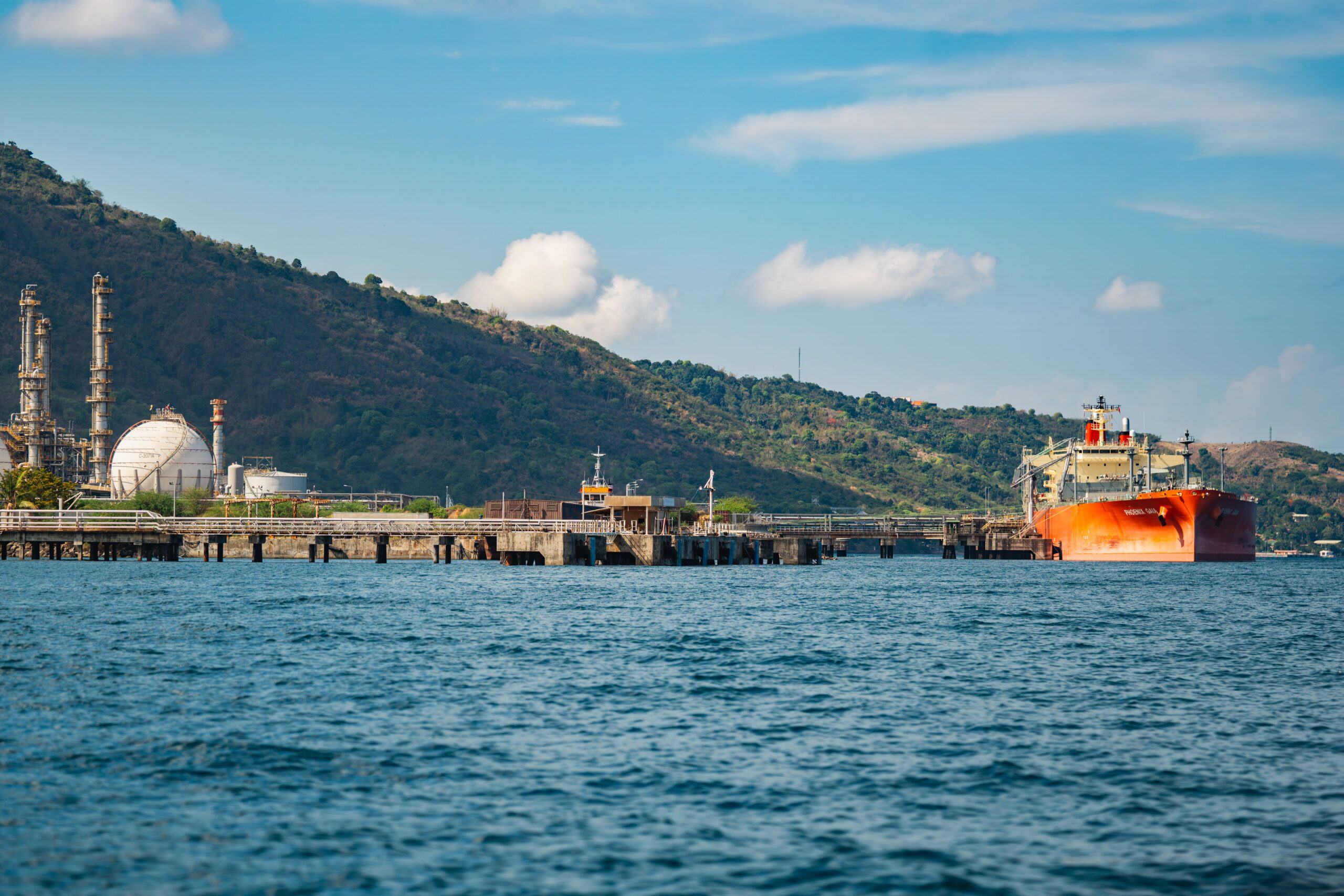
The transmission of these wholesale crude prices to the consumer level is not instantaneous or symmetrical. For the average driver, the price at the pump is a composite of crude oil costs, refining margins, wholesale distribution, government taxes, and retail markups. While crude oil typically accounts for more than half of the final price per gallon, making it the primary driver of pump prices, the market exhibits a phenomenon often described as “rockets and feathers.” Sharp increases in crude prices tend to translate into rapid hikes at the pump, whereas declines in oil prices often result in slower, more delayed reductions in retail gas prices. This asymmetry means that even as Brent crude retreats slightly from its recent highs, consumers may continue to feel the weight of the earlier surge in fuel costs.
Beyond the immediate impact on transportation, elevated oil prices have broader economic implications. High energy costs tend to inflate the price of everyday goods, not only through direct energy expenses like heating and utilities but also through the logistics of manufacturing and shipping. When it becomes more expensive to move products from warehouses to shelves, that cost is often passed on to the consumer. Furthermore, oil and natural gas prices are linked; significant movements in oil can influence natural gas markets, as industries may substitute gas for oil in certain operations, thereby altering demand dynamics across the fuel spectrum.

The U.S. Strategic Petroleum Reserve (SPR) serves as a critical, though limited, tool in managing these price spikes. Its primary function is to secure energy during emergencies, such as sanctions, severe storm damage, or war, and to mitigate the impact of brutal price spikes on crucial sectors of the economy, including emergency services and public transportation. However, the SPR is designed as an immediate safety net rather than a long-term solution. It cannot offset structural supply deficits or permanently alter the fundamental push and pull of global demand. Additionally, the role of U.S. shale production remains a key variable. As shale is a source of yet-to-be-tapped energy, increased access to these resources can help stabilize prices by adding to the global supply, potentially preventing the kind of sharp spikes seen during periods of geopolitical stress.
Policy decisions also play a significant role in shaping future supply. The current administration has moved to reopen more than 1.5 million acres in the Coastal Plain of the Arctic National Wildlife Refuge for oil and gas leasing, reversing previous policies that had limited drilling in the region. Such administrative shifts can influence future supply expectations, which in turn affect current futures trading. Yet, with the US-Iran conflict remaining unresolved, the market continues to price in a degree of uncertainty that keeps Brent crude elevated. The next verified development will likely hinge on whether diplomatic efforts can de-escalate tensions or if further supply disruptions force the price to test new highs.




One Comment