
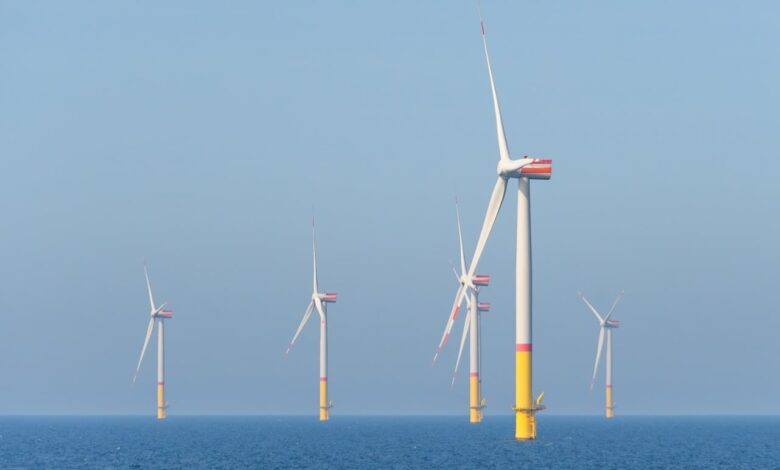
A striking example of this trend is Texas, which has emerged as the leading state for utility-scale solar power generation capacity. Despite a lack of state-level decarbonization goals and a political environment often skeptical of federal green mandates, Texas added significant renewable capacity in 2025, reaching approximately 90 gigawatts (GW). The state’s deregulated power grid, combined with lighter permitting processes and abundant natural resources, has created an environment where solar energy outperforms coal in terms of electricity generation. According to recent data, Texas now generates more power from solar farms than from coal plants. This growth is not driven by ideological alignment with federal climate policy but by the practical economics of falling technology costs and the need for grid reliability.
However, the operating environment for new solar projects in Texas is not without friction. Developers face cost-boosting tariffs on imported solar module components, a factor that complicates supply chains and project economics. Yet, the scale of deployment suggests that these cost pressures have not halted investment, indicating a robust underlying demand for low-carbon generation. This dynamic illustrates a broader pattern: while federal policy provides the macro-framework, on-the-ground deployment is increasingly dictated by local market conditions and state regulatory landscapes.
Virginia offers a second case study in state-led energy policy evolution. In its recent General Assembly session, Virginia passed a suite of bills addressing grid efficiency, solar access, and carbon pricing, though many remain pending Governor Abigail Spanberger’s signature. A centerpiece of this legislative push is the requirement for Dominion Energy and state regulators to establish “grid utilization” metrics. This legislation aims to optimize existing infrastructure before approving new construction, a move designed to reduce electricity bills by eliminating waste in the grid system. Virginia would become the first state in the nation to formally pursue this concept, responding to growing consumer concern over energy affordability. As bill sponsor Del. Destiny LeVere Bolling noted, the existing grid is “not being utilized to its fullest extent,” suggesting that smarter management of current assets can yield significant economic and environmental benefits.

Virginia’s legislative package also includes expanded allowances for battery energy storage at commercial solar facilities and increased utility targets for storage capacity under the Virginia Clean Economy Act. These measures address the intermittency of wind and solar resources, ensuring grid reliability through strategic energy storage. Additionally, the state is moving to rejoin the Regional Greenhouse Gas Initiative (RGGI), a cap-and-trade market for carbon dioxide emissions from power plants. Virginia’s previous participation generated over $800 million in revenue, which was allocated to flood preparedness and energy efficiency programs. The re-entry into RGGI signals a renewed commitment to market-based mechanisms for reducing emissions, despite earlier reversals under previous administration.
Other legislative measures in Virginia focus on expanding access to solar power, including the approval of “balcony solar” for residential use, making Virginia the second state to adopt such provisions. There is also a strong emphasis on energy efficiency, with pilots modeled after the Energy Efficiency Institute’s “Pay As You Save” program to assist low-income, elderly, and disabled households with HVAC upgrades and weatherization. These policies reflect a holistic approach to energy transition that prioritizes affordability, equity, and grid resilience alongside capacity expansion.
Nationally, the data reveals a broad dispersion of solar and wind deployment between 2020 and 2025, moving beyond the traditional hubs of California and North Carolina. This geographic spread is driven by declining costs and improving project economics, which have made renewables viable in a wider range of market contexts. While the US remains heavily reliant on fossil fuels in domestic economic sectors, the composition of that reliance has shifted. Coal production has fallen by more than 40% over the last decade, tracking the decline in domestic coal consumption. In contrast, oil and gas production and exports have grown steadily since 2008, with the US becoming a net exporter of liquefied natural gas (LNG). However, recent geopolitical upheavals in the Middle East have underscored the country’s continued exposure to global fossil energy markets, reinforcing the strategic value of domestic renewable energy for energy security.
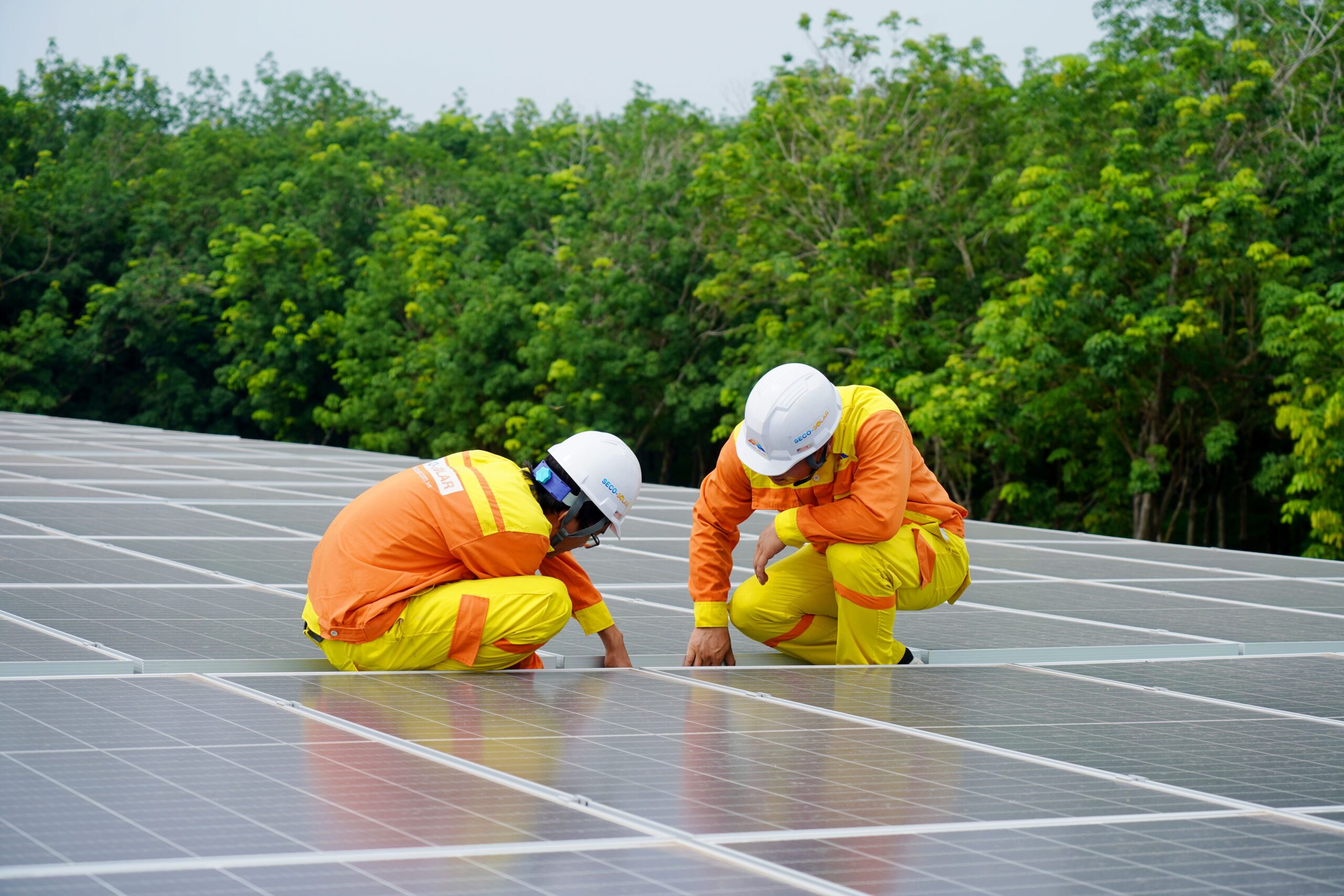
The persistence of renewable growth despite federal policy uncertainty highlights a fundamental shift in the energy transition. Businesses, local governments, and consumers are making decisions based on immediate practical needs—such as lower electricity costs, grid reliability, and public health benefits—rather than long-term federal climate targets. For instance, Oregon’s 2016 law to phase out coal by 2035 was justified on grounds of public health and safety, illustrating how non-climate drivers can catalyze significant energy policy changes. Similarly, the rapid growth of data centers in states like Virginia is influencing grid management and energy cost allocation, with new laws shifting some costs toward large industrial users while supporting low-income households.
As federal policy remains in flux, the onus shifts to state and local authorities, as well as market participants, to shape the trajectory of the US energy system. The evidence from Texas and Virginia suggests that the renewable energy sector is becoming increasingly resilient to political volatility, driven by tangible economic and operational imperatives. The next critical milestones for these states will depend on the final signing of pending bills in Virginia and the continued ability of Texas developers to navigate tariff-related cost increases while maintaining deployment rates.