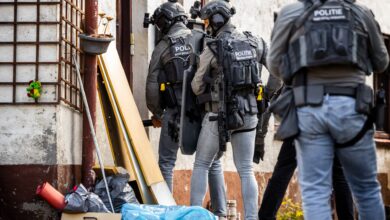
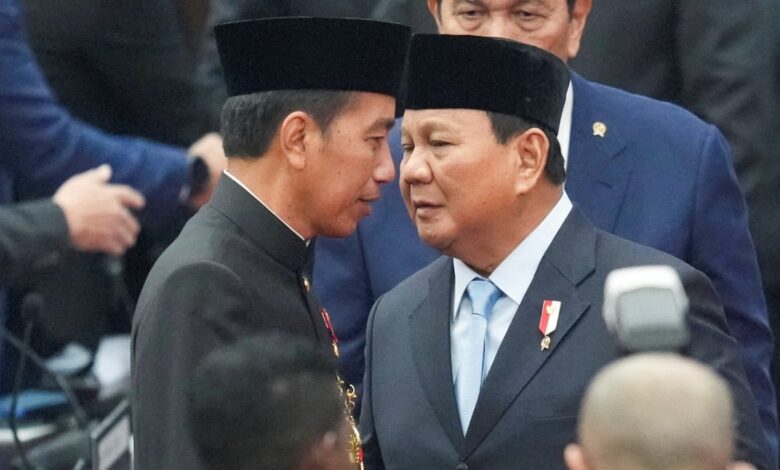
The four individuals under scrutiny include Listyo Sigit Prabowo, the former head of the National Police, and three other senior officers. It is explicitly noted that Listyo Sigit Prabowo is not related to the sitting president. The suspects were detained last week, a move that signals the transition of the case from an internal administrative review to a formal criminal investigation with serious legal ramifications.
Treason under Indonesian law is a severe offense, typically reserved for acts that threaten the sovereignty or security of the state. While the specific statutory provisions being applied were not detailed in the initial announcement, the classification of the wiretapping as an act of treason implies that the authorities view the breach of presidential communications not merely as a privacy violation or abuse of power, but as an act with potential implications for national security or the integrity of the executive branch. This distinction carries profound legal weight, as it elevates the severity of the alleged conduct beyond standard criminal statutes regarding data interception or corruption.
The procedural status of the case is currently at the stage of initial evidence assessment. Police stated they have enough “initial evidence” to pursue the charges, a threshold that typically precedes the formal filing of an indictment or *dakwaan* with the prosecution. In the Indonesian judicial system, this step allows investigators to formally hold the suspects and prepare the case file for review by the Attorney General’s office, which will determine whether to proceed to trial. The suspects are currently in custody, a condition that remains in effect pending further legal proceedings, including potential bail applications or continued detention orders by a court.
Members of the Indonesian parliament have called on detectives to move beyond the immediate suspects to uncover who ultimately ordered the bugging. This legislative pressure highlights the political sensitivity of the case, as the wiretapping of a sitting president raises questions about the chain of command and the potential abuse of state surveillance tools. The lawmakers’ demands underscore the need for transparency in the investigation, ensuring that the probe does not end with the detention of the operational officers involved but extends to the source of the authorization.
The legal distinction between the acts of the suspects and the ultimate responsibility for the order is a central issue in the ongoing proceedings. While the four arrested officials are charged with the act of wiretapping, the identity of the person who may have directed the surveillance remains under investigation. Until a court issues a ruling or a formal indictment is filed specifying the exact legal counts and the roles of each suspect, the presumption of innocence remains fully applicable to all individuals involved. The use of the term “suspects” reflects their current legal status; they have not been convicted, and no final judgment has been rendered.
The case also raises broader questions about the legal framework governing electronic surveillance in Indonesia. The unauthorized nature of the monitoring, as alleged, suggests a bypass of standard legal safeguards designed to protect privacy and ensure that state surveillance is conducted within the bounds of the law. If the treason charges are sustained, the case could set a precedent for how breaches of executive communication are handled under national security laws. Conversely, if the charges are dropped or reduced to lesser offenses related to abuse of power or data privacy violations, the legal significance of the case would shift accordingly.
Practical consequences for the suspects include the risk of lengthy imprisonment if convicted of treason, which carries one of the highest penalties in the Indonesian penal code. The case also impacts the credibility of the police institution, as the involvement of the former national police chief and other senior figures suggests a high-level breach of trust. The ongoing investigation will likely involve the examination of digital evidence, call records, and internal police communications to establish the timeline and authorization of the wiretapping.
As the case moves toward the next formal step, the focus will be on the filing of the indictment. The prosecutor’s office will review the initial evidence gathered by the police to determine whether it meets the standard for a criminal trial. If the charges proceed, the suspects will have the right to legal representation and the opportunity to challenge the sufficiency of the evidence. The outcome of this investigation will be closely watched as a test of the rule of law in Indonesia, particularly regarding the accountability of high-ranking officials and the protection of constitutional rights against state overreach.
The next formal step in the legal process is expected to be the submission of the case file to the procuratorate for review. Following this, a decision will be made on whether to file an indictment with the court. The timeline for this step can vary, but it is a critical juncture that determines whether the case will proceed to trial. Until then, the suspects remain in custody, and the investigation into the origin of the wiretapping orders continues.