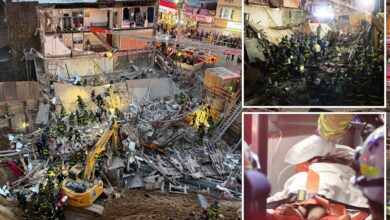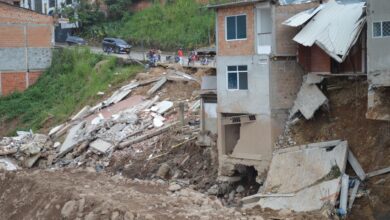
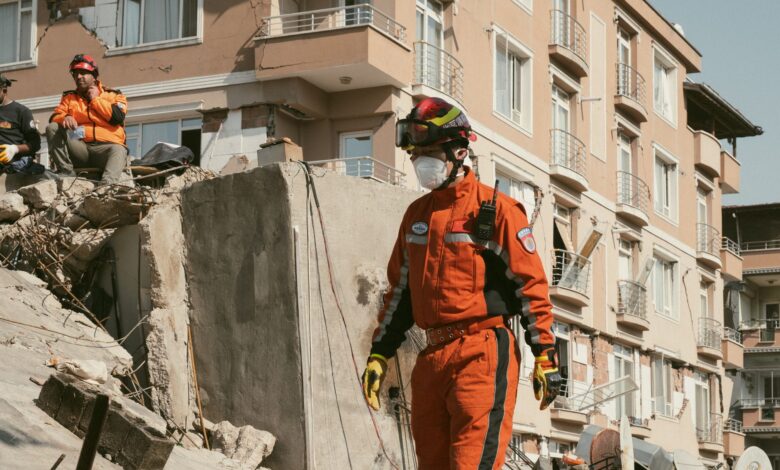
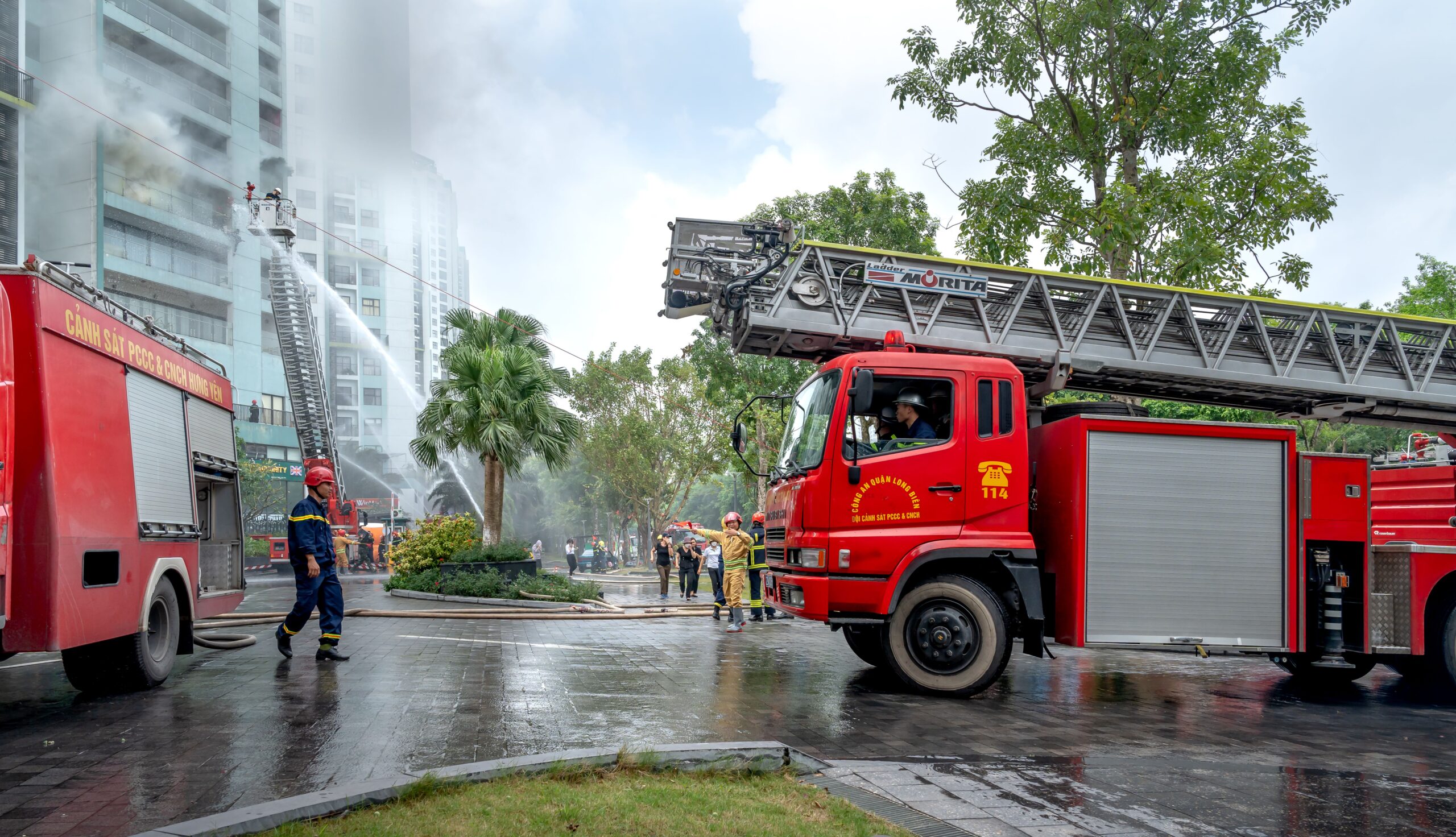
According to the New York Fire Department (FDNY), the side of the building fell into the neighboring site at the corner of Flatbush and Bedford Avenues. The immediate response was massive, with 69 units and 250 fire and EMS personnel scrambled to the scene. New York City Mayor Zohran Mamdani stated that the FDNY received a 911 call regarding the collapse at 4:01 p.m., with firefighters arriving within one minute to launch rescue efforts. Over 12 hours later, the operation remained active, utilizing drones, buckets, and vacuum trucks to search through the wreckage for survivors who may still be trapped.
The death toll was confirmed to be five, with officials noting that the initial FDNY report of two deaths had risen as three more bodies were recovered from the rubble. Among the 19 injured, four were in critical condition, and at least seven were children. One firefighter also sustained minor injuries during the operation. The human cost of the collapse was starkly illustrated by Anderson Velez, who recounted receiving a desperate call from his wife, who was trapped inside the building. “She was screaming for someone to help get my son out,” Velez said, highlighting the chaotic and terrifying nature of the event for those caught in the debris.
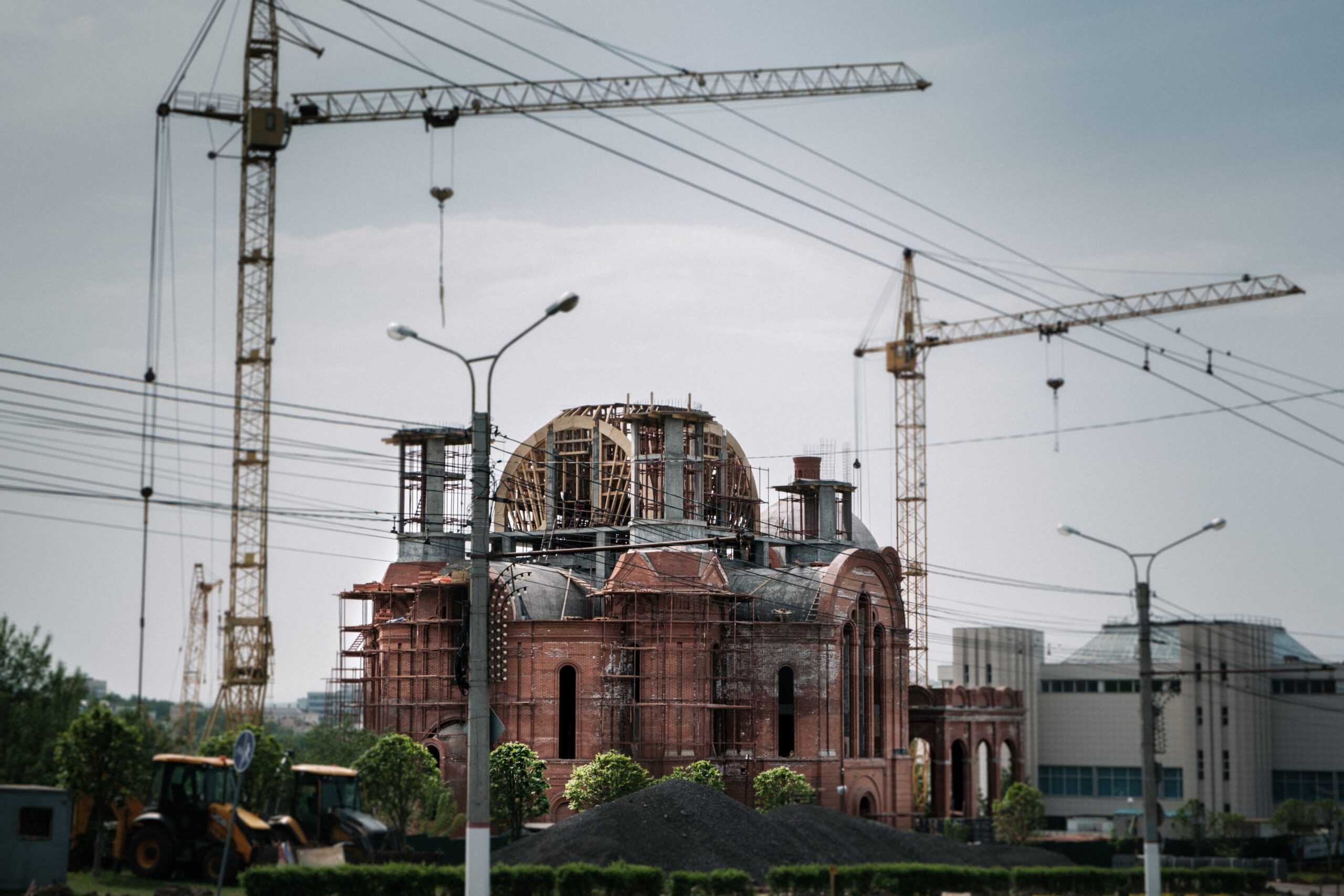
While the immediate rescue efforts dominate the narrative, the structural origins of the collapse are under scrutiny by city officials and engineering experts. City records indicate that demolition and construction work had been ongoing at the adjacent site for months. Blueprints for the neighboring project reveal plans for a mixed-use building featuring retail space, medical services, and residential apartments. Google Maps imagery and helicopter video confirm that the commercial building previously occupying the adjacent plot has been demolished, with rubble filling the construction pit next to the collapsed structure.
Glenn Corbett, a construction safety expert at John Jay College who has not investigated the specific site, provided context on the inherent risks of such proximity. “When you go and dig next to these kind of buildings, there’s always an issue of stability,” Corbett explained. He noted that retaining walls, or shores, used to support the perimeter of construction pits, can become a critical point of failure if not built to the required specifications. “What was it not built correctly with the size of the members, the wood panels not large enough was the… if there was steel involved, which I believe there was, was that not, was that not up to speed as far as what’s required?” he asked, outlining the technical parameters investigators will likely examine.
Regulatory records add another layer to the investigation. According to Department of Buildings records, a summons was issued in April for the construction site along Bedford Avenue. The company admitted to the violation and paid a $10,000 penalty, records show. It appears a stop-work order was violated but later resolved. However, WABC reported finding no building violations for the site of the 1321 Flatbush Avenue building itself. When contacted, the contractor who received the April summons stated that the company had carried out the demolition work but had left the job site by late April or early May. The contractor said they were not aware of any existing condition of the shores.
The investigation is now focused on determining whether the excavation work compromised the stability of the older, neighboring structure. Corbett emphasized the broader implications for the city: “They’ve got to find out why did that happen? And do we need to change the rules?” The inquiry seeks to establish a direct causal link between the adjacent construction activities and the collapse, a determination that will likely inform future safety regulations for urban development in dense neighborhoods.
As the rescue operation continues, the community remains in a state of shock, with residents and officials grappling with the unanswered questions surrounding the structural failure. The incident underscores the complex interplay between urban renewal, historical infrastructure, and construction safety, leaving the city to determine if and how existing standards must evolve to prevent similar tragedies.