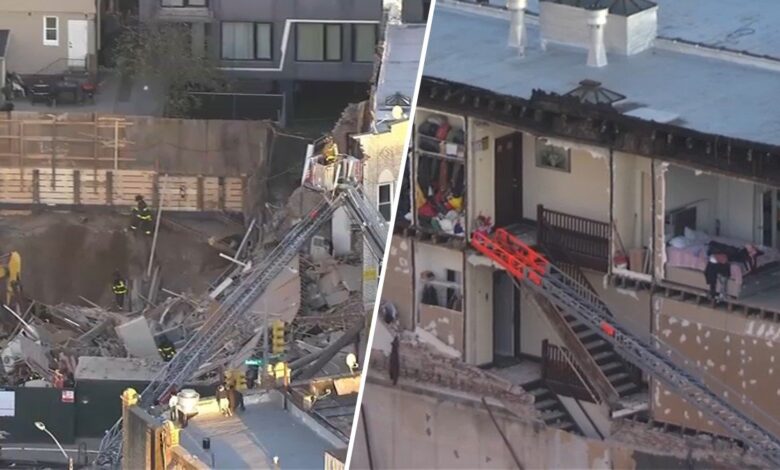
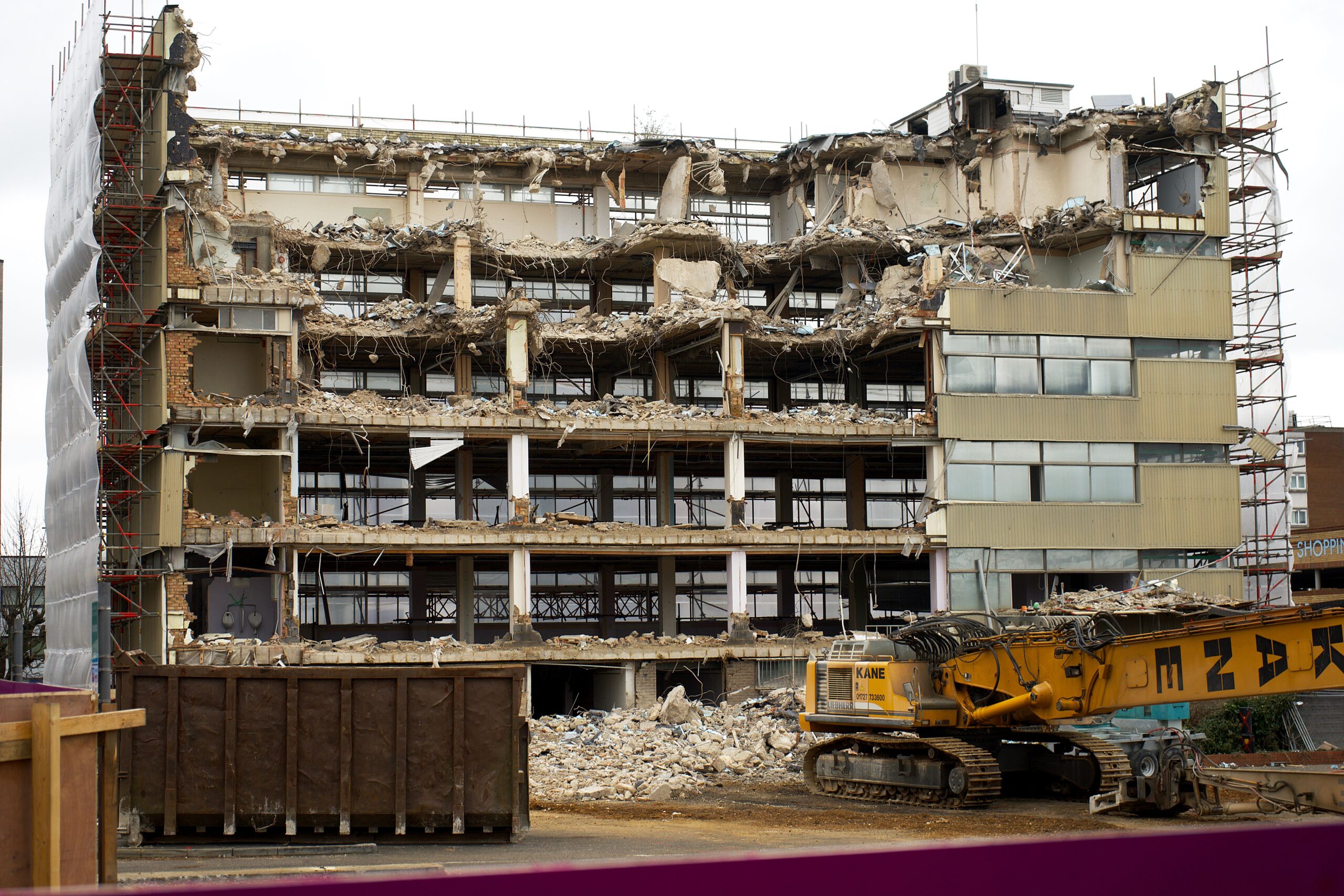
The collapsed structure, located at 1321 Flatbush Avenue, was a mixed-use building with residential apartments situated above ground-level businesses. It stood at the edge of a construction lot where a one-story building had previously been demolished. According to New York City Buildings Commissioner Ahmed Tigani, construction workers were actively performing excavation work adjacent to the structure at the time of the disaster. The building fell into the excavated pit, filling it with bricks, wood, and concrete. The impact was severe enough to shear a wall off an adjacent building, exposing a bedroom and closets filled with clothing, while the neighboring structure remained standing but suffered extensive damage.
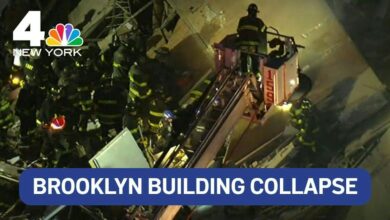
Emergency officials described the scene as “incredibly challenging and fast-moving,” characterized by precarious wreckage and dangerous voids beneath the surface. FDNY Commissioner Lillian Bonsignore and Department Chief John Esposito noted that the casualty count could change “by the minute” as the operation continues. By the time of their press conferences, two individuals had been confirmed dead, and at least 17 others were hospitalized, with four in critical condition. Among the injured were seven children and a firefighter who sustained minor injuries. The FDNY did not release the ages or identities of the deceased, though a man identified to NBC New York that his 26-year-old brother, Jose Luis Caguana, was killed in the collapse. Rescuers used K-9 units, pickaxes, and saws to comb through the unstable rubble. In one notable instance, firefighters extracted a dust-covered survivor from a hole dug into the debris pile, hoisting them onto a stretcher for immediate transport to an ambulance.
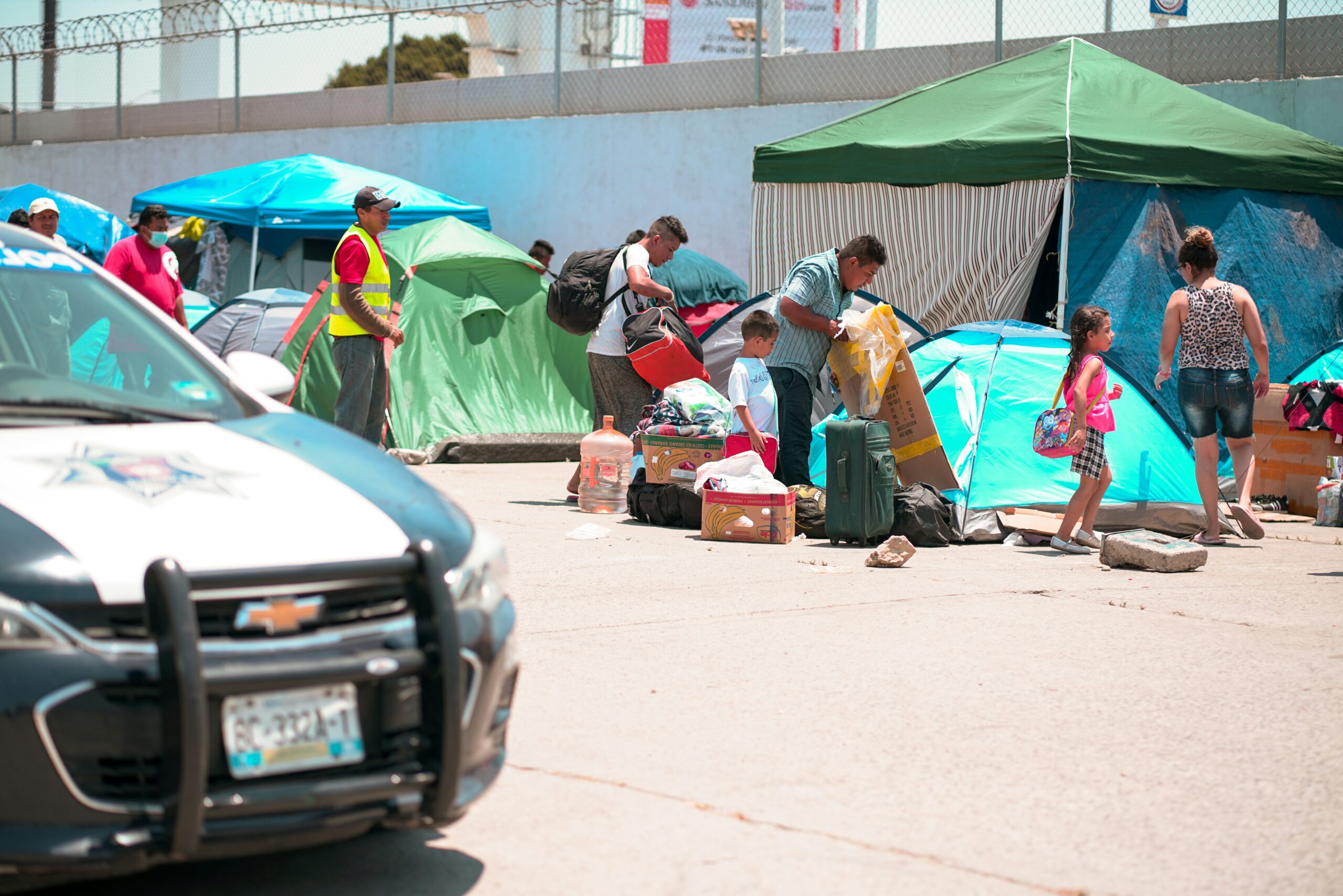
The human toll extended beyond immediate injuries to significant displacement. City officials reported that at least eight households were rendered homeless by the disaster. These residents, who lived either in the collapsed building or in the adjacent structure at 1323 Flatbush Avenue where the wall was torn away, were directed to the Flatbush YMCA. The facility served as a reception center where the American Red Cross registered displaced residents and provided resources, including mental health services. The buildings commissioner was seen entering the facility to address concerns from the affected families.
Witnesses provided harrowing accounts of the moments leading up to and following the collapse. Anthony Griggs, a local resident, stated that he heard two loud cracking sounds while walking home. He observed the corner of the building give way, emphasizing the suddenness of the event. “I thought the building was going to fall on me,” Griggs said, noting that he was struck by a few bricks but remained unharmed. Nearby workers and residents described the scene with visible shock. Marie Valcourt, who works in the area, compared the visual impact of the rubble to the aftermath of the September 11 attacks. A construction worker, present at the site since Monday, recorded videos shortly after the collapse while holding a small child he had picked up from the debris. He spoke to family members in Spanish, expressing concern for his injured co-workers and asking if everyone had been accounted for.
Investigations into the specific cause of the collapse are ongoing. While it was confirmed that excavation work was taking place next door, officials have not yet determined the precise engineering or mechanical failure that led to the structural collapse. The FDNY’s search-and-rescue operation, which requires navigating unstable piles of debris, is expected to take days. As the immediate danger of the unstable site is managed, the focus shifts to the long-term recovery of the displaced families and the resolution of the safety investigation. The intersection, now filled with emergency vehicles, remains a focal point for both the ongoing rescue efforts and the community’s shock over the loss of life and property.