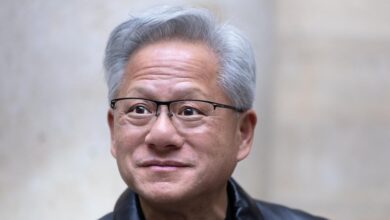
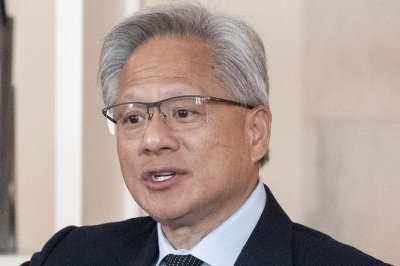
The news has rattled financial markets, with Nvidia shares plunging more than 7% in premarket trading Thursday to $160.50. The company has lost more than $427 billion in market capitalization over the first two trading sessions following the initial disclosures, with total losses exceeding $600 billion this week. The sell-off extended across the AI sector, dragging down Nasdaq 100 futures by 0.86% and S&P 500 futures by 0.4%, while rival firms like AMD and Broadcom saw modest gains. The market reaction reflects deep anxiety over leadership continuity at a company whose processors are central to global AI infrastructure expansion.
Analysts have rapidly reassessed their positions. Ben Reitzes of Melius Research, a longtime bull, downgraded Nvidia to “Hold,” slashing his price target from $315 to $185. He cited the geopolitical flashpoints and governance failures as unprecedented, comparing the situation to HP’s 2010 crisis but noting Nvidia’s faster market dynamics. Mark Lipacis of Morgan Stanley also downgraded the stock to “In Line,” cutting his target from $465 to $186. Other firms, including Baird and Bank of America, removed Nvidia from their preferred lists or downgraded ratings due to uncertainty surrounding Huang’s tenure and limited visibility into 2027 data center spending.
Nvidia’s bylaws allow the board to remove Huang “with or without cause” via a majority vote of its 11 independent directors, as Huang holds only about 3.6% of the company and lacks majority voting control. This structural difference distinguishes Nvidia from peers like Meta or SpaceX. While the board launched an independent investigation on Sunday into whether Huang was targeted by a foreign intelligence effort, it initially expressed confidence in his leadership and stated there was no reason to believe company secrets or national security were compromised. However, critics, including geopolitical analyst Steve Okun, described the situation as showing an “utter lack of appropriate governance.”
The situation has also drawn political attention, with Democratic senators demanding Nvidia records from the U.S. administration regarding the alleged Chinese spy ties. Meanwhile, Megaspeed stated it has cooperated with inspections by the U.S. Commerce Department’s Bureau of Industry and Security. Elon Musk commented on the potential vacancy, stating it would be an “honor” to hire Huang, though no official successor has been named. The board is reportedly working with an outside firm to identify potential replacements, with Reuters noting analysts see two likely candidates, though details remain unconfirmed.
As the board finalizes its decision, investors brace for a potential leadership shake-up that could impact Nvidia’s strategic direction in the AI chip market. The company has not yet made a public announcement regarding Huang’s future, leaving markets in a state of heightened volatility. The next critical step is the board’s formal vote, which could occur as soon as Thursday, potentially marking the end of an era for the world’s most valuable chipmaker.