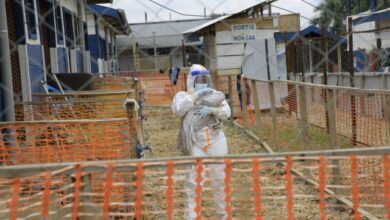
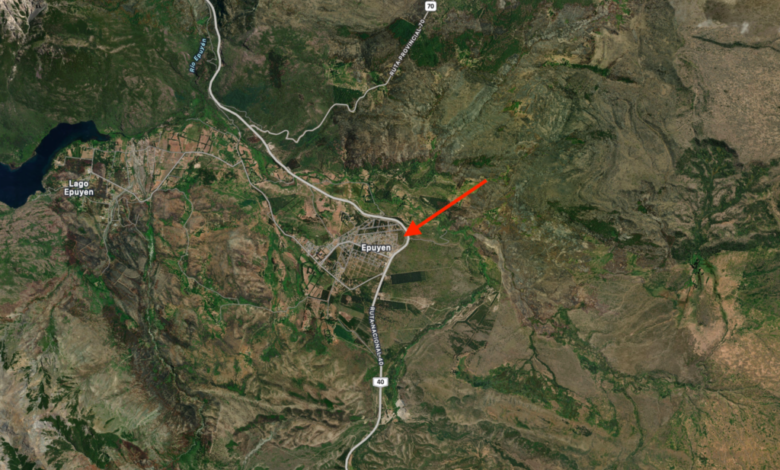
The geographic spread of the virus has shifted away from its traditional limits. While previous major outbreaks, such as the 2018–2019 incident in Epuyén, were confined to small rural communities in the Andes foothills, current data indicates that cases are now being detected in the Province of Buenos Aires. This is the largest and most populated province in Argentina. Health experts note that the virus is moving away from river basins and endemic areas into broader regions. In the 2018–2019 outbreak, 34 cases and 11 deaths were recorded in a town of 1,749 people, often linked to superspreader events. The current expansion into denser urban areas raises concerns about community transmission chains.
Scientists are currently examining the viral genome to assess whether the strain has mutated. In an interview with *El País*, hantavirus expert Gustavo Palacios stated that the pathogen is “more virulent” and capable of causing contagion chains. However, other researchers, including those cited by NPR, suggest that the virus has shown relatively low infectiousness and a lack of significant mutations so far. This stability is viewed as a positive factor for stopping the outbreak, though experts caution that anything is possible in infectious disease dynamics. The 2020 *New England Journal of Medicine* study on person-to-person transmission remains a key reference for understanding the virus’s behavior.

In response to the spread, Argentina has expanded its investigation by deploying teams to Mendoza to trap and test rats, the primary rodent reservoir for the virus. The Pan American Health Organization (PAHO) issued an epidemiological alert in December 2025, highlighting the region-wide concern. Additionally, the World Health Organization (WHO) has documented cases associated with cruise ship travel, indicating that international movement may be playing a role in the distribution of the virus. The current response relies heavily on the detailed surveillance data generated during the 2018–19 outbreak to guide containment strategies.
The next critical milestone in the response is the completion of genomic sequencing to confirm the absence of significant viral mutations and the results of the rodent trapping operations in Mendoza. These data points will determine whether current containment measures remain sufficient or if stricter public health interventions are required in the Buenos Aires province and other non-endemic areas.