
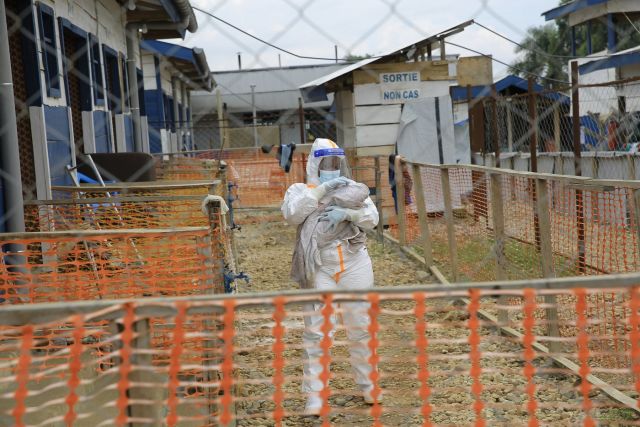
In the context of international infectious disease management, an outbreak of this magnitude signals a profound strain on local and national resources. The term “Ebola” refers to a group of viruses that cause severe and often fatal hemorrhagic fever in humans and other primates. The confirmation of over 11,000 cases indicates that the virus has found sustained chains of transmission within the community. For the health systems in the affected regions, this means that isolation units, testing laboratories, and treatment centers are operating under continuous, high-capacity pressure. The government’s announcement of this milestone is not just a report of numbers but an acknowledgment of the operational burden placed on clinicians and public health workers who are on the front lines of containment.
The significance of reaching the 11,000-case threshold lies in what it reveals about the trajectory of the disease. In epidemiological terms, such a high case count suggests that the basic reproduction number (R0) has remained above one for a significant period, meaning each infected person is, on average, transmitting the virus to more than one other person. This sustained spread makes containment exponentially more difficult as the pool of potential contacts grows. The “relentless spread” mentioned in official communications reflects the reality that the virus is not being easily contained by existing interventions. This places a heavy burden on the affected populations, who must navigate a healthcare system that is simultaneously trying to diagnose new cases, treat the sick, and prevent further transmission in communities where the virus is circulating.
It is crucial to distinguish the verified data from the broader narrative of suffering. While the 11,042 figure is a definitive count of infections, it does not capture the full spectrum of the outbreak’s impact, which may include unreported cases, the psychological toll on communities, and the disruption of essential services. However, the availability of such precise data from the government is a positive sign of transparency in public health reporting. It allows international partners, researchers, and health authorities to track the outbreak’s progression and allocate resources accordingly. The data serves as the foundation for evidence-based decision-making, guiding where testing efforts should be intensified and where quarantine measures need to be reinforced.
The response to an outbreak of this scale requires a multi-faceted approach. Clinicians are tasked with providing supportive care to patients, as there is no specific cure for Ebola, though treatment can help manage symptoms and improve survival rates. Public health teams are engaged in contact tracing, a labor-intensive process that involves identifying and monitoring everyone who has had contact with a confirmed case to break the chain of transmission. This work is often conducted in difficult conditions, requiring trust and cooperation from the local population. The government’s role is to coordinate these efforts, ensuring that supply chains for medical personnel are maintained and that information is communicated clearly to the public to prevent panic and encourage compliance with health guidelines.

The strength of the current evidence is rooted in the consistent reporting by the health ministry. By providing a specific, updated number, the government is anchoring the public health response in verifiable facts. This transparency is essential for maintaining credibility and trust, which are vital for the success of any outbreak control strategy. However, the high number of cases also highlights the limitations of the current response. It suggests that while efforts are being made, they have not yet been sufficient to halt the spread. This is a common challenge in complex emergencies where health infrastructure is already fragile and social, economic, and political factors can hinder disease control measures.
Looking ahead, the focus of the medical and public health community will remain on reducing the case count and preventing further spread. This will require sustained investment in testing, treatment, and community engagement. The next verified development will likely be a further update on the case numbers, which will indicate whether the outbreak is beginning to plateau or if it is still accelerating. In the meantime, the figure of 11,042 serves as a somber reminder of the ongoing crisis. It is a testament to the resilience of the health workers and the affected communities, who are grappling with a deadly disease while striving to maintain normalcy. The path forward requires continued vigilance, international support, and a commitment to evidence-based interventions that can finally break the cycle of transmission.