The incident, which occurred while Hegseth was visited the tomb alongside his wife, chief of staff Ricky Buria, deputy chief of staff Patrick Weaver, and senior adviser Tami Radabaugh, has since become a focal point for discussions on military standards versus political performance. On Thursday, Hegseth responded to the confrontation not with criticism, but with formal recognition. In a social media post accompanied by photos of the two men, the defense secretary wrote: “We love soldiers. We love standards. Well done, Specialist. Carry on Patriots.”
The Pentagon subsequently confirmed that Hegseth hosted members of the 3rd Infantry Regiment at the Pentagon, where he awarded Iglesias a Joint Service Commendation Medal. A Pentagon official told CNN that the medal was given “for the execution of his duties at the Tomb of the unknown Soldier on November 11, 2026.” The award is typically granted to members of the US armed forces who distinguish themselves through meritorious achievement or service in specified activities, according to the Air Force’s personnel center.
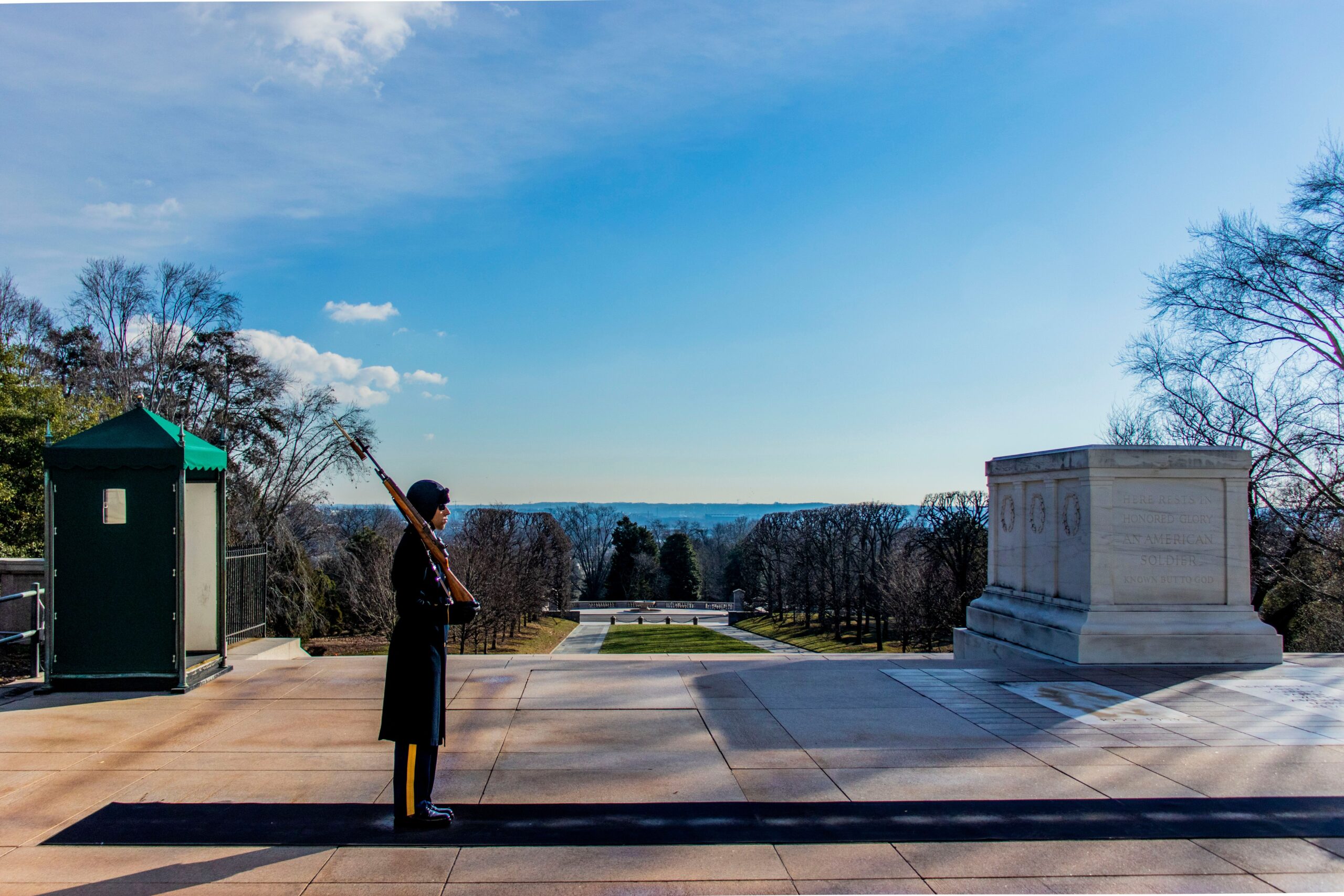
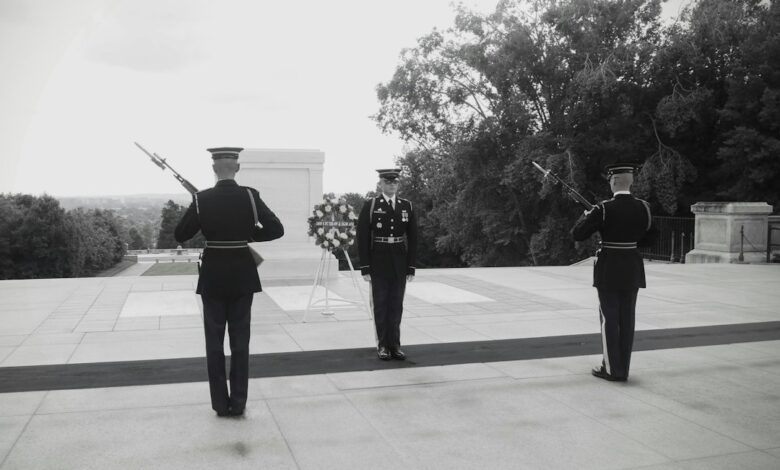
The timing of the commendation is significant, arriving just one day after the initial confrontation. The Veterans Day ceremony at Arlington was a major political event, attended by President Donald Trump and Vice President JD Vance. Both leaders laid wreaths at the memorial and delivered remarks. During his speech, Trump publicly praised Hegseth, stating that the defense secretary had done a “fantastic job” in his role. This public endorsement occurred in the same setting where Hegseth’s staff were later observed laughing and talking, conduct that Iglesias deemed a violation of the strict protocols governing the site.
The Tomb of the Unknown Soldier, marking the final resting place of an unidentified soldier killed in the First World War, has been under constant watch by the Old Guard since 1948. The regiment’s responsibilities include enforcing a strict atmosphere of silence and respect, a tradition that predates the current political administration. Chief Pentagon Spokesman Sean Parnell addressed the incident in a statement that emphasized the department’s commitment to these traditions. “The secretary and the entire department have always honored – and will always honor – the sacrifices our military men and women have made to keep America safe,” Parnell said. He noted that the tomb is one of the most sacred war memorials in the country and that correcting visitors whose behavior disrupts the solemn atmosphere is a core part of the soldiers’ duties.
By awarding the medal, Hegseth appears to be leveraging the incident to reinforce a narrative of discipline and respect for military tradition, while simultaneously navigating the optics of a political visit that drew attention to informal behavior. The decision transforms a potential embarrassment regarding the conduct of the defense secretary’s entourage into a demonstration of institutional integrity. It signals to the military that adherence to protocol, even when it involves reprimanding senior civilian leadership, is valued and protected.
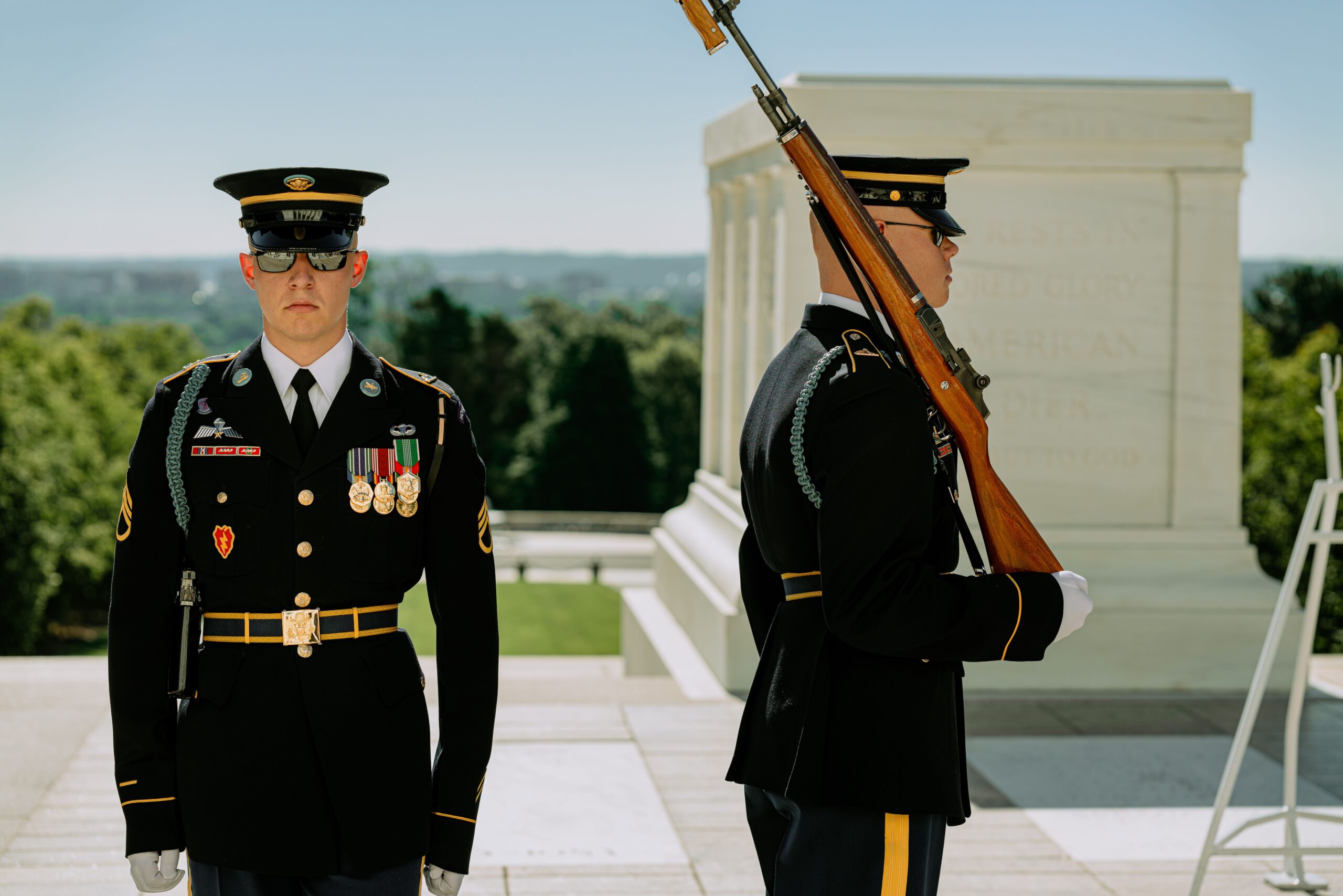
However, the episode also underscores the complex intersection of political visibility and military solemnity. The presence of the president and vice president typically elevates the security and procedural rigor of such visits, yet the incident suggests that standard operational procedures can still come into conflict with political expectations. For the Old Guard, the incident reaffirms their role as custodians of a space that exists outside the immediate sphere of political performance. The award to Iglesias serves as a formal acknowledgment that this custodial role remains central to military identity, regardless of the rank or political status of the visitors present.
As the political cycle continues, the image of Hegseth standing with Iglesias, the soldier who stopped him, will likely be cited in debates over the relationship between the civilian leadership and the military establishment. The development moves from a specific moment of friction at the cemetery to a broader statement about the values the current administration seeks to project. The next test for these standards will likely come in future high-profile visits, where the balance between political engagement and military protocol will again be scrutinized.