
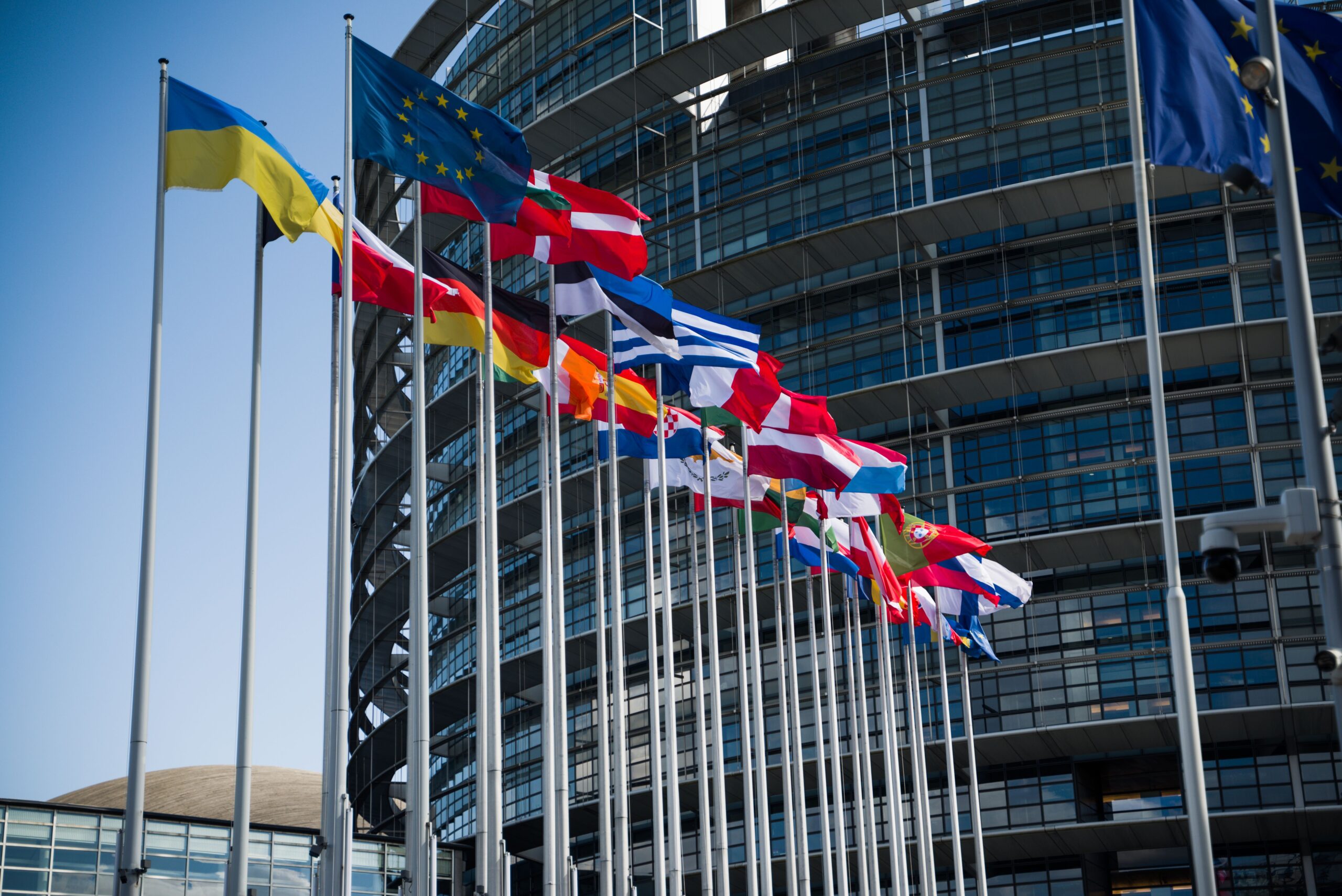
The decision to include European delegates addresses a long-standing grievance in Kyiv and Brussels. Zelensky, who has consistently argued that Europe cannot be excluded from decisions affecting its own security, stated that the continent’s participation is essential. “We cannot conclude this deal without Europeans being at the table,” Kushner told reporters, noting that Putin was “willing to give it a try.” This inclusion is not merely symbolic; it reflects the geopolitical reality that the war has “fundamentally reshaped” the security landscape of the continent, as Irish Taoiseach Micheál Martin described during the European Political Community summit held concurrently in Dublin.
The diplomatic movement comes against a backdrop of deepening strategic tensions. While the US and Russia engaged in talks in Moscow, the Kremlin’s position on core issues remained rigid. Putin reiterated that Russia’s demand for territory and Ukraine’s neutrality has not shifted, describing the “line of the state border” as the only acceptable demarcation. This hardline stance stands in stark contrast to the more conciliatory tone regarding procedural changes, such as the inclusion of European observers. The previous round of talks in Abu Dhabi, which focused on post-war security arrangements, failed to produce a breakthrough on these substantive issues, leaving the prospect of a comprehensive peace agreement distant.
Compounding the diplomatic friction is a critical operational issue affecting the battlefield: the status of Starshield, the military-grade satellite communications network operated by Elon Musk’s SpaceX. On Thursday, Zelensky announced that Ukrainian units were experiencing “systematic restrictions” and speed throttling on the network. He described the disruptions as “significant” and noted they had persisted for several days, impairing Ukraine’s ability to intercept Russian jet-powered drones. “Unfortunately, this is helping the Russians kill more Ukrainians and carry out more accurate strikes against Ukraine,” Zelensky wrote in an online post.
The disruption of this communication infrastructure highlights the complex intersection of technology, war, and political leverage. The Wall Street Journal reported that Musk had capped the speeds for Ukrainian hardware, a move both he and President Trump initially denied before Trump claimed the issue had been resolved. Zelensky, however, maintained that the problems were ongoing and not “random errors.” This incident underscores the vulnerability of Ukraine’s military logistics to external political pressures, raising questions about the reliability of allied support systems during critical phases of negotiation.
Despite the impasse on territory, there were tangible, if limited, humanitarian gains. Kushner announced that the US was working toward what he termed the “largest prisoner exchange of the war,” potentially reuniting “thousands of people with their families.” While specific numbers and timelines were not disclosed, this agreement represents a rare point of cooperation between the belligerents. It stands in contrast to the broader strategic deadlock, where leaked records from Russia’s state statistics agency, Rosstat, suggest that nearly half a million Russian soldiers may have been killed in the conflict, a human and economic cost that continues to mount.

The inclusion of Europe in the talks is also driven by the continent’s own security calculations. Leaders from more than 40 European countries gathered in Dublin to discuss the war’s impact, with Canadian Prime Minister Mark Carney and NATO Secretary-General Mark Rutte also in attendance. Kaja Kallas, Vice President of the European Commission, noted that the Kremlin’s acceptance of European delegates signaled a realization that “Europe is a big player.” However, she expressed doubt that this procedural change indicated genuine Russian momentum toward a peace deal.
The next phase of these negotiations will likely be tested by two key factors: the extent of European involvement in the actual decision-making process, and the resolution of the Starshield communications issue. For now, the diplomatic focus remains on maintaining a channel of communication, even as the front lines remain static and the costs of the war continue to escalate. The coming weeks will determine whether the inclusion of European voices leads to substantive progress or remains a peripheral element in a negotiation dominated by the divergent positions of Moscow, Kyiv, and Washington.