
The scandal centers on Huang’s relationship with an executive at Megaspeed, a Singapore-based company. According to reports, Megaspeed purchased over $4.8 billion worth of advanced Nvidia AI chips over the past two years. U.S. intelligence officials have identified the woman in this relationship as a suspected spy for China. In addition to this, a separate report by the New York Times detailed another affair between Huang and a senior subordinate at Nvidia. These revelations led directly to his resignation, which was confirmed by the company on Thursday.
The personal scandal has intersected with intense political scrutiny over U.S. export controls. Lawmakers are now questioning whether the Department of Commerce did enough to restrict the supply of sensitive AI chips to Chinese entities, potentially threatening U.S. national security. The focus has shifted sharply to Howard Lutnick, the U.S. Commerce Secretary, whose department oversees these export regulations.
Senator Tim Scott, the Republican chairman of the Senate Banking Committee, has summoned both Huang and Lutnick to testify. In a social media post, Scott stated that recent reports “raise serious concerns about our national security and the protection of sensitive U.S. technology.” He demanded that the American people receive answers, warning that the committee was prepared to issue subpoenas if the individuals failed to appear voluntarily. Huang has been given until 8 p.m. EST on Friday to confirm his cooperation with a request from the House Committees on Foreign Affairs, Intelligence, and China for a closed-door, transcribed interview scheduled for December 1.
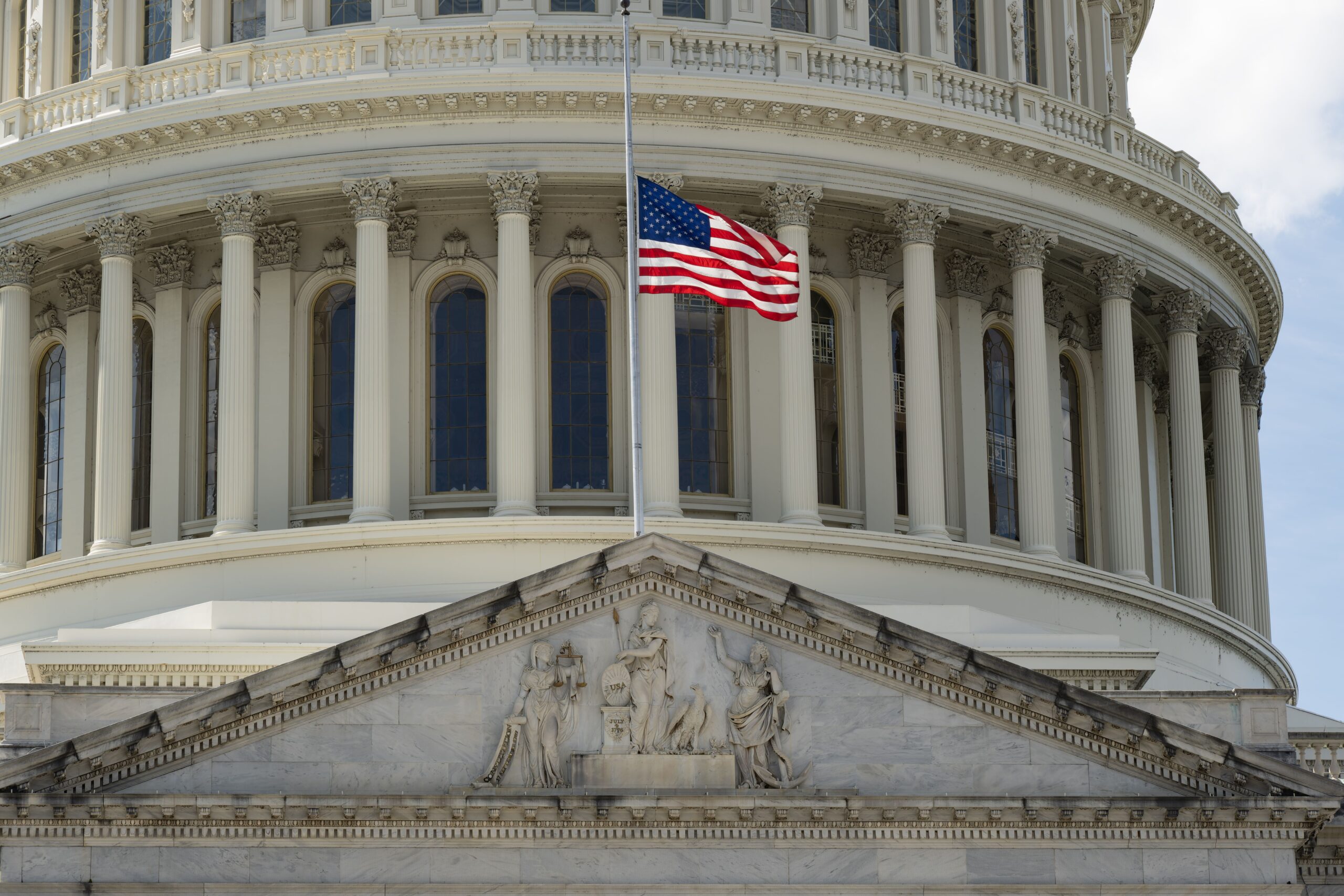
Commerce Secretary Lutnick has proactively agreed to appear voluntarily before the Senate Banking Committee. A spokesperson for Lutnick, Kristen Eichamer, confirmed to NBC News that he would address questions regarding the Department of Commerce’s role in the recent public reports about Nvidia. Lutnick’s testimony is scheduled for December 10, while Huang’s is set for December 3. The letters sent to both officials specifically cite “significant national security concerns” arising from the alleged relationship and the broader context of chip sales.
Criticism of the Commerce Department’s approach has come from both sides of the aisle. Senator Jim Banks, a Republican, has been particularly scathing, stating on Fox News that Lutnick “appears to have used loopholes to allow some of these chip sales to occur.” Similarly, Senator Elizabeth Warren, a Democrat who is set to chair the Senate Banking Committee in January, argued that Lutnick and Under Secretary Jeffrey Kessler must explain why they have not closed export control loopholes. In a joint letter with incoming Senate Foreign Relations Chair Chris Coons, Warren called for action to ensure advanced technology is not fueling China’s military capabilities.
The technical implications of the scandal revolve around the strictness of U.S. export controls on high-performance AI accelerators. Nvidia’s chips are central to training large language models and other advanced AI applications, making them critical assets in the geopolitical competition between the United States and China. The purchase of $4.8 billion in chips by Megaspeed, a Singapore-based entity, has raised questions about whether these components were diverted to Chinese state actors or military programs despite existing restrictions. The investigation will likely scrutinize the specific licensing approvals granted by the Commerce Department for these transactions.

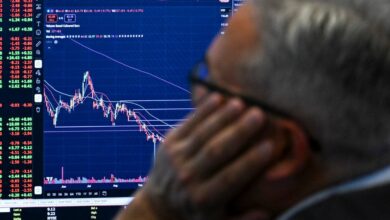
For Nvidia, the resignation of its long-time CEO introduces significant uncertainty regarding the company’s strategic direction. While the company has not yet named a successor, the abrupt nature of the departure and the ongoing congressional scrutiny present a dual challenge: managing internal leadership transition while navigating external regulatory pressure. The market’s reaction, marked by a 4.3% drop in share price, reflects investor concern over potential legal liabilities, compliance failures, and the reputational damage to a company that is a cornerstone of the global AI infrastructure.
As the congressional hearings approach, the focus will remain on the intersection of personal conduct and national security policy. The upcoming testimony by Huang and Lutnick is expected to clarify whether any specific export control violations occurred and whether the Department of Commerce’s oversight mechanisms were adequate. Until then, the tech industry and policymakers await further developments in what has become one of the most high-profile corporate scandals to intersect with U.S. foreign policy in recent years.