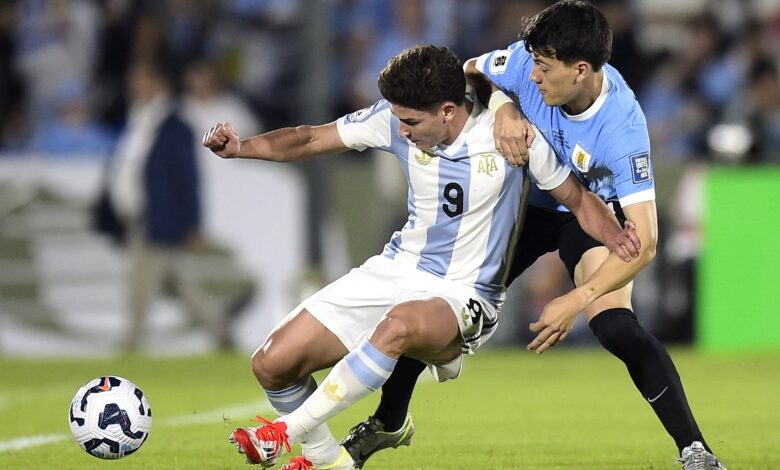
The Rio de la Plata Derby, a rivalry spanning over a century, delivered a decisive result for the visitors. Uruguay, managed by Diego Forlán and deployed in a 4-4-1-1 formation, outperformed Argentina, who stuck to their 4-3-3 setup. The final scoreline of 2-1 in favor of Uruguay underscores the competitive resilience of the Celeste even as they face their traditional rivals in a transitional period.
For Argentina, the match was complicated by significant absences. In addition to Lionel Messi, who is no longer part of the senior squad, the team was without striker Lautaro Martínez and center-back Cristian Romero. These omissions forced Scaloni to rely on a younger contingent, including Enzo Fernández, Julián Álvarez, and Lisandro Martínez, who featured prominently in the attacking efforts.
The latter stages of the match were marked by Argentina’s attempts to overturn the deficit. With the scoreline sitting at 1-2 in Uruguay’s favor, the home side pressed for an equalizer in the added time. The fourth official announced five minutes of stoppage play, during which Argentina created several dangerous opportunities.
Julián Álvarez provided the most significant threat, launching a right-footed shot from outside the box that was saved in the bottom right corner by Uruguay’s goalkeeper, Cristopher Fiermarín. The effort was assisted by Lisandro Martínez, highlighting the continued chemistry between the two players despite the broader squad changes. Earlier in the stoppage time, Enzo Fernández also tested the Uruguay defense with a right-footed shot from outside the area, though it was blocked. Matías Soulé also contributed to the attacking pressure with a left-footed effort from outside the box, which was also blocked.
Uruguay’s defensive solidity was further highlighted by the performance of their backline, with Guillermo Varela and Federico Viñas involved in key moments. A foul by Agustín Giay of Argentina against Viñas resulted in a free kick for Uruguay, while a late substitution saw Facundo Pellistri replace Maxi Araújo on the Uruguayan side. On the Argentine side, Agustín Giay was shown a yellow card for a bad foul, and substitutions for Román Vega and Agustín Giay (replacing Facundo Medina and Gonzalo Montiel respectively) were made in the closing minutes.
The tactical battle saw Uruguay’s 4-4-1-1 shape effectively neutralize Argentina’s front three, forcing the home side to rely on long-range efforts and individual brilliance to break down the defense. The absence of Messi has undeniably altered the dynamics of the Argentine attack, and this result serves as a clear indicator of the challenges Scaloni faces in rebuilding the team’s identity around new leadership figures.
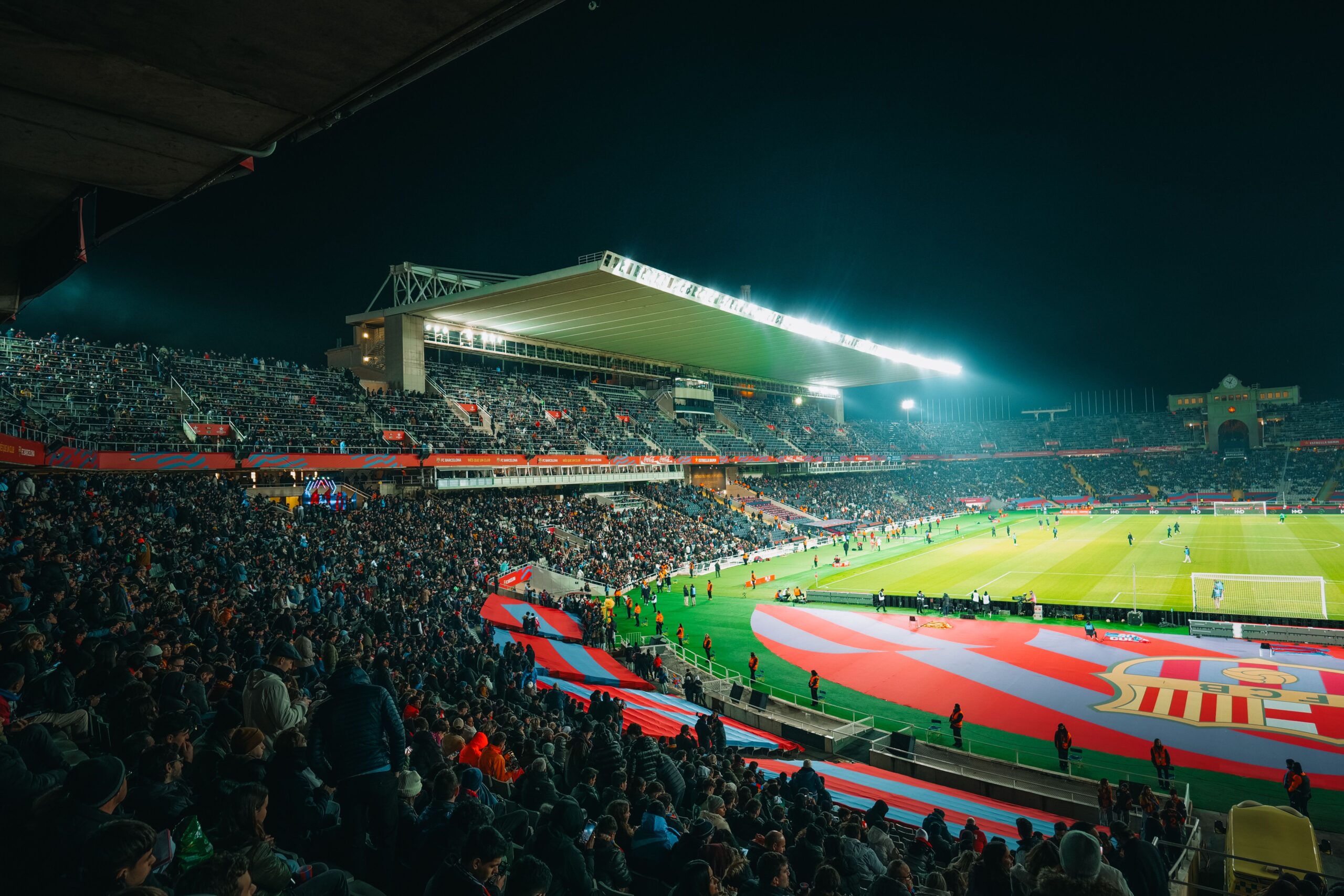
The match concluded with the final whistle confirming Uruguay’s 2-1 win, a result that will be analyzed extensively by Argentine coaching staff as they prepare for future fixtures. The resilience shown by Uruguay in a hostile environment at La Bombonera adds a layer of complexity to their upcoming schedule, while Argentina must now focus on consolidating their new core players in the absence of their former talisman.
This defeat marks a pivotal moment in the post-Messi era for Argentina, with the next official competitive fixture set to test the squad’s depth and tactical adaptability further. The performance of players like Enzo Fernández and Julián Álvarez will be scrutinized as they step into more prominent roles within the national setup.