The day is a public holiday, meaning it is a day off from work and school. However, unlike Sept. 28 (St. Wenceslas Day) or Oct. 28 (Independent Czechoslovak State Day), Nov. 17 is not included in the list of holidays requiring large retail outlets to close. According to Acts 245/2000 Sb. and 223/2016 Sb., stores larger than 200 square meters are legally permitted to operate on this date. Consequently, supermarkets, shopping centers, and general stores are expected to remain open, although individual businesses may adjust hours at their discretion. Pharmacies, gas stations, and delivery services operate as normal.
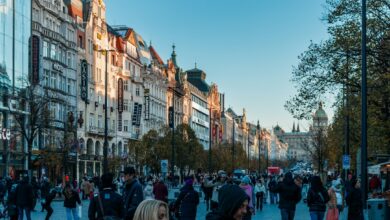
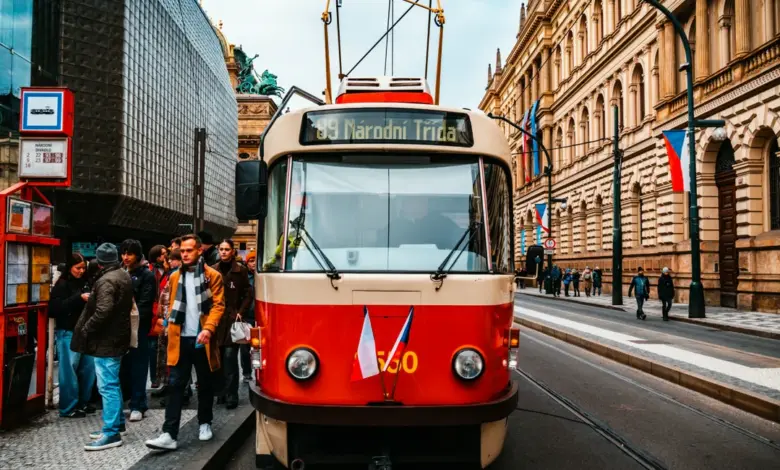
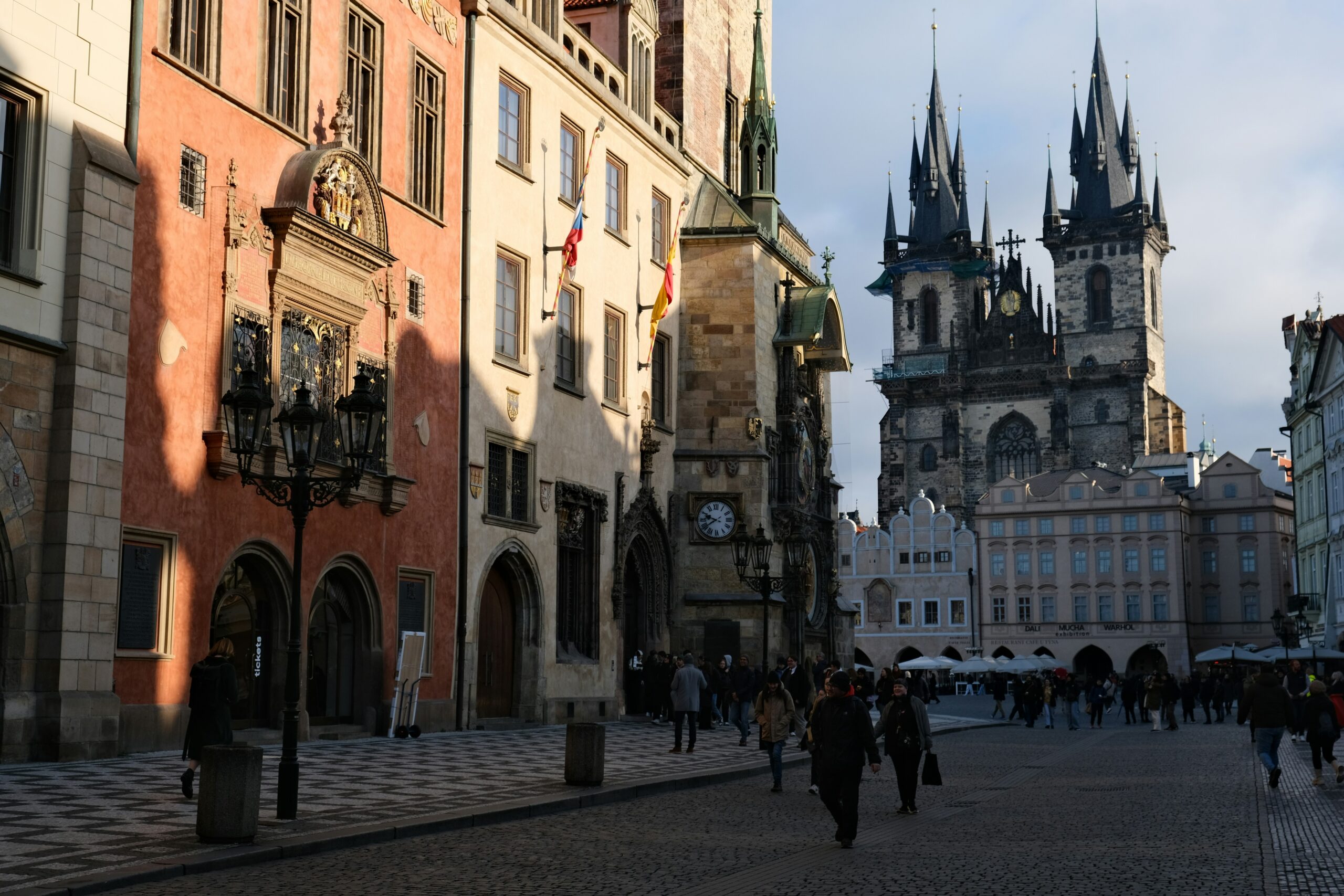
In Prague, the holiday is marked by the annual Korzo Národní event on Národní třída (Wenceslas Square). The main programme runs from 10:00 to 20:00. This day-long celebration typically includes concerts, debates, theater performances, and exhibitions. In 2026, the event features a specific concert titled “Koncert pro budoucnost” starting at 16:30 on Wenceslas Square. Public transport is affected by the festivities; Prague’s Integrated Transport (PID) network usually operates on Sunday timetables for public holidays. Tram services, particularly in the Újezd–Lazarská section bordering Prague 1 and Prague 2, may be temporarily suspended or diverted due to street closures for the commemorative procession.
The historical significance of the date is rooted in the events of 1939. On Oct. 28, 1939, the anniversary of Czechoslovakia’s founding, students demonstrated against the Nazi occupation. Medical student Jan Opletal was shot during these protests and died on Nov. 11. His funeral on Nov. 15 became a further demonstration, prompting the German occupiers to occupy student halls in the night before Nov. 17. That day, the Nazis closed Czech universities, executed nine student representatives at the Ruzyně barracks, and sent approximately 1,200 students to the Sachsenhausen concentration camp. In 1941, the date was designated International Students’ Day in London.
Fifty years later, on Nov. 17, 1989, police violently dispersed a student march on Národní třída. The crackdown sparked widespread outrage, leading to strikes by students and theater workers, and massive demonstrations that culminated in the Velvet Revolution. The Civic Forum was founded two days later, with Václav Havel as its informal leader. The communist regime collapsed without loss of life, and the parliament removed the Communist Party’s constitutionally guaranteed leading role on Nov. 29, 1989. Havel was elected president on Dec. 29, 1989.
Cultural institutions in Prague typically offer free admission on this day. While specific 2026 schedules for all museums are not fully detailed in the provided sources, past years have seen the National Museum and National Gallery waive entrance fees. In 2025, for instance, the National Gallery offered free tours at five locations, and the National Museum provided free access to its main building and branches, with the exception of the Children’s Museum which offered a discounted rate. Visitors should verify specific opening hours and admission policies for 2026 directly with the institutions, as schedules can vary.