
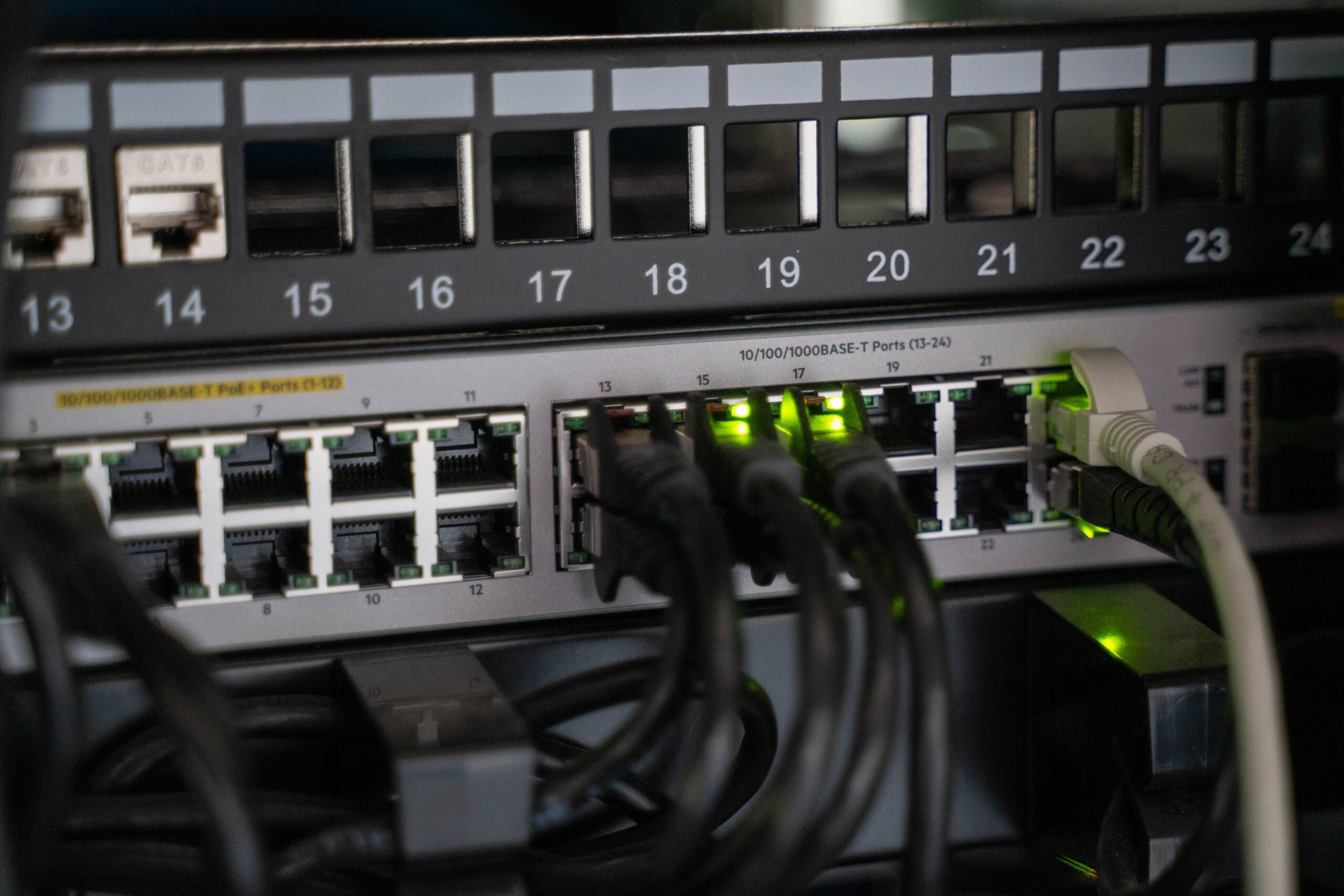
During a press conference, Duffy specified that the incident was triggered by a router overload within the Federal Aviation Administration’s (FAA) telecommunications infrastructure. He explained that the deployment of new equipment had overwhelmed the existing framework, leading to the system failure that forced air traffic controllers to implement a ground stop.
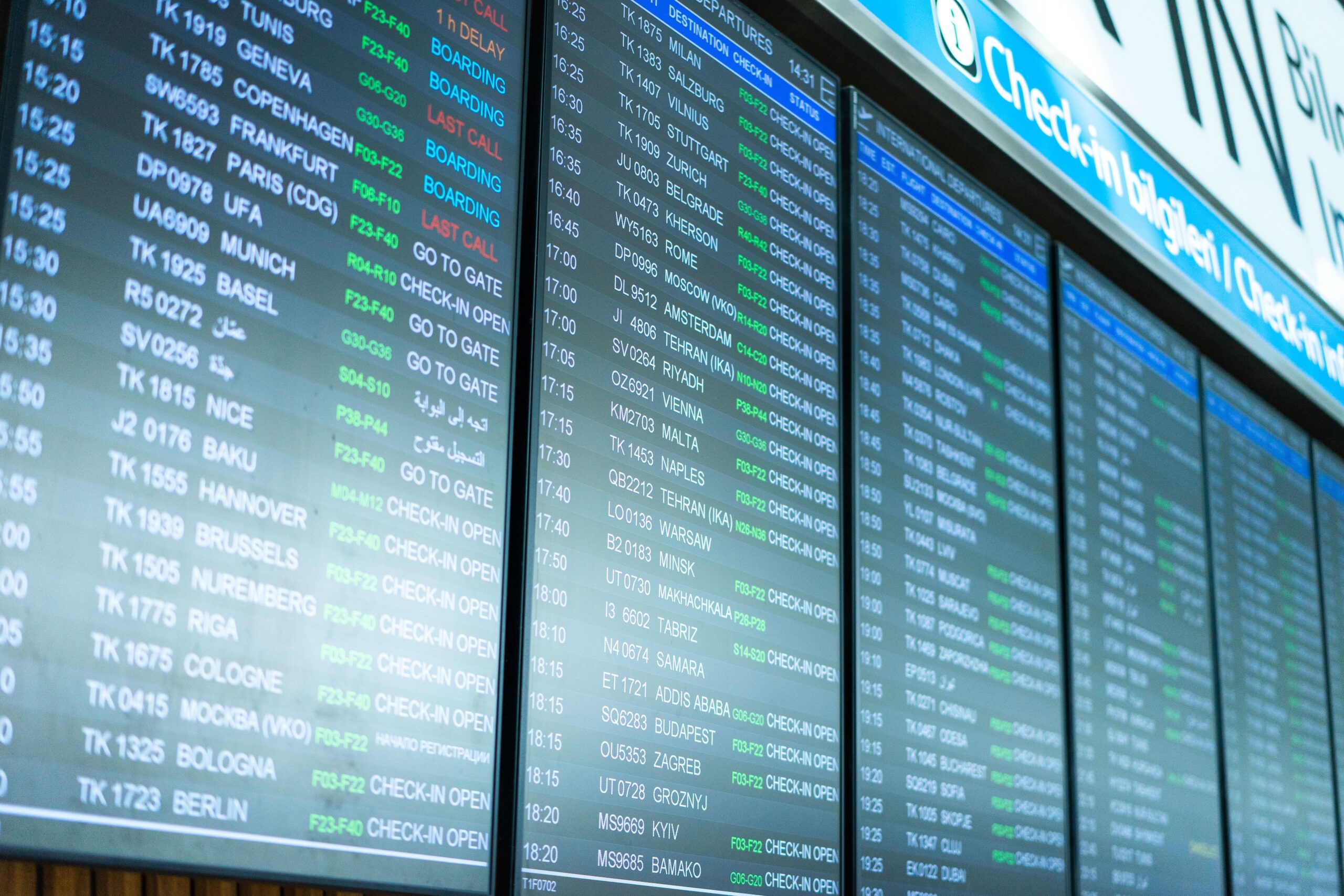
The technical failure resulted in the cancellation of thousands of flights on Saturday after the ground stop was lifted, leaving travelers stranded and causing significant logistical disruptions across the country. Duffy described the situation as critical, emphasizing the immediate need for structural changes to prevent recurrence.
Homeland Security Secretary Markwayne Mullin reinforced Duffy’s assessment, calling for a “complete overhaul” of the FAA’s technology systems. Mullin cited the incompatibility between the new hardware and the legacy software framework as the primary reason for the collapse. The officials’ statements align with reporting from The Wall Street Journal, which identified the root cause as a router overload in Arkansas that subsequently triggered the nationwide grounding.
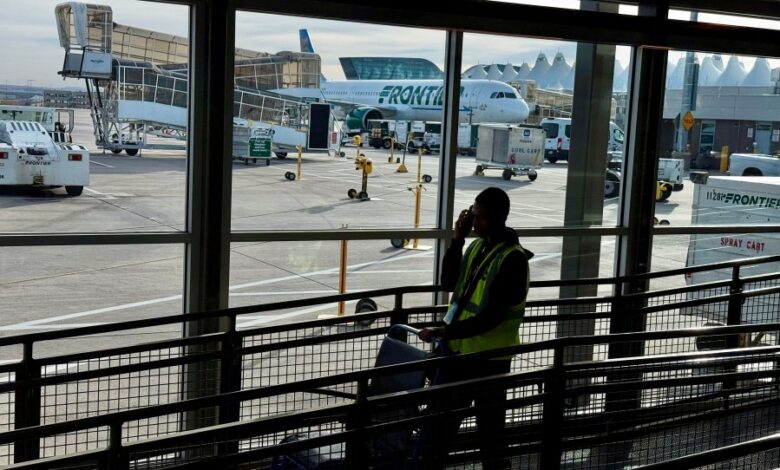
While Duffy provided a technical explanation for the outage, the broader context of the disruption was complicated by concurrent security incidents at major hubs. In Denver, police arrested a man near the airport’s west security area after he allegedly attempted to breach the secure zone. Similar security issues were reported in Dallas, which aggravated the chaos among ground staff and travelers already coping with the sudden cessation of flights.
The incident has sparked a broader debate regarding the resilience of US aviation infrastructure. In response to the crisis, Duffy has requested $50 billion from Congress, according to reports by CNN’s Kaitlan Collins. This funding request is intended to address the aging technology that contributed to the failure, though no specific timeline for the upgrade was provided during the briefing.
President Donald Trump has remained largely silent on the specific aviation crisis since the ground stop was initiated, although he has continued to post on his social media platform Truth Social. Duffy confirmed that he had spoken to the president by phone regarding the situation.
The official response came at a time of high visibility, as the Department of Transportation’s news briefing itself was disrupted by technical difficulties. Duffy paused mid-speech due to microphone feedback, a moment he acknowledged with the remark, “This is our kind of, um, day.” Despite the disruption to the briefing, Duffy extended gratitude to air traffic controllers for their performance during the emergency.
The incident highlights the fragility of the interconnected systems that govern US air travel. While the immediate cause has been identified as a hardware-software mismatch rather than a malicious external attack, the consequence was a total paralysis of the national airspace. The distinction between a security breach and a system overload is significant for regulatory and insurance purposes, but for the thousands of affected passengers, the outcome was identical: a complete halt in travel.
As the FAA works to restore confidence in its systems, the focus now shifts to the long-term modernization of its telecommunications network. The $50 billion request underscores the scale of the investment required to bring the infrastructure in line with current operational demands. Until these upgrades are implemented, the risk of similar technical failures remains a concern for airlines, regulators, and the public.



One Comment