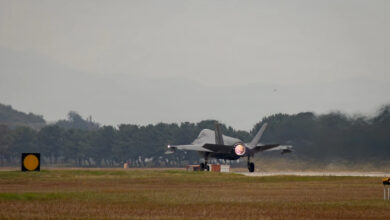
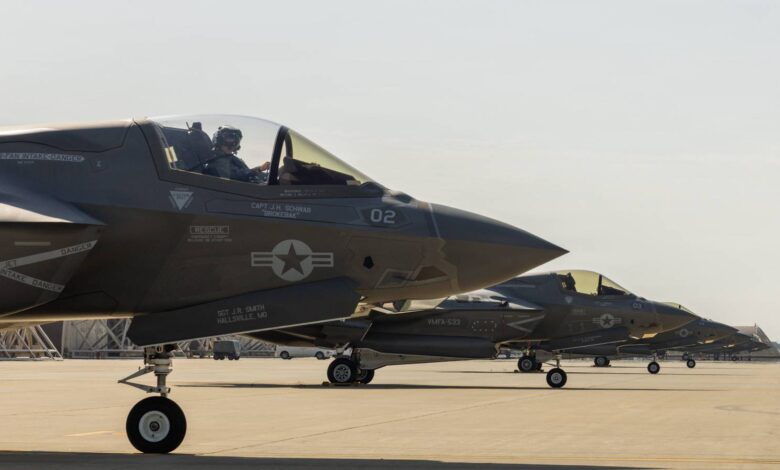
The Government Accountability Office (GAO) has released a report highlighting critical failures in the Department of Defense’s ability to track F-35 spare parts. The audit found that the Pentagon cannot accurately account for a shared pool of 26 million parts valued at approximately $31 billion, dispersed across more than 700 government and contractor facilities worldwide. Specifically, the F-35 Joint Program Office (JPO) failed to record roughly 17,000 maintenance-bound components in its property system. While the GAO valued these unrecorded items at approximately $1.3 billion, Pentagon officials indicated the figure could reach up to $2.5 billion.
These tracking failures are not merely administrative oversights; they directly correlate with a decline in operational readiness. Data from fiscal year 2025 indicates that only 25% of F-35s were fully mission capable, a significant drop from 38% in 2021. Other sources cite a readiness figure of 44%, suggesting ongoing volatility in the fleet’s availability. The GAO noted that records are often outdated, incomplete, and inaccurate, making it difficult for analysts to locate components or verify their status in real time. The program office’s records lag behind actual conditions by months because US defense systems lack real-time integration with prime contractors Lockheed Martin and Pratt & Whitney. Furthermore, the GAO found that the DoD routinely approves loss adjustments without investigating root causes, a practice that obscures whether parts are lost to waste, fraud, or theft.
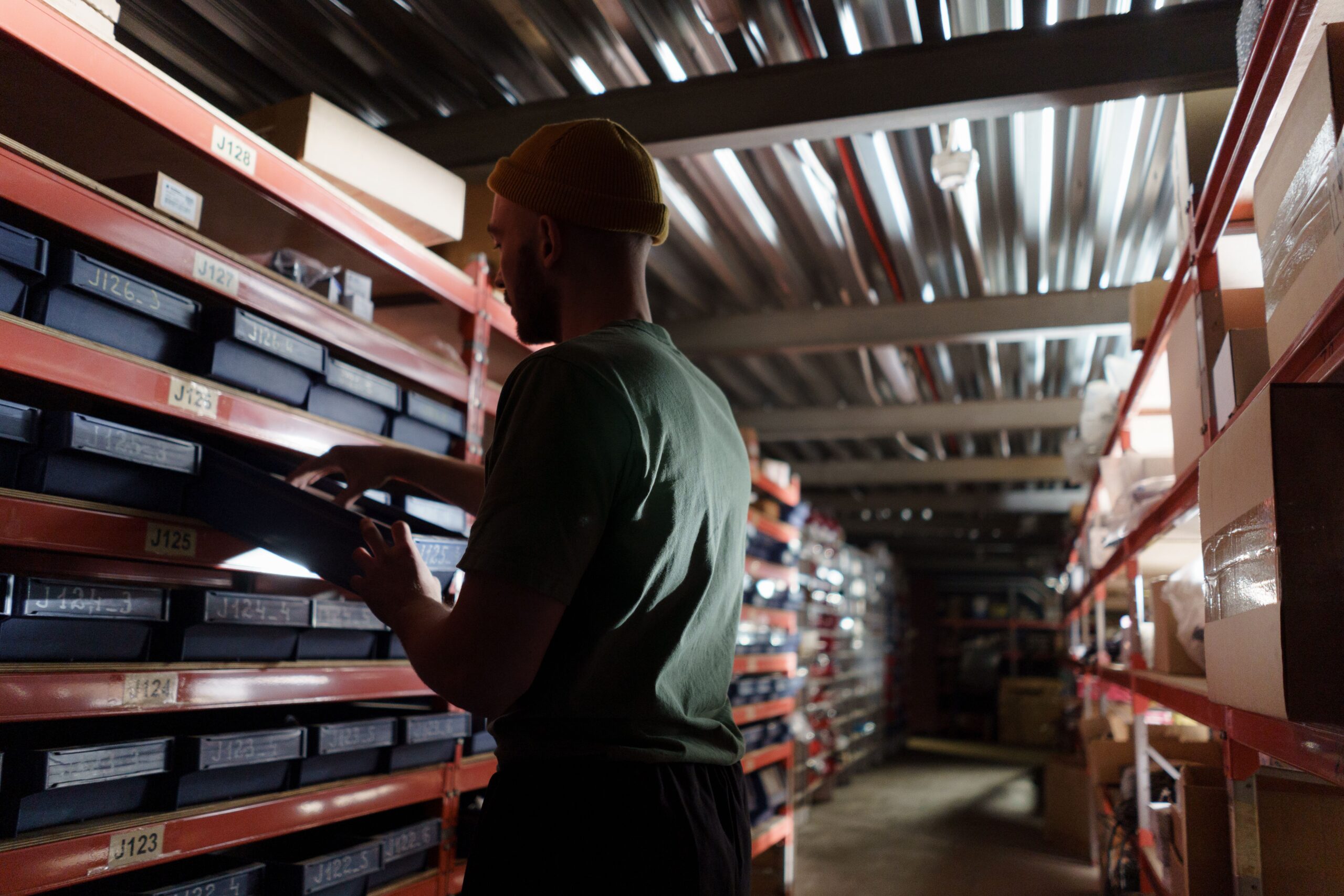
The logistical opacity extends beyond simple inventory errors to potential national security risks. The GAO report identified that US defense officials do not know which sub-tier contractor facilities house certain parts, and in-transit components shipped via commercial freight routinely escape tracking. These vulnerabilities have tangible consequences, as evidenced by an incident in September 2026, when an Australian F-35 cockpit canopy and weapons-bay door were diverted to Hong Kong during commercial transit. Shipped via UPS on behalf of Lockheed Martin for repairs, the unserviceable components transited South Korea before being seized and retained by Chinese authorities. This diversion triggered US Congressional inquiries and recovery efforts, raising alarms that China could exploit the intact radar-absorbent materials and specialized stealth geometry to reverse-engineer fifth-generation technology.
Experts warn that these supply-chain leaks, combined with decades of espionage, threaten US air superiority in the Indo-Pacific. An October 2026 article in *Foreign Affairs* noted that deepening US military partnerships and globalized supply chains are creating dangerous blind spots. The inability to track parts through third-party logistics providers compromises the integrity of the program’s most sensitive hardware. While the DoD maintains that 70% of parts are held at government-managed facilities and 30% at contractor sites, the GAO found that procedures to verify information provided by contractors remain inadequate. The loss of over $85 million in previously reported missing parts, first identified in 2023, remains unresolved as of March 2026, with the status of those components still unknown.

The intersection of declining readiness and compromised logistics presents a complex challenge for US defense planners. The immediate military objective of the F-35 program—to provide a versatile, stealth-capable strike platform for the US and allied nations—is undermined if aircraft remain on the ground due to unavailable parts or if critical technology is leaked to rivals. The GAO warned that these systemic gaps would undermine combat readiness, obstruct financial audits, and cripple the capacity to prevent fraud across the program. As the US continues to deploy F-35s to key locations like RAF Lakenheath, where the 48th Fighter Wing operates alongside F-15E Strike Eagles, the reliability of the supply chain becomes a matter of strategic stability. The next confirmed development will likely involve the DoD’s response to the GAO’s recommendations for improving inventory integration and the outcome of the ongoing investigation into the Hong Kong diversion incident.