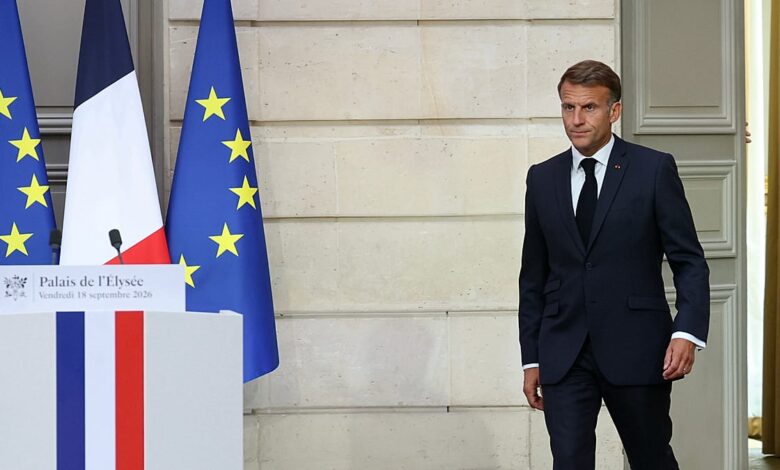
President Emmanuel Macron, in a letter sent on September 18 to European Commission President Ursula von der Leyen, explicitly urged Brussels to take emergency steps to boost Europe’s supply of diesel and jet fuel. The request comes against the backdrop of a prolonged closure of the Strait of Hormuz and renewed attacks on energy infrastructure in the Middle East. According to the letter, which was seen by Euronews, the oil market has been kept supplied so far largely through higher refinery output, weaker Asian demand, and the drawdown of existing stocks. However, Macron warned that this cushion is disappearing. If the Strait of Hormuz remains effectively closed and Saudi Arabia’s East-West pipeline does not return to operation, the depletion of Saudi stocks could remove at least another 4 million barrels a day from global crude supply, potentially triggering another sharp price increase.
The urgency of Macron’s appeal is underscored by the scale of inventory depletion. Global oil inventories have fallen by more than 500 million barrels, a figure that underscores the fragility of the current supply chain. For Europe, the dependence on Middle Eastern imports is particularly acute in two critical sectors: aviation and transport. The letter notes that 36% of European jet fuel imports and 18% of diesel imports come from the region. This specific exposure means that disruptions in the Middle East do not just affect wholesale prices in distant trading hubs; they directly threaten the operational capacity of airlines and the availability of fuel for commercial and private vehicles within the EU.
However, the energy crisis in France is not solely a geopolitical issue; it is deeply entangled with domestic political and economic turbulence. Since the onset of a political crisis in July 2024, the country has experienced significant budgetary difficulties. These fiscal pressures coincide with a slowing expansion of renewable energy sources and uncertainties regarding the long-term financing capacity of EDF, the state-owned electricity utility. The convergence of these factors places France in a difficult position: it aims to become climate neutral by 2050, yet emission reductions have lagged behind targets, and the immediate cost of securing fossil fuel supplies is straining an already fragile public budget.
Recently, after years of delays, France published a plan defining its energy strategy up to 2035. This plan, however, drew significant criticism for slashing renewables targets in favor of nuclear power. This strategic pivot reflects a domestic preference for baseload reliability and carbon-free generation, but it does not solve the immediate problem of liquid fuel scarcity. Nuclear power generates electricity, not diesel or jet fuel. Therefore, while France may be positioning itself for long-term baseload energy security through nuclear expansion, it remains vulnerable to short-term shocks in the liquid fuel market, which is why the call for the EU to relax fuel rules is so prominent.
The European response to this crisis has, for now, avoided consumption curbs. Instead, the bloc has relied on buffers such as stockpiles, refinery flexibility, and the redirection of global trade flows. However, as Macron’s letter illustrates, these buffers are finite. The “Iran war” and broader Middle Eastern instability have added to these difficulties by putting sustained pressure on energy prices. The situation forces a re-evaluation of how the EU manages its energy security architecture. Reliance on market mechanisms and existing infrastructure has proven insufficient to absorb the current supply shock, prompting calls for more direct intervention in fuel regulation.
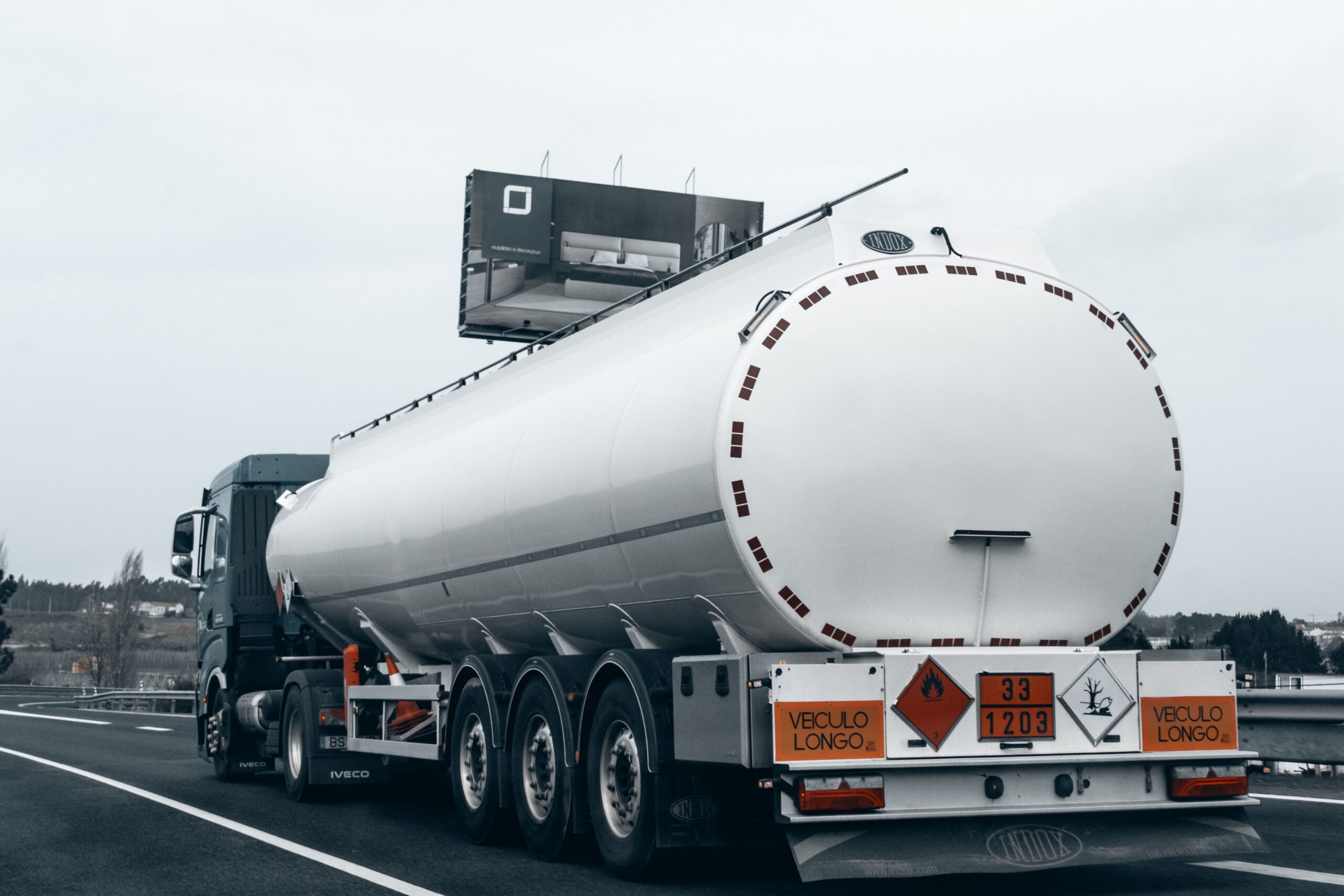
For consumers and businesses in France, the implications are tangible. The 14% of affected gas stations represent a direct hit to daily mobility and commercial logistics. As the depletion of Saudi stocks becomes a realistic risk, the potential for another sharp price increase looms, further complicating the economic outlook in a country already grappling with budgetary constraints. The uncertainty extends beyond just price; it touches on the reliability of supply chains that depend on diesel and jet fuel.
As the situation evolves, the focus remains on whether the EU will act on Macron’s request to relax fuel rules. The next verified development will likely hinge on the European Commission’s response to the September 18 letter and any subsequent operational changes in global oil trade. For now, the 14% of gas stations experiencing shortages stand as a reminder that the energy transition, while vital for long-term climate goals, has not yet provided a buffer against acute geopolitical supply shocks. The balance between immediate fuel security and long-term decarbonization remains a precarious tightrope for France and the wider European bloc.