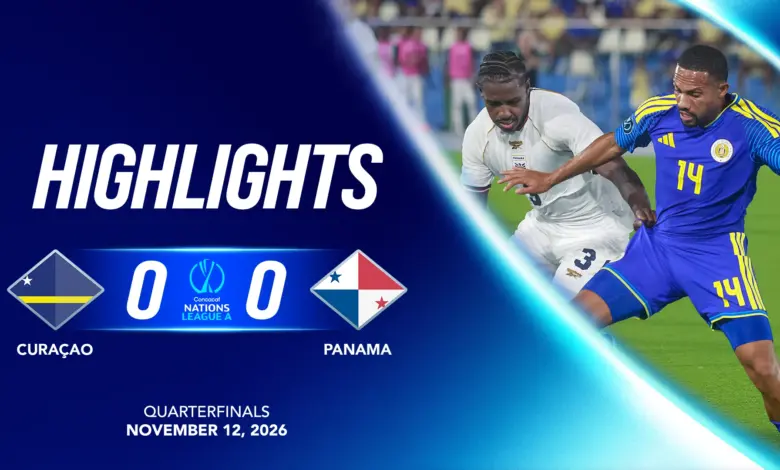
Tactical preparations for the match were distinct, reflecting the differing strategic priorities of the two managerial camps. Panama, led by manager Thomas Christiansen, opted for a structured defensive posture, lining up in a 5-4-1 formation. This setup prioritized compactness and defensive resilience, aiming to limit Curaçao’s attacking options while maintaining a numerical advantage in the wide areas. In contrast, Curaçao, under the guidance of Dutch veteran Dick Advocaat, adopted a more expansive 3-4-3 formation. This configuration suggested an intent to control possession and exploit the flanks with forward pressure, a common approach for teams seeking to break down deep-block opponents in knockout-style fixtures.
The match unfolded in Panama City, with the atmosphere charged by the high stakes of a quarterfinal encounter. While specific goal scorers or minute-by-minute tactical shifts are not detailed in the available reports, the structural contrast between the two lineups provided the primary narrative of the contest. Panama’s 5-4-1 system likely focused on absorbing pressure and transitioning quickly, whereas Curaçao’s 3-4-3 aimed to dominate the midfield and create width through their front three.
Key figures in the Curaçao squad included Tahith Chong, who was present on the pitch for the duration of the match, as evidenced by his departure from the field at the conclusion of the game. His involvement highlights the quality of personnel Curaçao deployed in this high-profile fixture. For Panama, the coach’s decision to stick with a five-back line underscores a pragmatic approach to a match where defensive solidity could be the deciding factor in a two-legged tie.
The Concacaf Nations League serves as a significant platform for national teams in the region, offering competitive matches against peers and a pathway to higher-profile international tournaments. The quarterfinal stage represents a major hurdle, requiring teams to demonstrate consistency and tactical discipline over two legs. The outcome of this second leg in Panama City will determine which side advances, with the winner joining the other three teams in the final phase of the competition.

As the final whistle blew, the focus shifts to the competitive consequences of the result. The match has now concluded, and the teams will look to the official standings and aggregate scores to determine their progression. For fans and analysts, the tactical battle between Christiansen’s defensive cohesion and Advocaat’s attacking structure provides a case study in modern national team management within the Concacaf region.
The next step for the advancing team will be the final round of the Concacaf Nations League, where they will face the winners of the other quarterfinal ties. This stage will test the depth and resilience of the squads that have navigated the earlier rounds, offering a platform for further international recognition and competitive development.