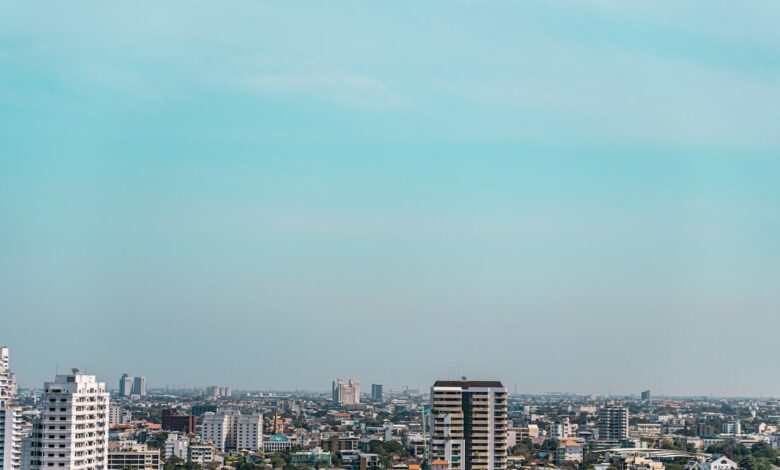
The PCD attributes the deteriorating air quality to the strengthening of a cold air mass, a meteorological condition typical of Thailand’s winter season, which officially began on November 9. While cold air itself does not generate pollution, it creates a “temperature inversion” layer that acts as a lid over the city. This suppresses vertical air movement, preventing pollutants from dispersing upward and allowing them to accumulate near ground level where people live and work. When atmospheric ventilation is weak, the dispersal of emissions from traffic, industry, and agricultural burning is severely restricted, leading to the observed build-up of PM2.5.
According to the November 14 report, the nine affected locations were categorized as “orange,” a designation indicating that air pollution is beginning to affect health. Five of these locations were within Bangkok’s administrative boundaries: Pom Prap Sattru Phai, Pathum Wan, Yan Nawa, Lat Krabang, and Bang Khen districts. The remaining four were in neighbouring provinces: Phra Pradaeng and Mueang Samut Prakan in Samut Prakan, Mueang Samut Sakhon in Samut Sakhon, and Mueang Nakhon Pathom in Nakhon Pathom. In these areas, PM2.5 concentrations ranged from 21.9 to 44.2 µg/m³. By contrast, the rest of Thailand remained within national standards, with readings in the North ranging from 4.6 to 15.2 µg/m³, the Northeast from 8.8 to 27.0 µg/m³, and the South from 5.0 to 6.9 µg/m³.
Local data from the Bangkok Metropolitan Administration (BMA) Air Quality Centre corroborates the PCD’s findings. Measurements taken between 9 am and 11 am on the day of the report showed an average citywide PM2.5 level of 29.5 µg/m³, which is below the national standard of 37.5 µg/m³ but indicates a baseline of moderate pollution. However, specific district readings revealed significant hotspots: Lat Krabang recorded 40.1 µg/m³, Bang Khen 39.4 µg/m³, Pathum Wan 39.0 µg/m³, Pom Prap 39.0 µg/m³, and Yan Nawa 37.8 µg/m³. These figures confirm that while the citywide average may appear manageable, localized pollution levels are already posing health risks, particularly in the southern and eastern districts of the capital.
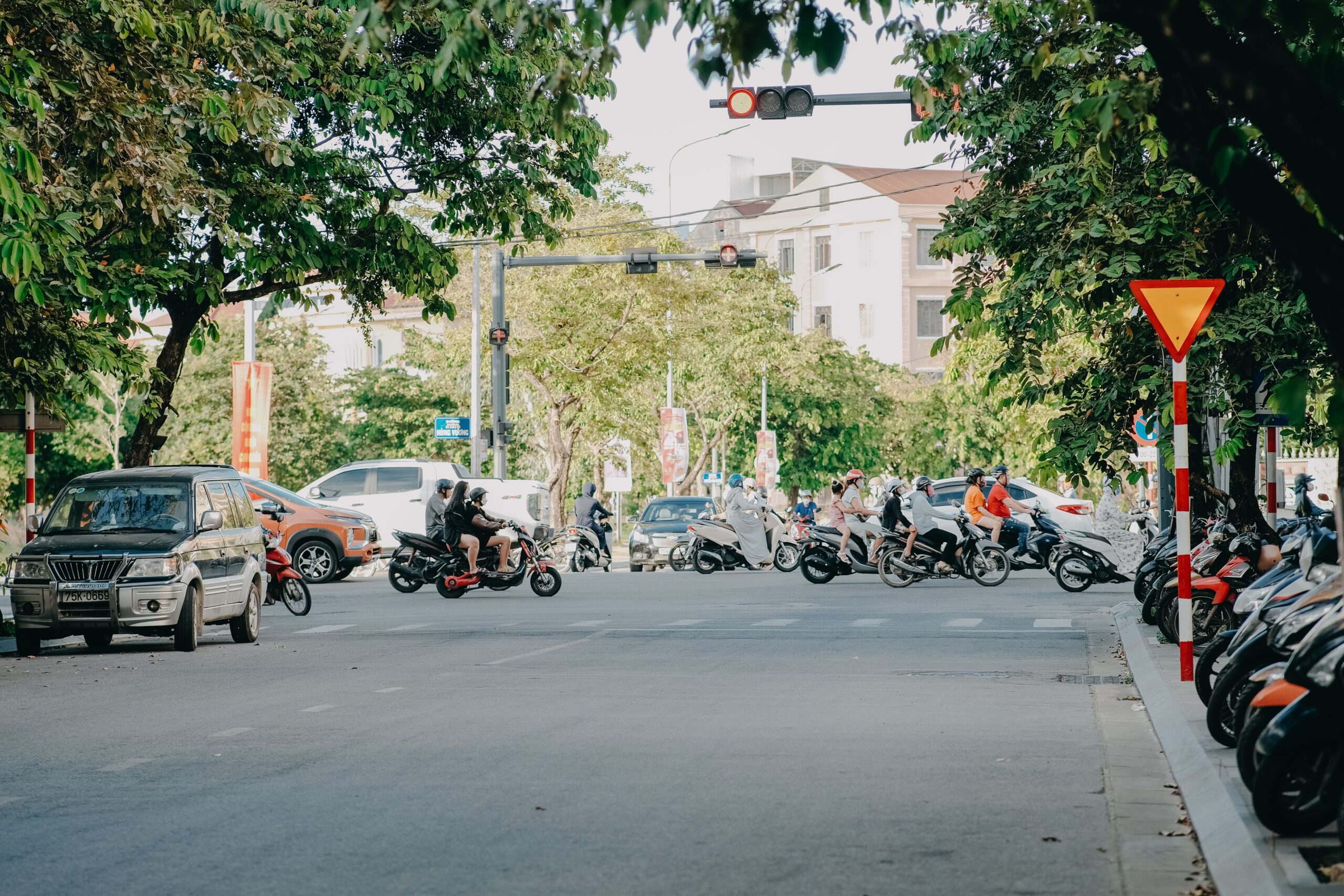
Health officials emphasize that these are not merely statistical anomalies but measurable threats to public well-being. The PCD and BMA advise that vulnerable groups—including children, the elderly, pregnant women, and individuals with respiratory or cardiac conditions—should reduce outdoor activity during high-pollution periods. For those who must be outside, wearing masks designed to filter PM2.5 is recommended to minimize inhalation of fine particles. Symptoms such as coughing, breathing difficulties, or eye irritation are early indicators that air quality is affecting physical health, and affected individuals are urged to seek medical advice if symptoms persist.
In response to the recurring nature of this issue during the dry and winter seasons, the BMA has unveiled a set of prepared measures aimed at mitigating the impact of PM2.5. Bangkok Governor Chadchart Sittipunt announced the installation of advanced real-time monitoring systems, developed with technical assistance from China, to improve the accuracy of pollution forecasts. This data-driven approach is intended to allow for more precise and timely public warnings. Additionally, the city is expanding its “Green List” emissions control program, which will now include four-wheel commercial vehicles. Under this scheme, if PM2.5 readings exceed specific thresholds, these vehicles will be banned from entering designated areas of the city, a direct intervention aimed at reducing the primary source of urban particulate matter.
A third pillar of the strategy involves coordinating with neighbouring provinces to control open burning of biomass and farm waste. On November 13, hotspot monitoring recorded 30 active hotspots across Thailand, predominantly in rice fields in the lower North and Central regions. While these agricultural fires are located outside Bangkok, the prevailing winds and atmospheric conditions can transport smoke and particulates into the capital, compounding local pollution levels. The BMA’s coordination efforts aim to address this transboundary aspect of air pollution, recognizing that the city’s air quality is inextricably linked to regional agricultural practices.
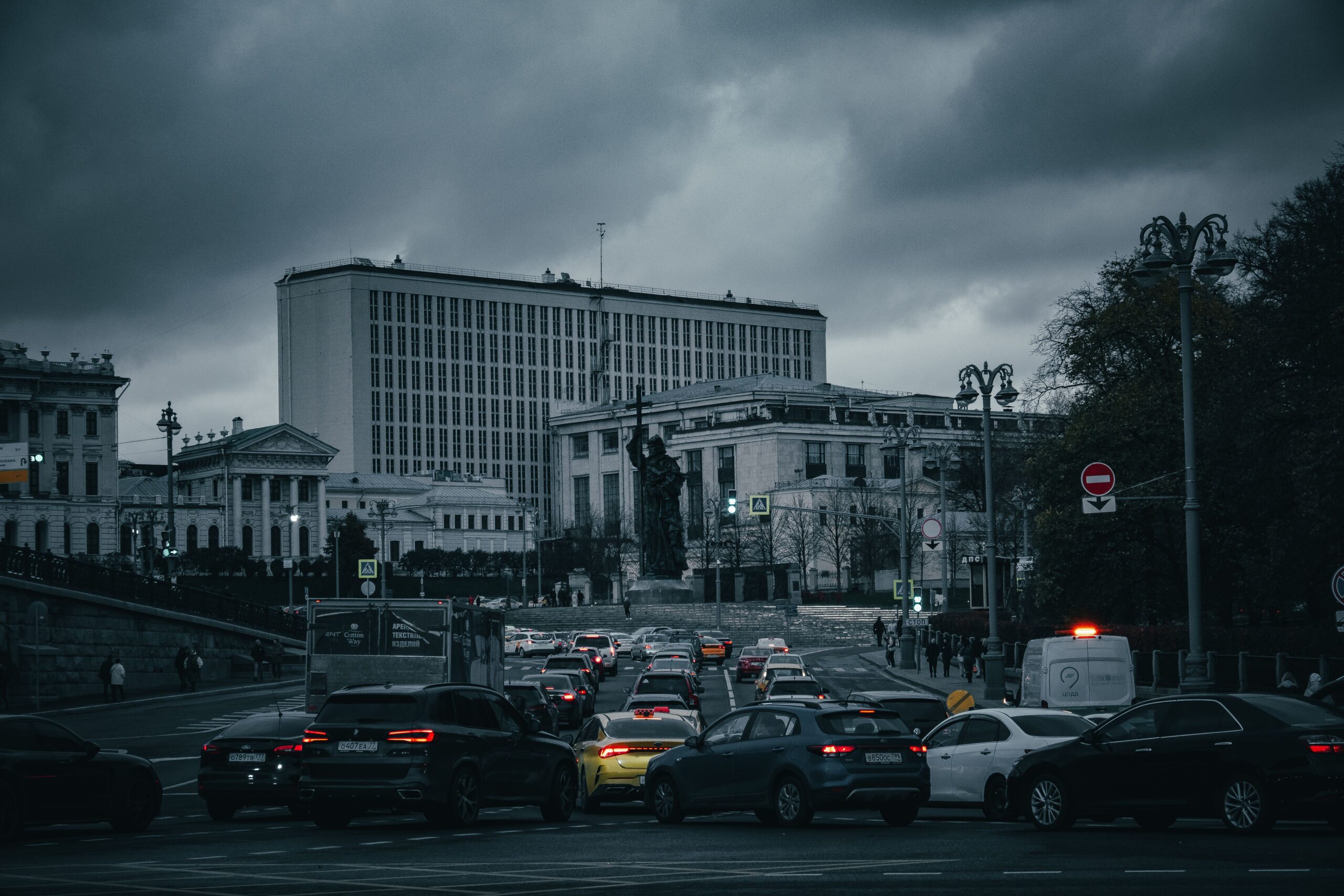
It is important to distinguish between the immediate meteorological factors driving this specific episode and long-term climate trends. While the 2026 winter season brings specific cold air masses that trap pollution, the frequency and intensity of such stagnation events may be influenced by broader climate shifts. However, the current health risk is driven by the immediate combination of local emissions and short-term weather patterns. The distinction is crucial for policy: while climate change mitigation is a long-term goal, the immediate need is for effective air quality management, emission controls, and public health protection.
The situation underscores the complexity of managing air pollution in a rapidly urbanizing region. The BMA’s measures, including vehicle bans and cross-provincial coordination, represent a shift from reactive monitoring to proactive management. Yet, the success of these initiatives depends on consistent enforcement and the cooperation of all sectors, including industry and agriculture. As the city prepares for the November 19–20 peak, the focus remains on minimizing exposure for vulnerable populations while implementing structural changes to reduce the source of pollution.
The next critical assessment will come in the days following November 20, when the PCD and BMA will evaluate the effectiveness of the implemented controls against the actual PM2.5 readings. This data will determine whether the expanded vehicle bans and biomass controls were sufficient to keep concentrations below health-harmful levels, providing a benchmark for future dry-season strategies.