

At the center of the discussions is the immediate threat to energy security. Southeast Asian countries, heavily dependent on imports, are bearing the brunt of oil and gas shortages stemming from the conflict in the Middle East. The Philippines, Vietnam, and Malaysia are identified as particularly vulnerable to these disruptions in the Gulf. The severity of the crisis was underscored earlier this year when Manila declared a state of national energy emergency in March. Beyond state-level resource management, the conflict has direct human consequences; millions of ASEAN citizens residing and working in the Middle East face threats to their safety and livelihoods. Furthermore, regional anxiety persists regarding the potential for the conflict to spill over into the Strait of Malacca, a narrow but strategically vital waterway situated between Indonesia, Malaysia, and Singapore.
These energy concerns are compounded by the economic pressures of the US-China rivalry. Since the beginning of US President Donald Trump’s second term, ASEAN nations have faced tariff hikes ranging from 10 to 12.5 percent. In response, the bloc has sought to strengthen trade relationships with partners outside of this binary dynamic. The presence of President Trump at the summit underscores the high-stakes nature of these diplomatic engagements, as the region seeks to mitigate the impact of the US tariff war while navigating its complex relationships with both Washington and Beijing.

Territorial disputes in the South China Sea remain a persistent source of friction. China and four ASEAN members—Brunei, Malaysia, the Philippines, and Vietnam—as well as Taiwan, are locked in decades-old standoffs over the busy waterway, which is believed to host significant undersea deposits of oil and gas. Since 2005, the bloc has engaged in negotiations with China for a “code of conduct” intended to discourage aggression and prevent major clashes. Although the two sides agreed in 2023 to accelerate these talks and release a finished draft this year, the process has been marked by frequent stalls, particularly due to heightened tensions between Manila and Beijing. Led by Malaysia, at least 10 rounds of talks have been held this year, with a final round taking place in October. However, analysts express doubt that a definitive conclusion will be reached during this week’s summit, suggesting that negotiations may extend into next year.
Regional instability on land presents another layer of complexity. Armed clashes between two ASEAN member states along an 800-kilometer (500-mile) contested border, as well as over competing claims to sacred religious sites such as the Preah Vihear Shiva temple, late last year resulted in at least 150 reported deaths and the displacement of nearly one million people. While a ceasefire has been in place since December, with interventions from ASEAN, China, and the US leading to talks, the wider border dispute remains unresolved. The bloc is currently calling for further dialogue and the participation of third-party observers to stabilize the situation.
The civil war in Myanmar continues to dominate the humanitarian agenda. Multiple rebel forces, including ethnic-based armed groups, have been fighting the military government since the February 2021 coup, compounding the existing Rohingya refugee crisis. ASEAN has pushed for the restoration of democracy through a five-point peace plan launched in April 2021, which called for dialogue and improved humanitarian aid access. However, the plan has failed to alleviate the deteriorating situation. Consequently, the bloc has restricted Myanmar’s participation in important summits to non-political representatives, reflecting growing concerns over violence and the humanitarian crisis within the country.
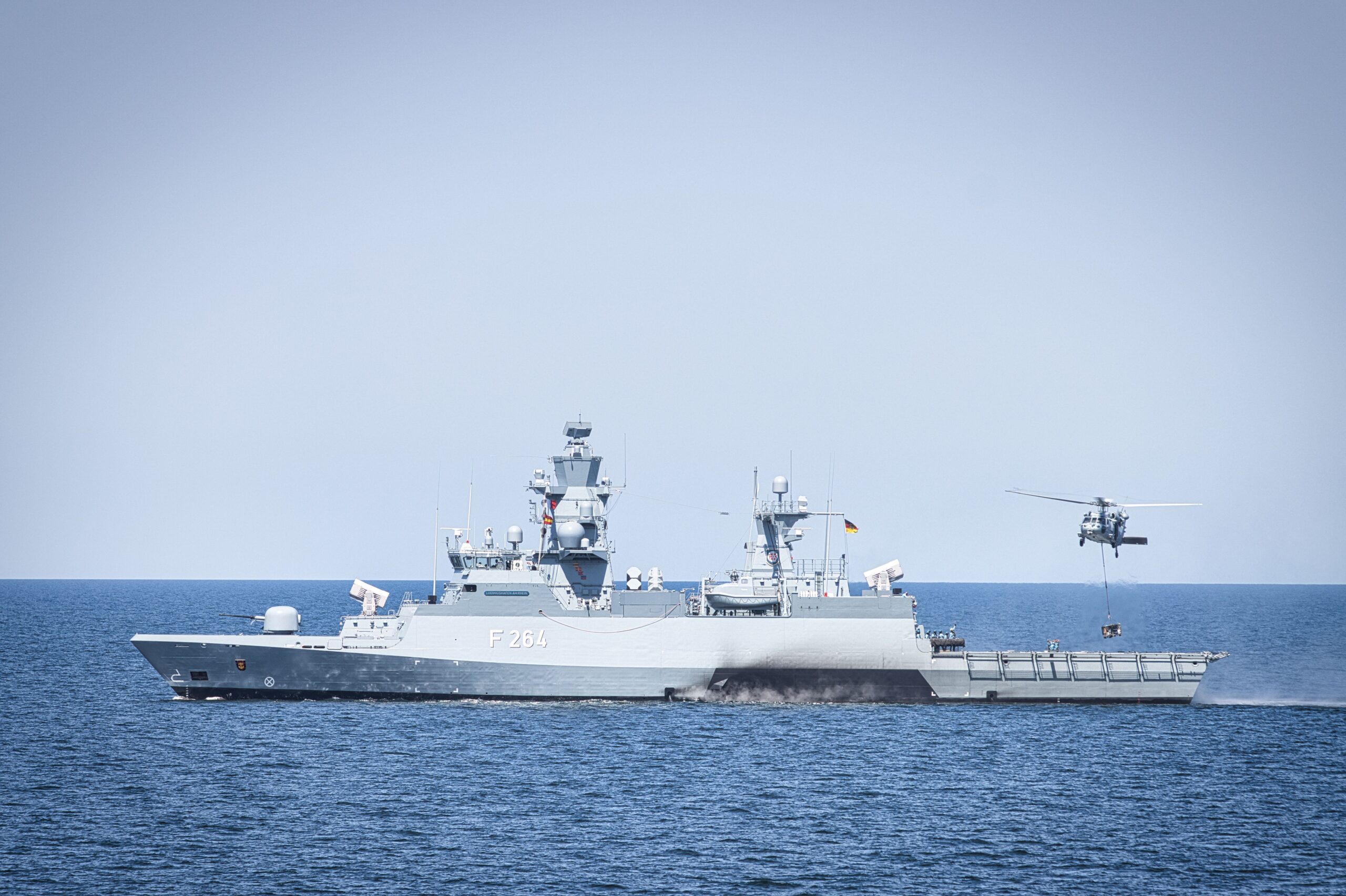
Environmental challenges also feature prominently in the regional discourse. Months of widespread wildfires in drought-hit Indonesia have scorched an estimated 2.88 million hectares (7.12 million acres), resulting in at least 3,500 deaths. The resulting haze has severely impacted residents not only in Indonesia but also in neighboring Malaysia, the Philippines, Singapore, and East Timor. While Jakarta has faced criticism for its response, the government has defended its approach by citing the deployment of thousands of responders.
As the summit concludes, the ASEAN bloc must balance its ambition to establish a single market with the reality that it cannot impose decisions on its members. The Manila gathering serves as a critical test of the organization’s ability to coordinate a unified response to energy shocks, trade pressures, and territorial disputes. With the energy crisis linked to the Middle East conflict and the unresolved border tensions in the region, the coming months will determine whether the diplomatic frameworks established in Manila can withstand the weight of these competing geopolitical forces.



One Comment