The immediate cause of the disruption was identified by Transportation Secretary Sean Duffy as a router failure occurring during work on the Federal Aviation Administration’s telecommunications network. FAA Administrator Bryan Bedford characterized the underlying work as “routine” maintenance intended to update the system from legacy copper wires to a modern fiber-optic system. However, the scale of the interruption—nearly 6,700 cancellations on Saturday and over 9,200 on Sunday, according to FlightAware data—suggests that what was planned as a routine upgrade encountered a critical point of failure in the agency’s infrastructure.
The incident has reignited scrutiny regarding the resilience of the FAA’s communication backbone. John Pistole, former TSA Administrator and FBI Deputy Director, appeared on Bloomberg This Weekend to analyze the vulnerabilities exposed by the outage. Pistole emphasized the urgent need for greater redundancy in the system, questioning whether the current architecture can withstand another disruption, particularly with the high-traffic Thanksgiving travel period approaching. His comments highlight a central technical concern: the transition from copper to fiber-optic technology, while necessary for long-term reliability, introduces complex integration risks if the legacy and new systems are not robustly cross-supported.
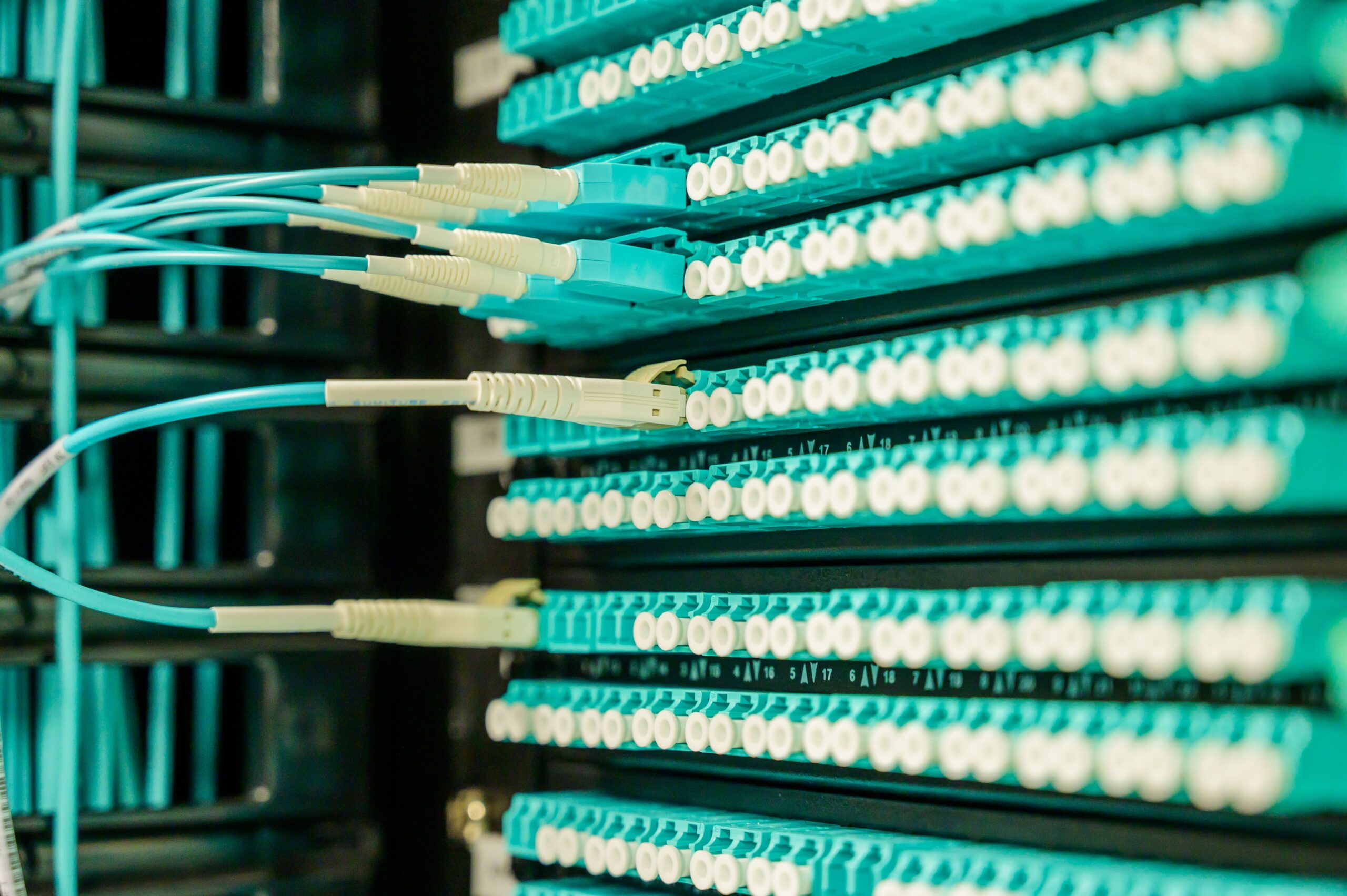
The technical significance of the outage lies in the interdependence of air traffic control and telecommunications. The FAA’s network is not merely a corporate IT system; it is the nervous system of U.S. aviation. A failure in a router during a migration phase indicates that the handover between old and new infrastructure may have lacked sufficient fallback mechanisms or redundancy layers. Pistole’s focus on contractor L3Harris, the firm involved in the network work, points to the commercial and contractual dimensions of this technical challenge. The reliance on external contractors for critical infrastructure upgrades raises questions about oversight, system integration, and the ability to maintain operational continuity during complex technical transitions.
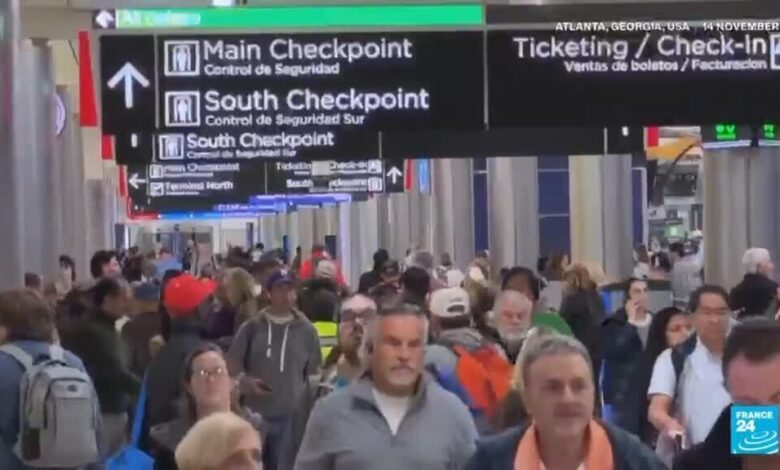
The human cost of these technical limitations was starkly evident in the logistics of recovery. Justine Fritz, a sales professional in New York, attempted to return to Minneapolis after a business event. Her Saturday flight was canceled, and she was forced to book five different flights, including a four-hour detour through Houston, before finally boarding. Fritz noted that she possessed so many boarding passes from the repeated rebookings that Transportation Security Administration (TSA) officers initially refused to let her through security. Airlines responded to the chaos by waiving change fees and fare differences and offering extra pay to pilots and flight attendants to manage the extended duty cycles. Despite these measures, the disruption persisted into Sunday, with more than 1,600 flights canceled and nearly 1,400 delayed as of 7 a.m. ET.
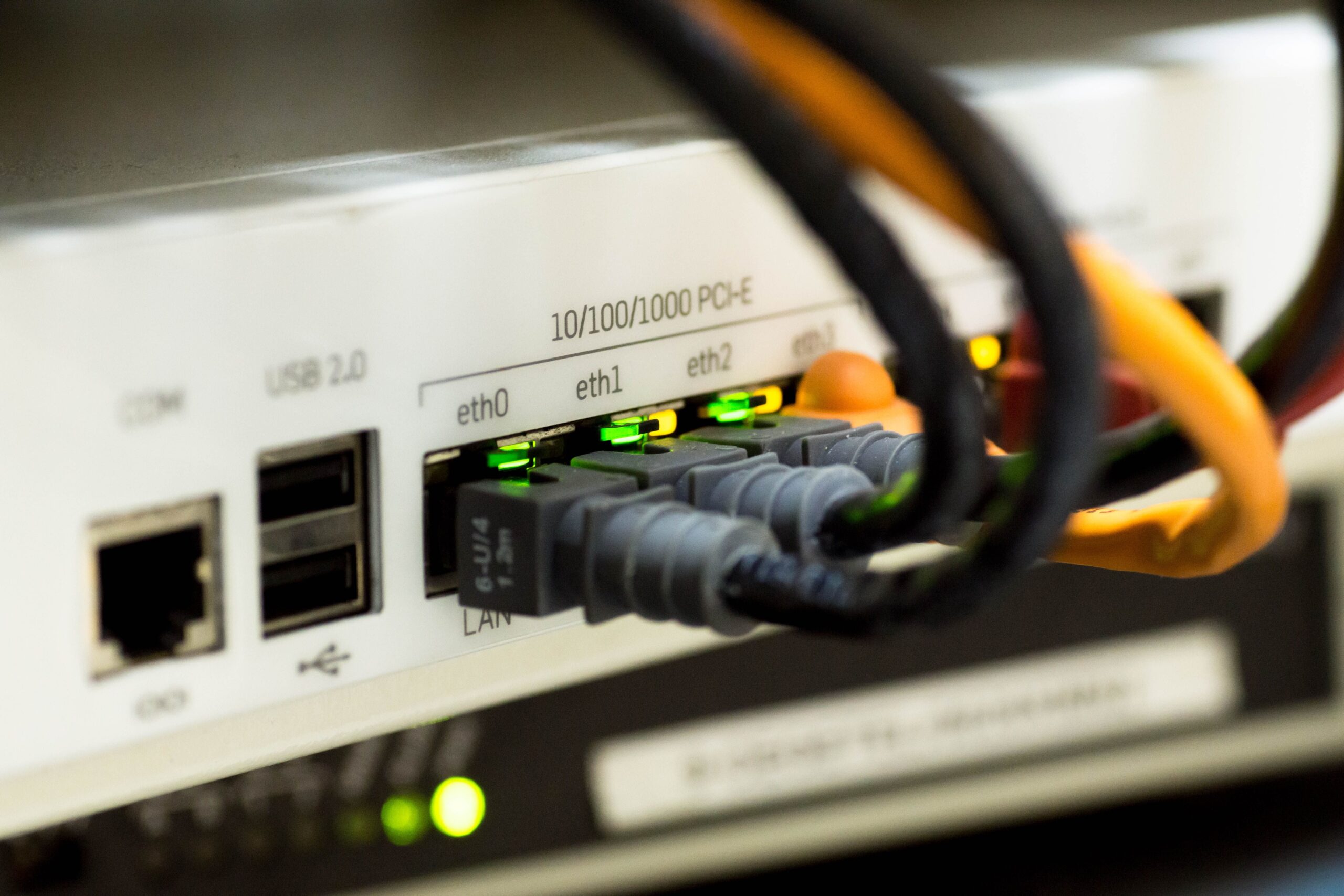
The incident underscores the tension between modernizing aging infrastructure and maintaining operational stability. The move to fiber-optic systems is a standard industry practice for improving bandwidth and reliability, yet the execution of such upgrades requires meticulous planning to avoid single points of failure. The current situation reveals that the FAA’s network may still be susceptible to cascading failures when components are degraded or replaced. For users, the impact is a return to the unpredictability of air travel, where a technical glitch in a router can translate into days of lost time and significant financial and emotional strain.
As the immediate backlog of flights begins to clear, the focus shifts to the unresolved technical issues that caused the stoppage. The question remains whether the FAA’s network has the necessary redundancy to handle future maintenance or unexpected failures without a nationwide ground stop. With Thanksgiving travel approaching, the pressure on the system is likely to increase, making the resolution of these vulnerabilities a matter of both technical and public safety priority. The experience of passengers like Beth Martin and Justine Fritz serves as a reminder that behind every technical specification and infrastructure upgrade is the tangible reality of human reliance on a system that must, above all, remain uninterrupted.