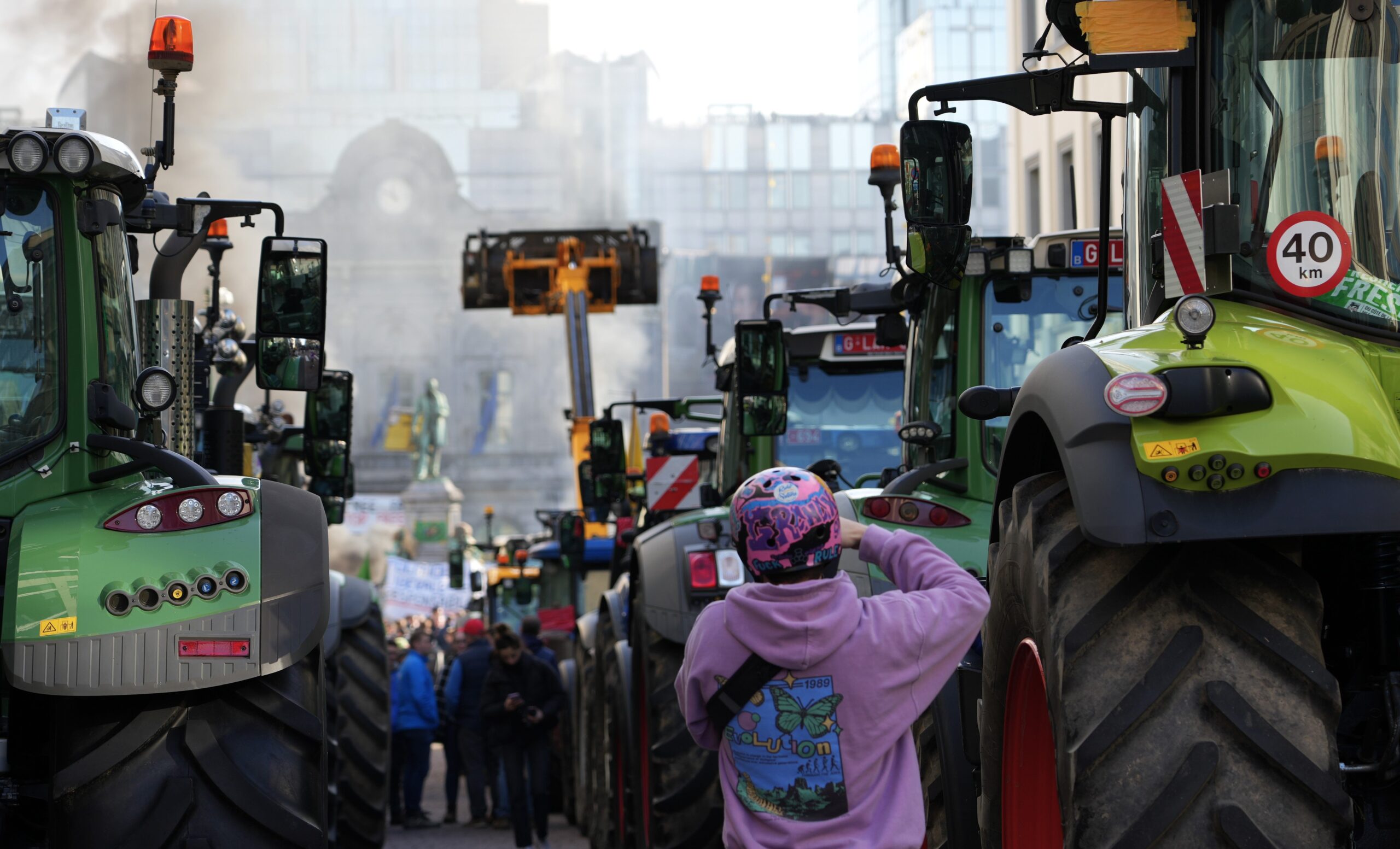
Local authorities reported that at least 6,000 people participated in the demonstration, although organizers, operating under the banner “Bassines non merci” (“No to reservoirs, thank you”), claimed the crowd numbered 25,000. The protesters marched toward a fenced-off construction area spanning approximately 162,000 square meters. In response to the gathering, which proceeded despite a ban on assemblies in the district, more than 3,000 police officers were deployed. Officials stated that at least 1,000 potentially violent activists had joined the demonstration. During the confrontation, security forces fired more than 5,000 tear gas canisters to prevent protesters, some of whom reportedly threw fireworks and projectiles, from approaching the site. Reports indicate that more than 200 people were injured, some seriously, with one demonstrator remaining in a coma.
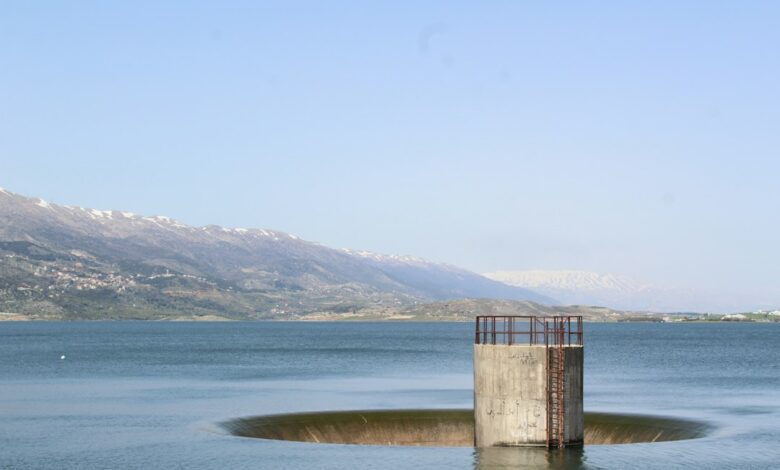
The central economic and environmental dispute involves one of several large retention basins being built in the region. These projects are developed by groups of farmers, including a coalition of 400 farmers in this specific area, aimed at reducing reliance on mains water during summer droughts. France experienced its worst drought on record last year, which intensified national discussions regarding water resource security. Proponents of the reservoirs argue they are a necessary solution to mitigate shortages during future dry spells, ensuring agricultural productivity in a changing climate. Conversely, opponents contend that the projects primarily benefit large agricultural producers for crop irrigation, offering no direct benefit to the local community. Critically, the construction involves drawing water from underground aquifers, a process that opponents argue leads to the degradation of water resources in the affected areas, undermining the human right to water access.
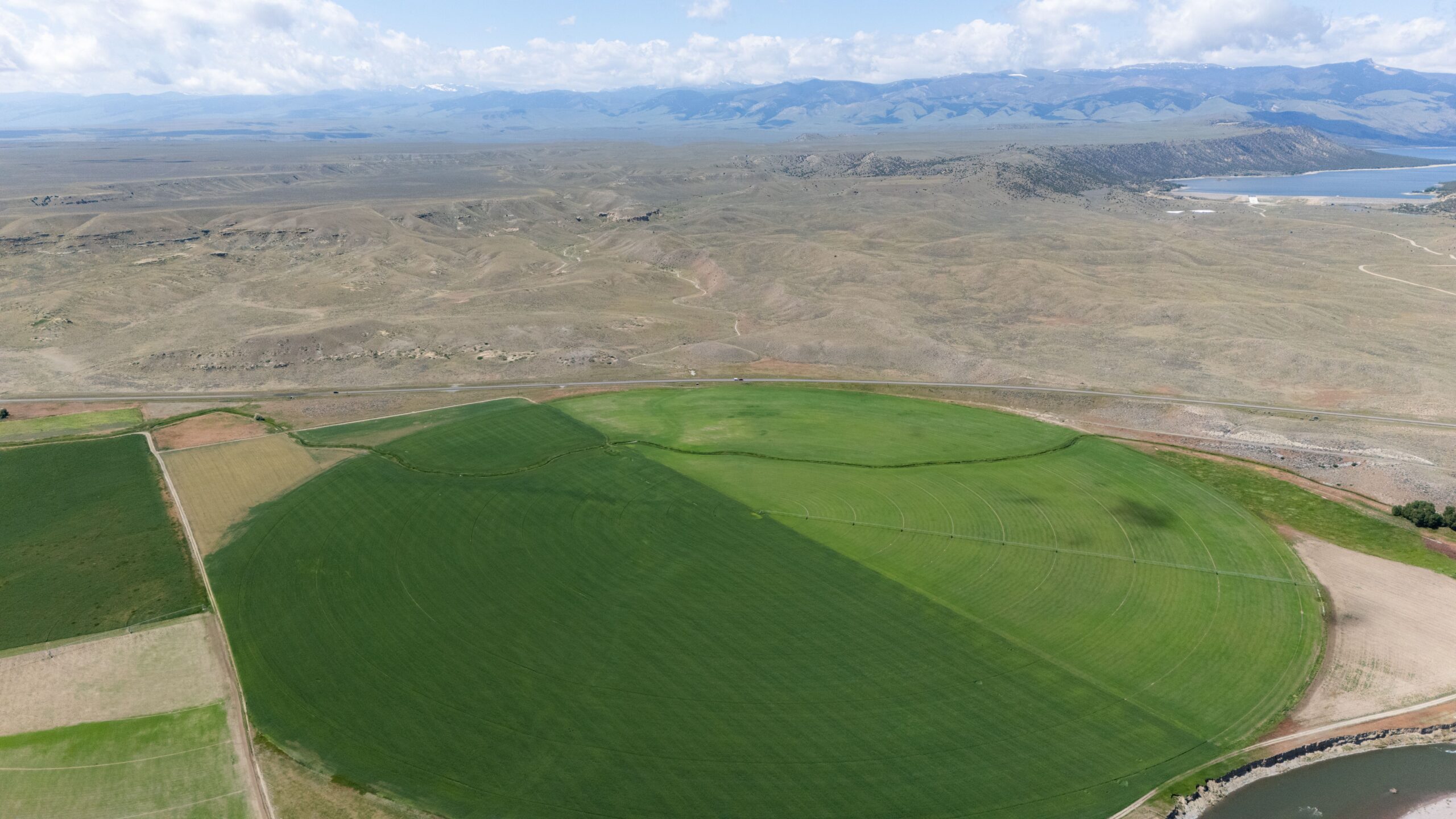
The scale of this agricultural infrastructure push is significant. While the French government cites approximately 100 mega-basin projects for agricultural irrigation in the country, opposition groups such as “Bassines Non Merci” and “Le Soulèvement de la Terre” have mapped nearly 300 projects, many of which are still in the study phase. This discrepancy highlights the uncertainty surrounding the true scope of these developments. The acceleration of these projects since 2010 has been driven by the frequency of massive droughts attributed to climate change. However, critics describe the policy as a flawed attempt to maintain the current agro-industrial model at any cost, benefiting a small minority of large farmers linked to big agro-industrial interests, while small-scale farmers face decreasing access to overexploited water resources.
The political response to the violence has been firm. President Macron stated, “We will never give in to this violence. In a democracy, we do not have the right to use violence.” Interior Minister Gérald Darmanin described the violence displayed against officers as “unspeakable” and “unbearable.” Following the crackdown, the government announced the “dissolution” of Les Soulèvements de la Terre (The Earth’s Uprisings), one of the key organizations behind the demonstrations. This move signals a shift toward stricter legal enforcement against groups opposing major water infrastructure projects, a trend observers note aligns with a broader global resurgence of authoritarian responses to environmental protests.
Although the reservoir protests are technically distinct from the pension reform demonstrations that have paralyzed parts of Paris and other cities, there is a perceived convergence of struggles among some participants. Benoit Jaunet, a spokesperson for the Deux-Sèvres Peasant Confederation, stated, “What is happening today, this convergence of struggles – this struggle for water is similar to the one for pensions. We are facing the same violence. Our work, our water are being stolen for a few people. And that’s not right.” This linkage suggests that economic grievances over resource allocation are resonating with broader dissatisfaction regarding government decision-making processes.
The economic implications extend beyond the immediate site in Sainte-Soline. The reliance on underground water for these mega-basins raises long-term sustainability questions for the agricultural sector in western France. If the aquifers are depleted, the very productivity the reservoirs aim to protect could be compromised. Furthermore, the social unrest poses a risk to business continuity in the region, with the potential for further logistical disruptions and legal challenges as opposition groups seek to halt the remaining projects. The situation illustrates how climate adaptation measures, intended to stabilize supply chains and agricultural output, can become flashpoints for civil conflict when perceived as inequitable or poorly managed.
As the immediate aftermath of the Sainte-Soline clashes settles, attention turns to the legal and political ramifications of the government’s dissolution of protest organizations. The next critical development will be the outcome of legal challenges to the remaining reservoir projects and whether the government will proceed with further deployments of force to protect construction sites. The tension between securing water for industrial agriculture and preserving community rights will remain a defining economic and political pressure point in France in the near term.