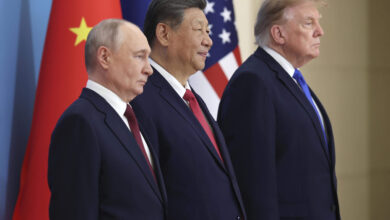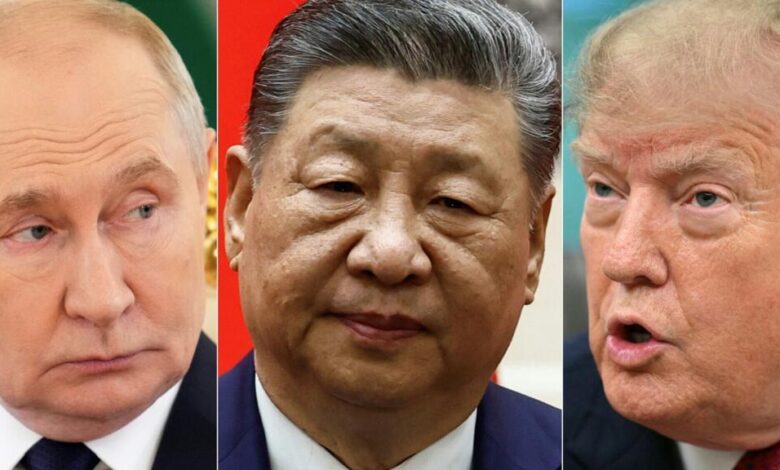
However, the atmosphere surrounding the summit is far from harmonious. Trump arrives in Asia following a decisive defeat in the US midterm elections, a result that has altered the political calculus in Washington. Simultaneously, the administration is reeling from allegations that Nvidia CEO Jensen Huang, who maintains close ties to the President, had an affair with a suspected Chinese spy. These developments have injected a layer of hostility into what analysts initially characterized as a low-stakes engagement. Ruby Osman, a senior policy adviser on China at the London-based Tony Blair Institute, noted that with reduced concerns over market reactions or electoral fallout, Trump “may be more willing to consider disruptive measures.”
At the heart of the friction is the technology sector, specifically the flow of advanced semiconductors. Washington has signaled a willingness to harden its stance, urging China to adhere to the commitments made under the fragile trade truce agreed upon a year ago. The controversy surrounding Nvidia has intensified scrutiny on restricted chip exports, with allegations that advanced semiconductors were diverted to Chinese customers. In response to these allegations, US House Speaker Mike Johnson stated that a consensus is growing in Congress to further limit Chinese access to advanced chips. Democrats, set to take majorities in both the House and Senate in January, are expected to press aggressively on this issue.
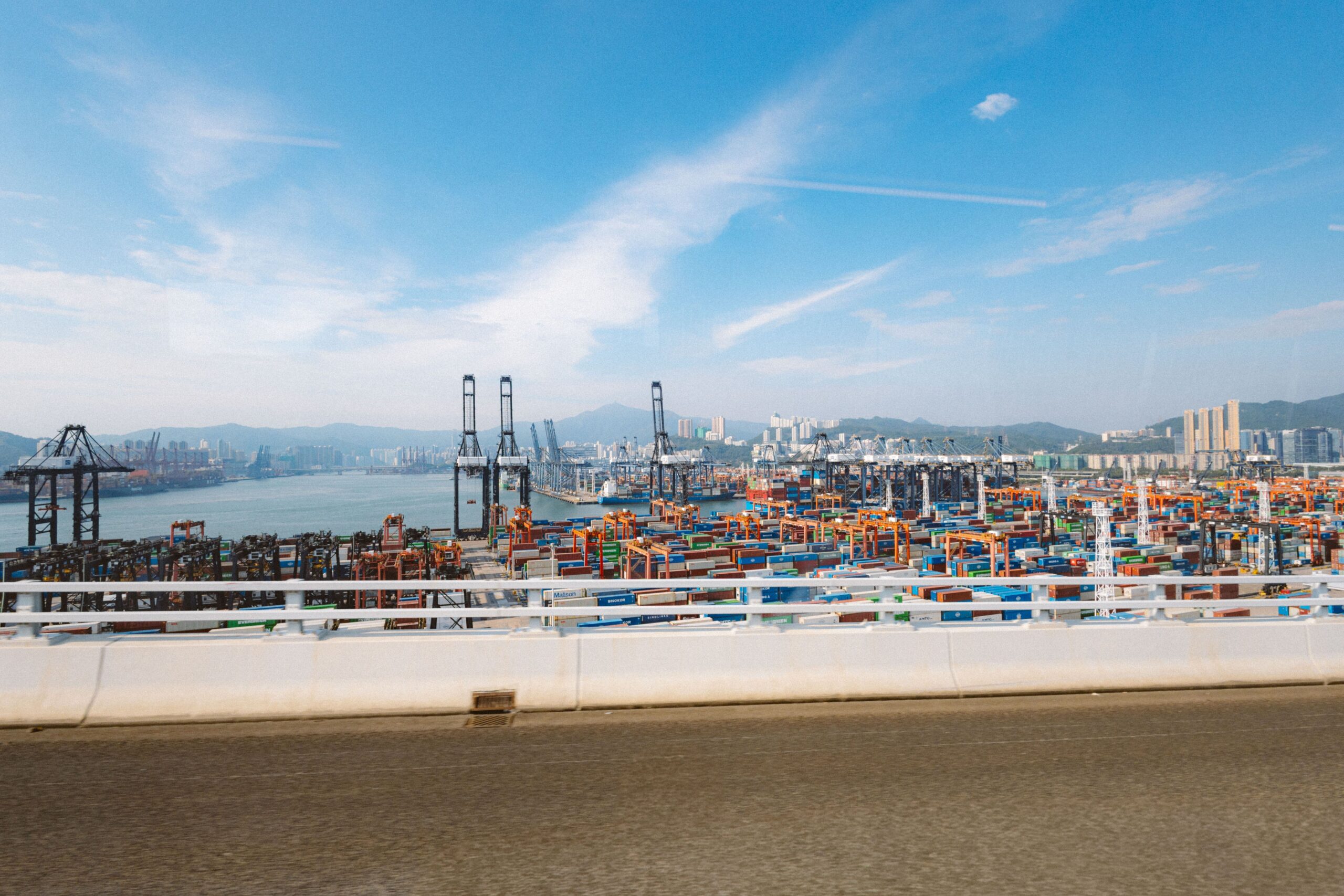
Beijing has rejected the US narrative, claiming the spy allegations were fabricated to justify a technological blockade. Zhu Feng, director of the Institute of International Studies at Nanjing University, warned that this dispute could accelerate the “decoupling of AI” between the two superpowers, even as they attempt to cooperate on mitigating the risks associated with the technology. For Chinese analysts, the primary concern is that the US political landscape is shifting toward a more restrictive posture, regardless of the current administration’s intentions.
Despite the rhetorical tensions, both nations have strong economic incentives to maintain the current trade truce, which is scheduled to expire on January 10. Kurt Tong, a former senior State Department official now with the Asia Group think tank, observed that the two sides are “quite incentivized to maintain this fragile stability” despite their disagreements. Last year’s trade conflict threatened to destabilize global financial markets, a scenario both Washington and Beijing are eager to avoid. Chim Lee, a senior China analyst at the Economist Intelligence Unit, emphasized that both parties have “quite a lot to lose” if the truce collapses.
The summit’s agenda extends beyond bilateral trade to include nuclear arms control. Trump has expressed interest in movement toward agreements on nuclear arms reduction, a topic he intends to discuss with both Xi and Putin. However, this remains a complex diplomatic hurdle. China, which possesses a significantly smaller nuclear arsenal than the US or Russia, has long insisted that the US and Russia must reduce their own stockpiles before Beijing agrees to talks on its own. Furthermore, the proposed three-way meeting has drawn comparisons in Russia to the 1945 Yalta Conference, a framing that worries Ukraine, which is engaged in a four-year war with Russia. US officials stated that Trump is not expected to raise the war in Ukraine during the trilateral, though he may discuss his own conflict in Iran. German President Frank-Walter Steinmeier noted that Xi expressed “irritation” in a recent meeting when the idea of including Ukraine in trilateral talks was raised, stating explicitly that it is a European conflict requiring European presence at the table.

For Xi Jinping, the summit offers an opportunity to exploit Trump’s political vulnerability. A key objective for Beijing is to ensure the US does not approve a $14 billion arms package to Taiwan, a territory China claims as its own. Trump has described holding back these arms as a “negotiating chip.” Jonathan Czin, a foreign policy analyst at the Brookings Institution who formerly served at the CIA and the US National Security Council, suggested that for China, simply buying time may be sufficient. “Xi just needs Trump to remain reluctant to revert toward a more competitive posture toward China for as long as possible,” Czin said. “China will take whatever time it can get to fortify itself for the next round in the contest.”
Looking ahead, Beijing is acutely aware that the geopolitical environment may become more hostile after Trump’s term ends in two years. Both Czin and Osman noted that potential successors, including Democratic predecessors and hawkish Republicans like Secretary of State Marco Rubio, may be less accommodating to China. This long-term view suggests that while the Shenzhen summit may yield symbolic gestures of stability, the underlying structural competition in technology and security is likely to intensify. The next critical data point will be the outcome of the December G20 talks in Miami, where further Trump-Xi discussions are scheduled, and the final implementation status of the trade truce before its January expiration.