
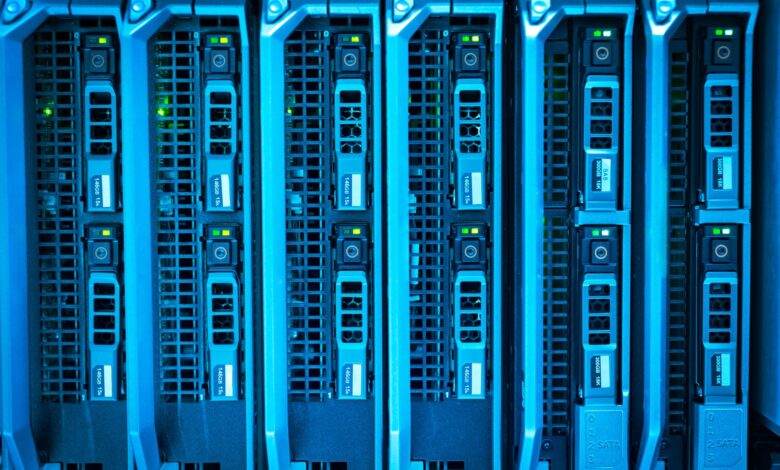
The location of this expansion is significant. Anthropic is developing facilities in the woodlands of Louisiana, a region chosen likely for its power availability and lower land costs. However, this race to reduce the unit cost of computing is creating enormous financial obligations. The core technical challenge remains the same: large language models require vast amounts of processing power. By building or leasing dedicated data centre capacity, Anthropic aims to secure the compute resources necessary to run its models efficiently. Yet, the financial structure of this expansion is where the tension lies. The $900 billion figure represents not just construction costs, but the long-term debt and lease obligations that will anchor the company’s balance sheet for years to come.
As these obligations grow, the banking sector is reacting with increasing caution. Lenders, who have historically been eager to finance technology growth, are now seeking to curb their exposure to AI-related debt. A growing backlash against mega data centre projects is threatening to derail some of these initiatives. This public opposition, driven by concerns over energy consumption, water usage, and environmental impact, is beginning to translate into financial risk. Banks are offloading debt tied to data centres and chips, signaling a shift in the risk appetite of the financial industry. This is not merely a sentiment shift; it is a tangible change in the cost of capital for AI startups. If lenders pull back, the ability of companies like Anthropic to fund their infrastructure expansion could be constrained, potentially slowing the pace of innovation or forcing a restructuring of their capital strategies.

The financial fragility of this ecosystem is further illuminated by the operational culture of dominant suppliers, particularly NVIDIA. Reports indicate that NVIDIA CEO Jensen Huang has exercised tight personal control over his company, a management style that has historically driven rapid innovation and market dominance. However, analysts now suggest that the risks of this approach are becoming clear. In the context of the AI boom, this concentration of power creates a single point of failure for the entire industry. If NVIDIA’s strategies, supply chain, or regulatory standing were to face a significant setback, the ripple effects would cascade through the data centre builders, the AI labs, and the banks financing their operations. The tight control that ensured NVIDIA’s agility may now be a liability in a market that requires stability and diversification.
It is crucial to distinguish between the announced infrastructure plans and the realized capacity. While the $900 billion figure represents committed or projected spending, the actual deployment of this infrastructure faces logistical, environmental, and regulatory hurdles. The distinction between a signed lease and a functioning data centre is vast. Furthermore, the “computing cost” reduction promised by these investments is a future state, not a current reality. Until these facilities are operational and optimized, the financial burden remains a liability rather than an asset. The IPO process will likely scrutinize these obligations heavily, as public markets tend to demand clearer visibility on long-term debt risks than private venture capital.
The broader implications extend beyond Anthropic and NVIDIA. The current AI infrastructure model relies on a feedback loop of debt, compute power, and model performance. As banks seek to limit their exposure, the cost of this compute power may rise, potentially stifling the competition that is supposed to drive efficiency. This creates a paradox: the very infrastructure meant to make AI more accessible and affordable is becoming a source of financial instability. The environmental backlash against data centres adds another layer of complexity, as regulatory pressures may force companies to delay or cancel projects, further disrupting the supply of compute resources.

For investors and regulators, the key question is whether the financial system can absorb the scale of these bets without triggering a correction. The tight control exercised by key players like NVIDIA, combined with the aggressive debt financing of data centres, creates a system that is highly leveraged and less diversified than previous tech booms. The path forward for Anthropic and its peers will depend not only on the performance of their models but on their ability to manage this massive financial exposure in an environment where public sentiment and banking risk appetite are shifting against them.
The next critical milestone will be the outcome of Anthropic’s IPO preparations, which will provide a clearer view of their actual debt obligations and revenue projections. Additionally, the response of major lenders to the growing backlash against data centre projects will determine the long-term cost of capital for the AI industry. Whether the $900 billion bet proves to be a foundation for dominance or a trap of unsustainable debt remains the central unresolved question in the current technology landscape.





2 Comments