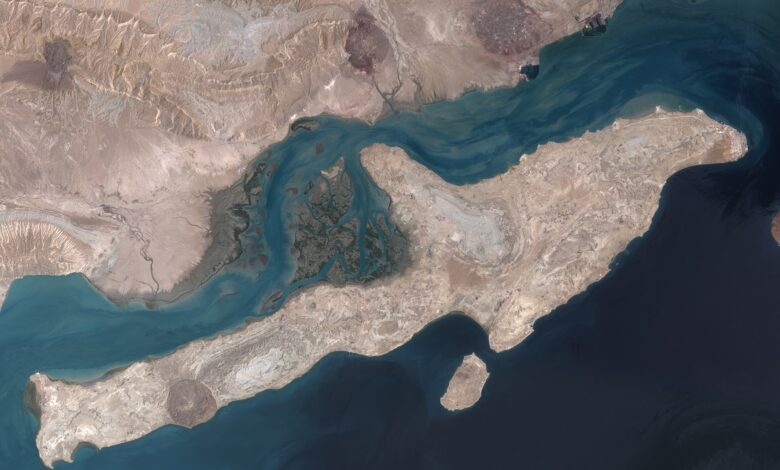
The strikes represent a sharp widening of the conflict that began on February 28, when the United States and Israel launched attacks on Iran. For months, the fighting had largely been contained between Iran and Israel, with sporadic involvement from Iran-backed Hezbollah in Lebanon and Houthi forces in Yemen. However, the latest escalation follows a specific retaliatory cycle: US fighter jets struck a missile launch site on Qeshm Island in the Strait of Hormuz on Tuesday evening. A US military official confirmed the strike was launched “in self-defense” in response to the Revolutionary Guard Corps (IRGC) targeting US personnel and assets. Iranian officials, including Ahmad Nafisi, the deputy provincial governor of Hormozgan, claimed the US attack caused no damage to residential, commercial, or infrastructural areas, a claim US sources did not immediately corroborate but which aligns with the precision nature of the reported strike.
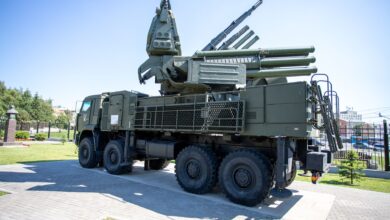
Operationally, the conflict has shifted from a bilateral exchange to a multilateral crisis involving the Gulf Cooperation Council states. Iran’s Army stated its drones specifically targeted US Patriot air defense systems and drone and missile launch platforms at Ali Al Salem. While Kuwait’s military confirmed its air defenses engaged “drone threats,” authorities reported no casualties or significant damage to the base. Similarly, Bahrain, which hosts the headquarters of the US Navy’s Fifth Fleet, reported intercepting Iranian aerial attacks for the third time in a week. Bahraini officials accused Tehran of a “systematic hostile approach,” noting that this was the fourth attack on the island kingdom in six days after a two-month pause. All intercepted strikes were confirmed by US Central Command, which stated it remains “highly vigilant and fully postured to protect Americans across the region.”
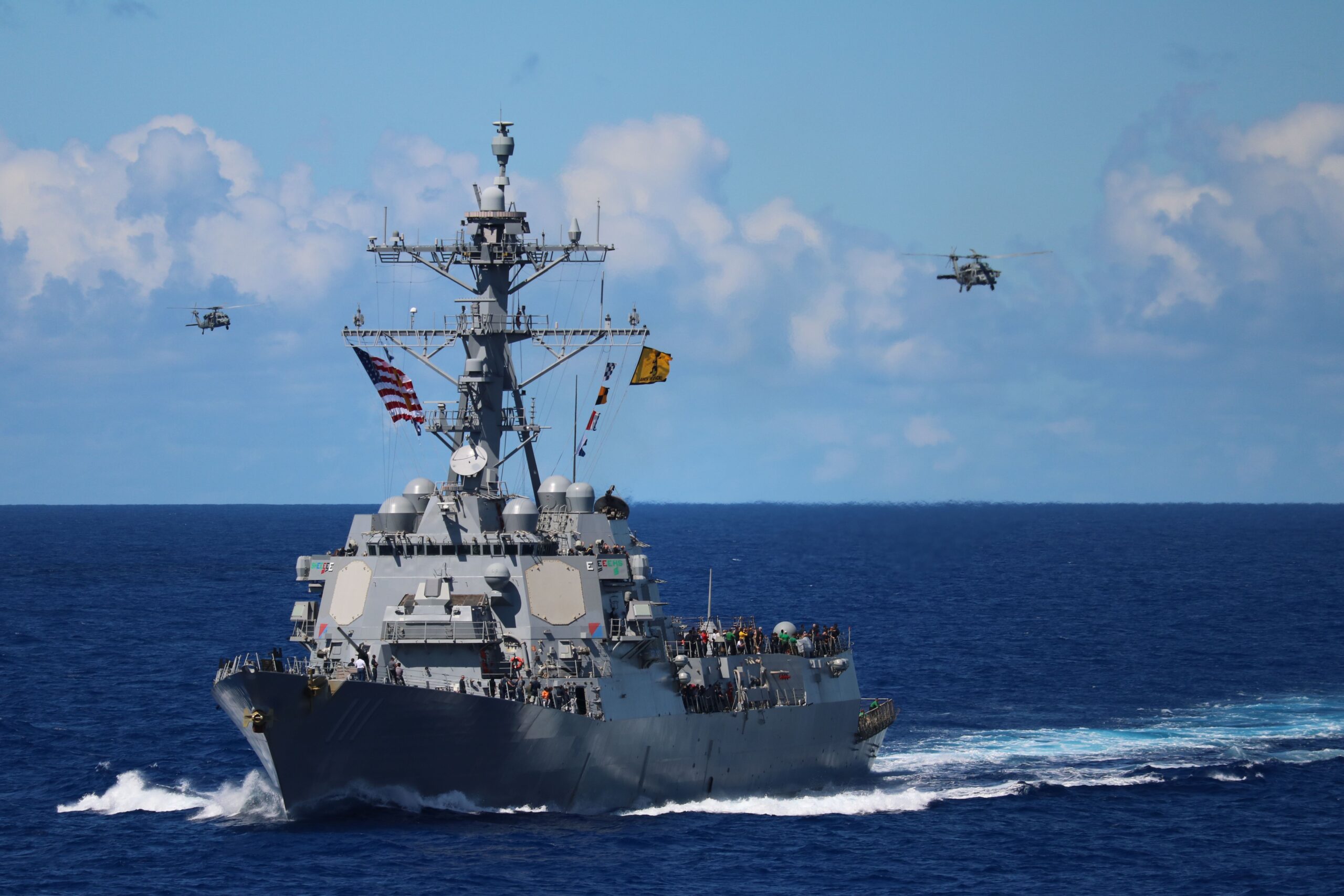
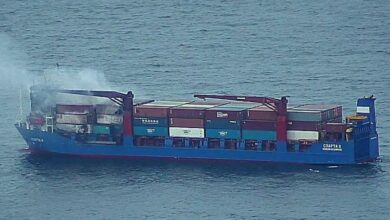
The geographic and strategic stakes are defined by the Strait of Hormuz, the waterway through which approximately one-fifth of global oil and gas shipments pass. Tensions in this corridor have intensified not only with military strikes but also with economic warfare. The US has imposed a naval blockade on Iran, severely impacting its economy, while Tehran has declared the strait closed, leading to severe disruptions in shipping. The human and economic cost is visible in commercial sectors; the United Arab Emirates’ state oil firm reported that a crew member was missing after one of its tankers was attacked in the waterway on Tuesday. This surge in attacks on shipping threatens to further strain global energy supplies, driving up prices and destabilizing markets worldwide.
Strategic analysis suggests that while the US and Israel possess superior air and naval capabilities, Iran is leveraging asymmetric warfare to drag its allies into the conflict. By targeting US assets in Kuwait and Bahrain, Tehran aims to force a choice upon these Gulf states: either actively participate in the defense of US forces or risk becoming collateral damage in an escalating tit-for-tat. The immediate military objective of these drone strikes appears to be probing air defense networks and demonstrating reach beyond the immediate Iran-Israel border. However, the limitations of this strategy are evident; the high interception rates by Kuwaiti and Bahraini air defenses, supported by US systems, suggest that Iranian drones are struggling to achieve significant damage against hardened US infrastructure.

Diplomatic avenues remain open but fragile. Qatar, which has been mediating indirect talks between Iran and the US, condemned the attacks as a “dangerous escalation that threatens to complicate efforts aimed at containing tensions.” Qatari and Iranian officials met on Tuesday to “bridge perspectives,” yet the continued violence suggests a deep deadlock. The conflict has already spread to Lebanon, where Israel and Hezbollah are engaged in fighting, and to Yemen, where Houthi forces launched a cruise missile at Riyadh on Wednesday, which was intercepted by a Saudi-led coalition. This multi-front nature complicates any potential ceasefire, as de-escalation requires not just a pause between Washington and Tehran, but a synchronized halt across multiple theaters.
Amir Hatami, the commander-in-chief of the Iranian Army, issued a stark warning in videos published by state media, threatening to confront the US and its supporters “in a stronger, more crushing way and without geographic limitations” if the US repeats its “mistake” of striking Iran. This rhetoric underscores the uncertainty surrounding the next phase of the war. While the US has demonstrated the ability to strike deep into Iranian territory with precision munitions, Iran continues to assert its will to inflict costs on US partners. The situation in Kuwait and Bahrain is no longer a distant threat but a present reality, with civilians hearing the explosions and commercial crews facing danger in the Gulf. As diplomatic talks stall, the military reality on the ground—defined by intercepted drones and retaliatory airstrikes—suggests that the region is poised for further volatility, with the fate of global energy flows and regional stability hanging in the balance.