The legal proceedings originated in June 2025, when Khumalo and his colleagues were arrested on suspicion of fraud and corruption. The central allegation concerned the appointment of Dineo Mokwele, a civilian, to a senior technical support services position within the crime intelligence unit. Prosecutors had characterized Mokwele as a “token appointment” and claimed she was unqualified for the role. All seven accused officers denied the charges and were not suspended from their duties during the period of the investigation.
The appointment of Mokwele drew significant public and judicial scrutiny, particularly during the proceedings of the Madlanga Commission, a major judicial inquiry into alleged police corruption. The commission was established last year by President Cyril Ramaphosa after a senior police officer alleged that organized crime groups had infiltrated the government. During the hearings, evidence was presented indicating that Mokwele was, in fact, highly qualified for the post, holding approximately a dozen certificates.
In July, Andrea Johnson, the former head of a specialized NPA unit tasked with investigating high-level and complex corruption cases, appeared before the commission. She admitted that she had been unaware of Mokwele’s qualifications at the time of the investigation and apologized for her previous remarks regarding the appointment. Following this review, the decision was made to drop the case against the police officers.
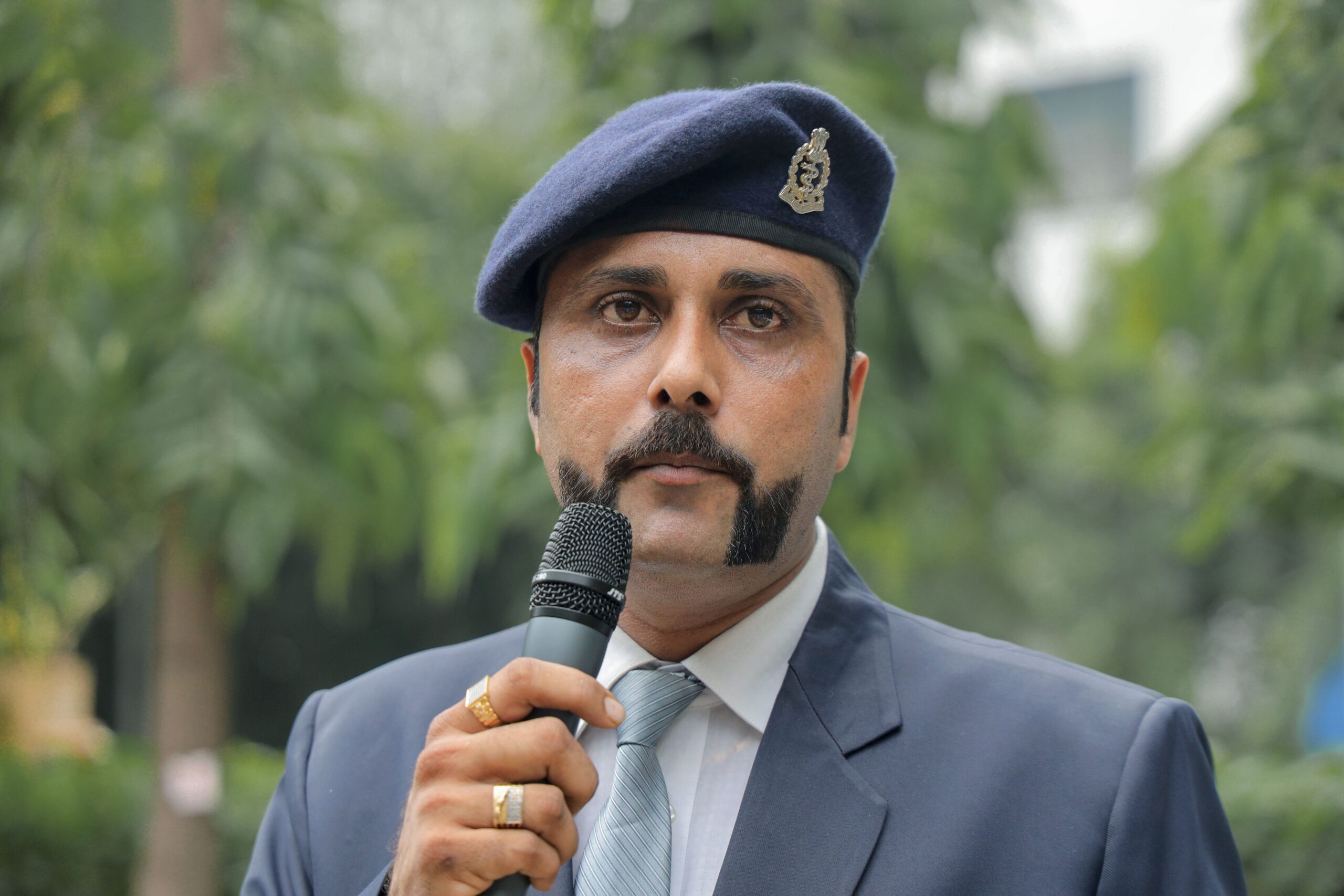
Speaking outside the court in Pretoria after the withdrawal, Lt-Gen Khumalo expressed relief, stating that the “truth at least is out.” Khumalo has served as the head of Crime Intelligence since 2022, having spent more than two decades in various units of the police force prior to his current role.
The resolution of this specific legal matter occurs against a backdrop of severe criticism regarding the efficacy of South Africa’s law enforcement agencies. The police service has long faced allegations of political interference, corruption, and an inability to effectively combat high levels of crime.
While the criminal charges against the intelligence chief have been dropped, the broader issue of intelligence failure remains a focal point of public discourse. In November 2026, the Motor Industry Staff Association (MISA) issued a statement linking the dysfunction of the police service and Crime Intelligence to the country’s failure to prevent mass shootings. MISA’s Chief Executive Officer, Martlé Keyter, noted that while the South African National Defence Force (SANDF) has been deployed to assist police in combating gang violence and illegal mining, mass killings continue. He cited recent incidents, including the deaths of eight men in a vehicle in Sweetwaters and the killing of nine people in a shack in Jeffsville, as evidence of a “total lack of crime intelligence.”
Critics argue that the Crime Intelligence division, which once successfully infiltrated extremist groups and contributed to a 23.1% drop in cash-in-transit heists in 2019, has been “hollowed out by scandal.” Crime activist Yusuf Abramjee, speaking to MISA, suggested that the division is currently engaged in internal “turf wars” rather than solving crimes, contributing to a perception that South Africa has been living in a “mafia state” for years. Despite the withdrawal of charges against its leadership, the division faces continued pressure to demonstrate its capacity to prevent planned attacks and address the country’s high murder rate, which remains the highest in the G20.
The legal withdrawal concludes the specific criminal case against Khumalo and his colleagues, but the Madlanga Commission continues its inquiry into broader issues of police corruption and infiltration. No further criminal proceedings are currently pending against the seven officers regarding the Mokwele appointment.