
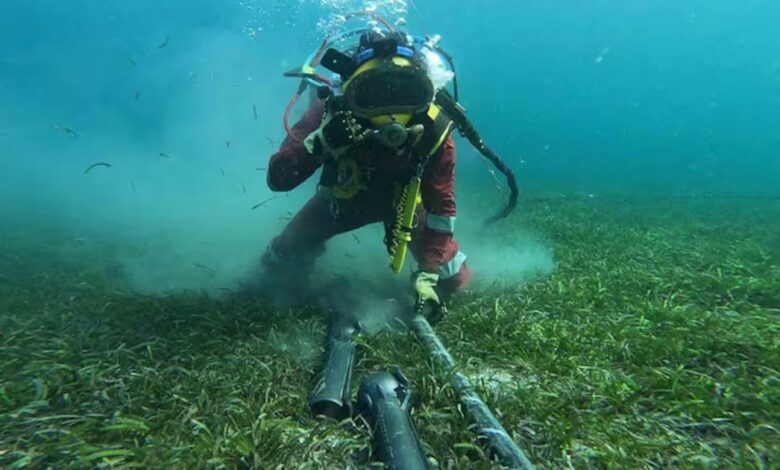
The simultaneous nature of these disruptions underscores a persistent vulnerability in global telecommunications: the heavy reliance on a limited number of undersea fiber-optic cables to carry the vast majority of international data traffic. In Vietnam, four of the eight international subsea cable systems serving the country were affected by the mid-August incidents. The SJC2 fault occurred in the S4 segment near Chung Hom Kok, Hong Kong, while the AAE-1 issue affected the S1.H2 segment, a part of the system that had reportedly been experiencing problems since February. With the AAG and TGN-IA cables also down, Vietnamese telecom operators faced a critical need to maintain service levels for users accessing overseas platforms.
The impact on users was immediate and quantifiable. In Vietnam, the loss of 30 percent of international capacity meant that access to overseas social media platforms, streaming services, and online games became slower, particularly during peak usage periods. Domestic websites and services hosted within Vietnam remained largely unaffected, as they do not depend on international connectivity for local traffic. However, the degradation of international links highlighted the dependence of modern digital life on infrastructure that is largely invisible to the end user. In Pakistan, the situation was similarly stark. The Pakistan Telecommunications Authority (PTA) linked widespread slow speeds and connectivity outages to the SMW5 cable fault. Cloudflare Radar data confirmed the severity of the drop, noting that HTTP bytes had fallen by as much as 36 percent following the failure.
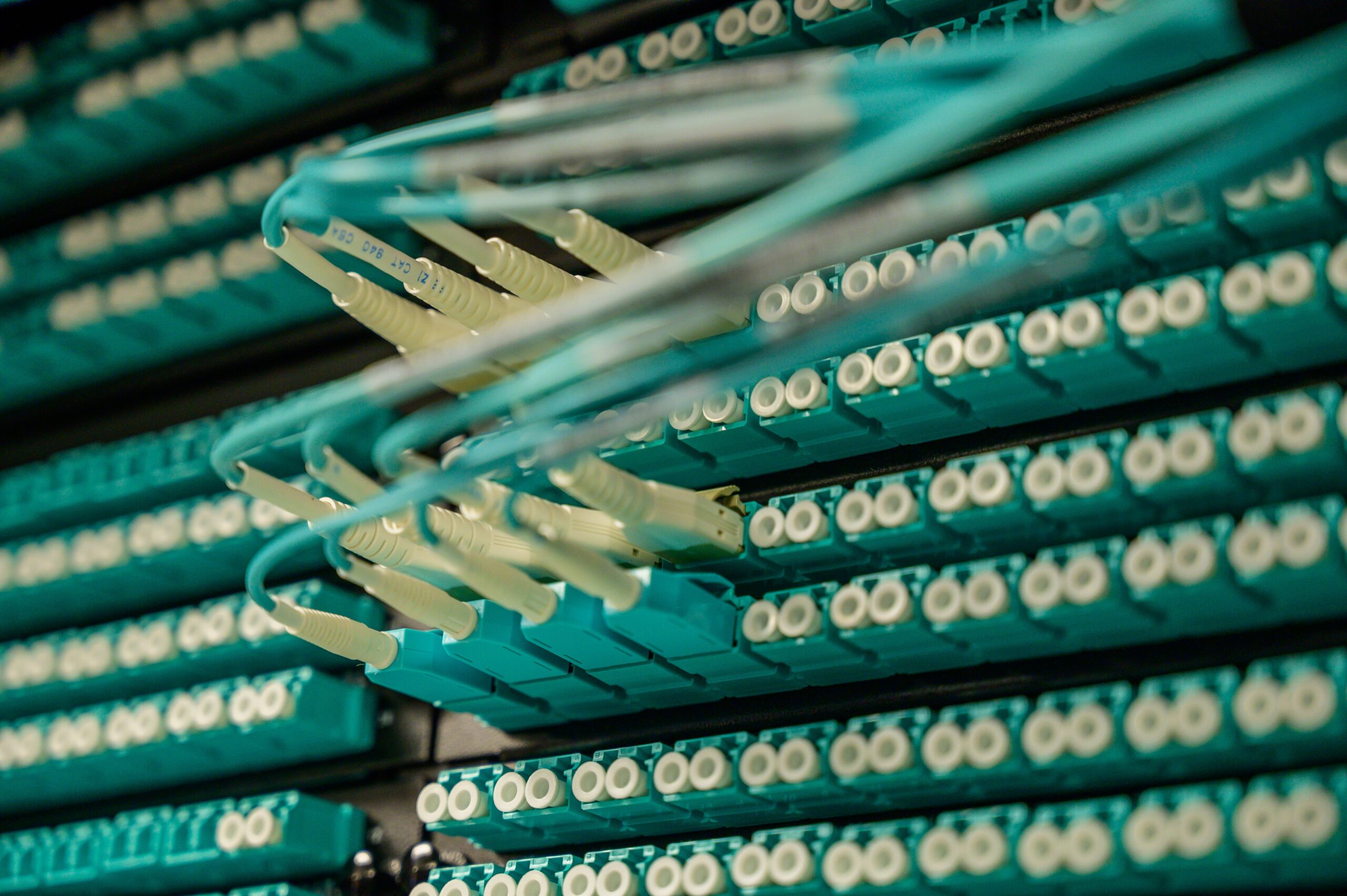
Technical responses from major operators focused on rapid rerouting and capacity augmentation. In Vietnam, VNPT stated it had rerouted traffic through available international connections, making optimal use of its remaining capacity, though it acknowledged that internet access would be “affected to some extent” during peak hours. Viettel, the country’s largest mobile operator, took more aggressive steps to compensate for the lost bandwidth. The company added 800 Gbit/s of international connectivity via the TGN-IA cable and an additional 300 Gbit/s through the Asia-Pacific Gateway (APG) subsea cable. Viettel also rerouted some international traffic via a terrestrial cable running from Vietnam through Laos to Singapore, with plans to increase the capacity of this route by 1.5 Tbit/s by the end of the month. If necessary, Viettel indicated it could boost capacity on the Asia Direct Cable (ADC) to as much as 50 Tbit/s to handle the load.
In Pakistan, the response was coordinated through the PTA and Transworld Associates, which is working with the SMW5 Consortium to identify the root cause of the fault. While the specific cause of the SMW5 fault had not yet been identified as of the latest reports, internet traffic was being rerouted through alternative international links to minimize disruption. The PTA noted that the fault was located about 11 kilometers from the shore, a proximity that often raises questions about potential external factors, such as shipping activities, though no cause was officially confirmed. NetBlocks, a digital governance watchdog, agreed that the incident was consistent with a fault on the SMW5 system, corroborating the PTA’s assessment.
These incidents are not isolated anomalies but part of a recurring pattern of subsea cable failures in the region. Vietnam, in particular, has a history of such disruptions. In 2024, three cables connecting the country—IA, APG, and AAE-1—were hit by outages, and a year prior, all five cables serving the nation at the time were down simultaneously. This history has reinforced Vietnam’s plans to diversify its international connectivity infrastructure. The country aims to add at least 10 new subsea cable systems by 2030, including the Asia Link Cable (ALC) and the Vietnam-Singapore Cable System (VTS), with the latter expected to be ready for service next year. Another system, MViSTA, which will connect Vietnam to Malaysia, Thailand, and Singapore, is slated to go live in 2028.

The technical significance of these faults lies in the limited redundancy of current infrastructure. Submarine cables are the primary arteries for global internet traffic, carrying over 95 percent of international data. When multiple cables fail simultaneously, the lack of alternative high-capacity routes can lead to significant service degradation. The use of terrestrial routes, such as the Vietnam-Laos-Singapore link, offers a backup but is often more expensive and less robust than undersea fiber. The recent events have prompted renewed scrutiny on the need for more diverse and resilient undersea networks, particularly in regions where a few major cables carry the bulk of international traffic.
As repairs continue, the focus shifts to the long-term resilience of these networks. In Vietnam, repairs on the TGN-IA system are expected to begin in early September, while no specific repair schedules have been announced for the SJC2, AAE-1, or AAG cables. In Pakistan, Transworld Associates and the SMW5 Consortium are working to determine the estimated time for restoration. The exact causes of the faults in both nations remain undisclosed, leaving open questions about the physical conditions of the cable routes and the effectiveness of current protection measures. For users in both countries, the immediate experience is one of degraded performance, a reminder that the digital world’s connectivity is tethered to fragile physical infrastructure beneath the waves.





One Comment