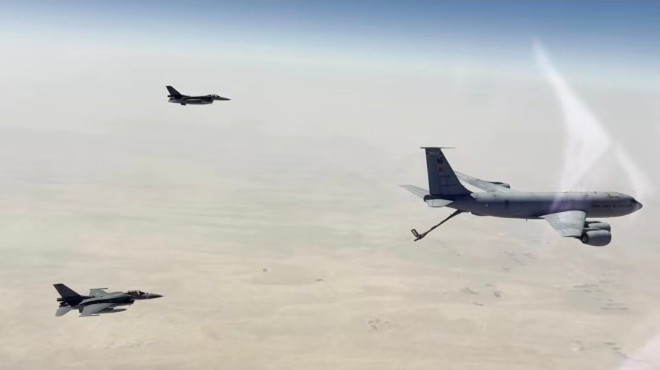
This logistical feat is the latest indicator of a broader transformation in regional security architecture. Since deploying three F-16s to Somalia on January 28, 2026, Turkey has moved beyond advisory roles to establish a sustained combat-capable presence. The jets operate under the Somali-Turkish Task Force Air Component Command, a structure that reflects the depth of the partnership formalized by a ten-year defense and economic cooperation agreement signed in 2024. While the ministry did not disclose the number of aircraft involved in the specific rotation or details of the aerial refueling support required for such distances, the announcement highlighted the operation as an “exceptional achievement” for fighter aircraft, signaling a shift from ground-based training to active air power projection.
The economic and strategic weight of this partnership is substantial. Turkey’s largest overseas military base, Camp TurkSom in Mogadishu, has become a hub for what analysts call the “Somalia model” of security cooperation. Over the past decade, Ankara has trained nearly 25,000 Somali soldiers, focusing heavily on junior officers to build institutional loyalty and capacity. This approach extends beyond tactical training to encompass logistics, intelligence, and defense industry cooperation. The relationship is now expanding into new sectors, including maritime security, offshore energy exploration, and, as announced by President Recep Tayyip Erdoğan in early October, the construction of a spaceport in Somalia.
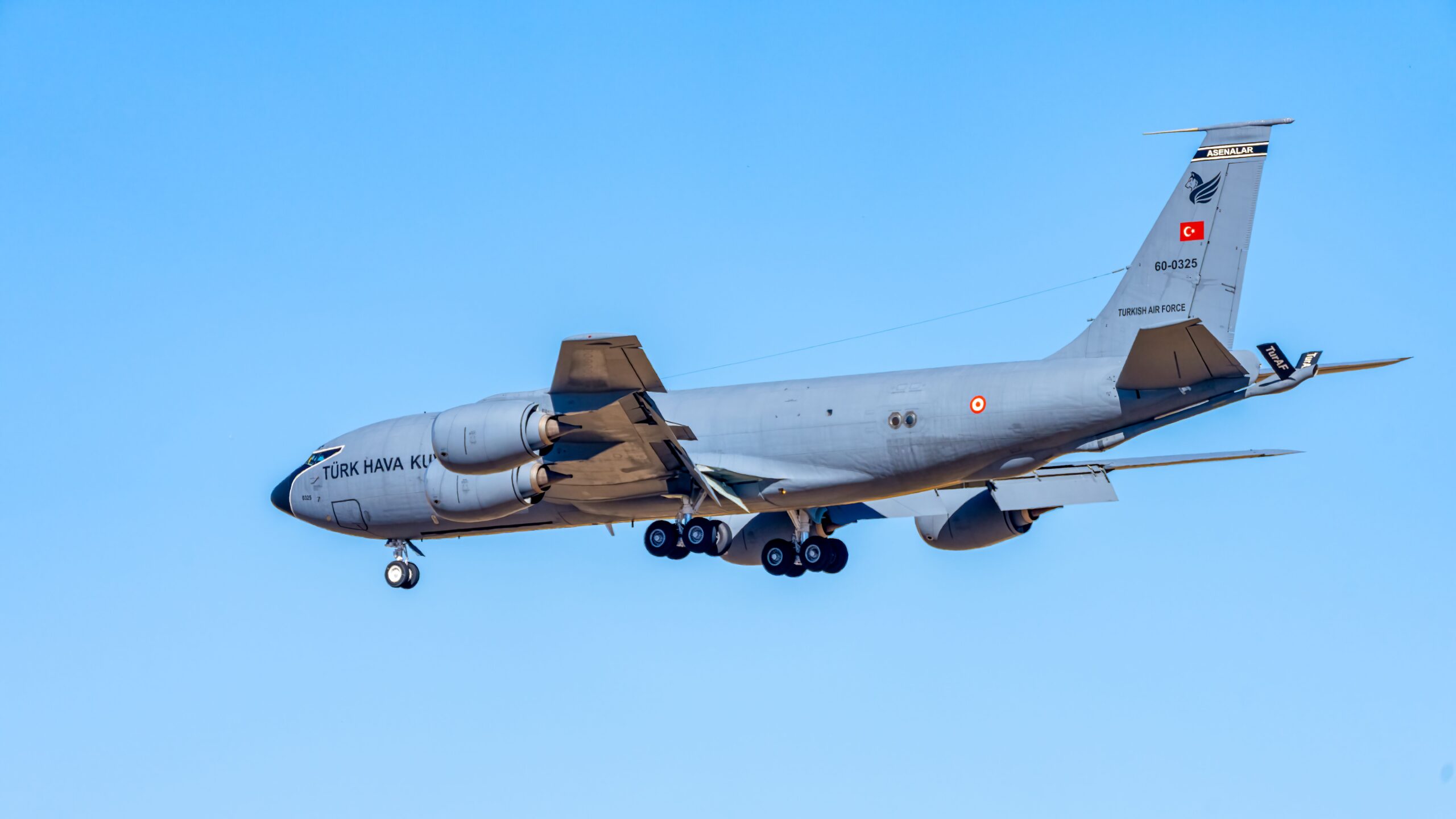
However, the deepening of the Turkish-Somali alliance is generating significant friction with other regional stakeholders who view Ankara’s growing influence as a threat to their strategic interests or economic holdings. In Kampala, the Uganda People’s Defence Forces (UPDF) announced the suspension of all defense and military cooperation with Türkiye with immediate effect. While Ugandan media initially linked the decision to protests outside the Turkish embassy demanding the extradition of political commentator Fred Lumbuye, sources familiar with the matter told Middle East Eye that the dispute was a “smoke screen.” The core issue, according to these sources, is the future of Uganda’s lucrative troop deployment in Somalia. Uganda maintains roughly 4,500 troops under the African Union Support and Stabilisation Mission in Somalia (Aussom) and a further 2,000 under a bilateral agreement. The sustainability of this deployment is threatened by the U.S. decision to end payments to the UN Support Office in Somalia by the end of the year, cutting off crucial logistical funding. Furthermore, Somalia has reportedly asked Uganda to end its deployment, citing the growing strength of Somali brigades trained by Turkey, which reduces Kampala’s leverage and revenue from the mission.
Simultaneously, Somaliland, a self-declared republic that is not recognized by Somalia or the international community, is seeking to counterbalance Turkey’s growing role by deepening security ties with Israel. Mohamed Osman Fadal, a senior Somaliland presidential foreign affairs adviser, stated that Hargeisa wants Israel to support its defenses against Turkey, specifically pointing to the deployment of Turkish F-16s and expanding drone capabilities. “We need air-defense systems,” Fadal said. “We want Israel to support us against Turkey.” While Somaliland’s defense minister denied that agreements exist for an Israeli naval base at the port of Berbera or the use of its airport—claims made by Somali President Hassan Sheikh Mohamud—he confirmed that Israel provides training to Somaliland’s military and police. This bifurcation of alliances highlights how Turkey’s military integration is forcing local actors to seek alternative security partners.
The political dimensions of this security shift are also manifesting in diplomatic subtleties. Despite the depth of military cooperation, Somalia has maintained its foreign policy independence, notably regarding Cyprus. When Somalia’s new parliament speaker, Abdulkadir Mohamed Nur, initially acknowledged a Turkish Cypriot official as the speaker of the “Turkish Republic of Northern Cyprus,” the Somali Foreign Ministry quickly issued a formal clarification. The ministry reaffirmed Mogadishu’s support for the sovereignty, unity, and territorial integrity of the Republic of Cyprus, stating that the initial communication did not represent a change in foreign policy. This episode illustrates that while Somalia relies heavily on Turkish security assistance, it does not act as a rubber stamp for Ankara’s broader geopolitical positions.
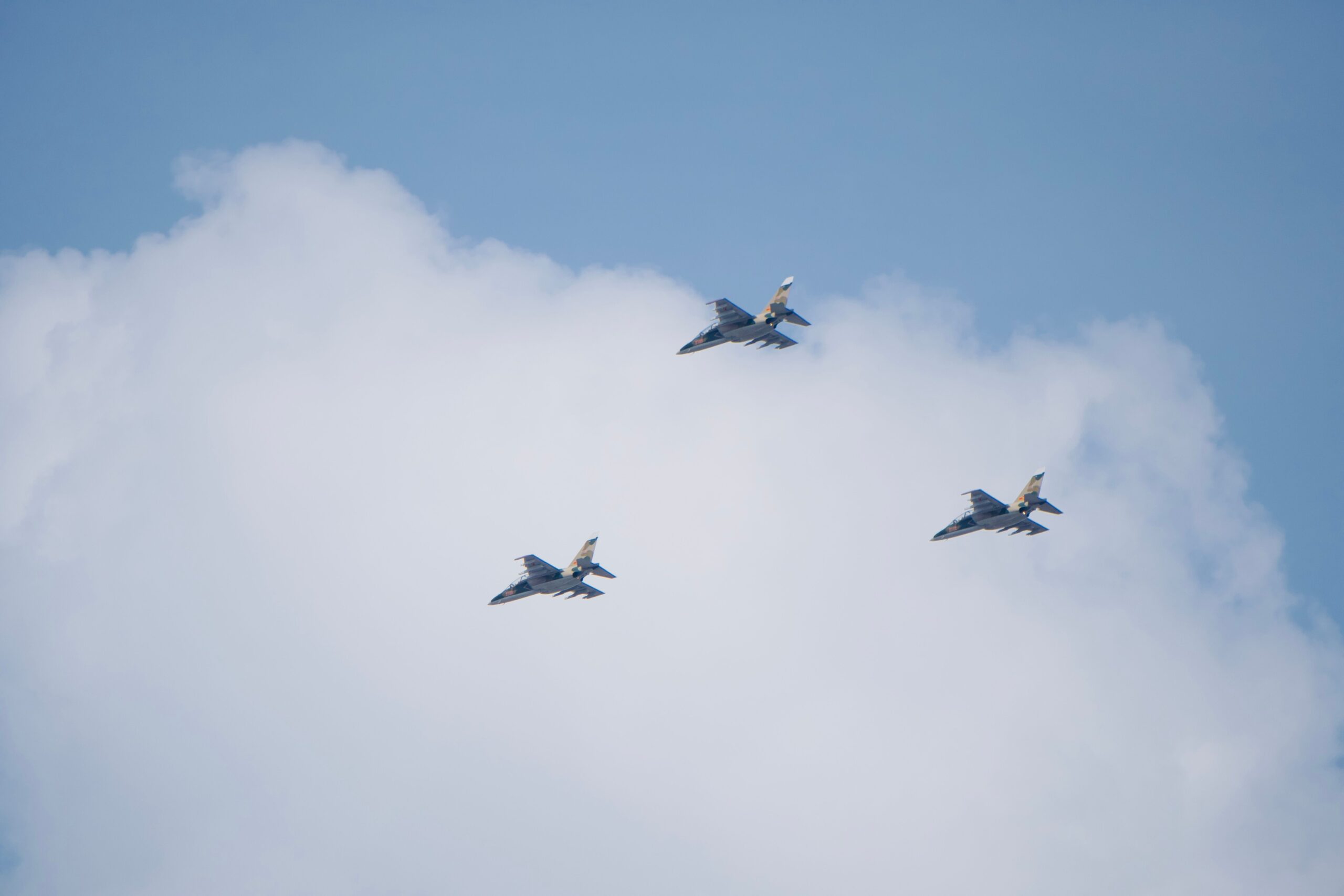
Türkiye’s strategy in Africa, which has also seen the graduation of special forces from Mali and Niger at its Isparta base, relies on building enduring relationships through capacity building rather than one-off arms sales. Security analyst Nebahat Tanrıverdi Yaşar notes that this approach builds deeper ties than traditional arms exports, such as the Bayraktar TB2 and Akinci drones sold to countries from Angola to Tunisia. For the Turkish government, the 11,038-kilometer flight from Mogadishu to Bandırma is not merely a logistical exercise; it is a demonstration of the reach and resilience of a security partnership that is increasingly central to the stability—and the strategic competition—of the Horn of Africa.
As the African Union mission in Somalia faces funding uncertainties and Uganda recalibrates its defense posture, the Turkish military’s presence in Mogadishu is becoming a pivotal variable in regional security calculations. The next phase of this development will likely be determined by the outcome of funding negotiations for the Aussom mission and the extent to which Somaliland can solidify its security arrangements with Israel, potentially creating a complex tripartite dynamic in the region.