President Claudia Sheinbaum responded to the escalating security crisis by announcing the deployment of 1,600 additional troops, including a roughly 90-member Special Forces unit. The federal government has prioritized Sinaloa, a state that has been caught in the crossfire of an internal organized crime war for more than a year. While authorities claim tactical gains, including increased drug seizures and the arrest of traffickers wanted by the United States, hard data indicates that overall violence has not decreased and continues to rise.
The military operations have produced a troubling backlash involving civilian casualties. Over the weekend, hundreds of residents in Culiacán protested the killing of a 24-year-old lawyer who was shot by a military unit while driving to the gym. Soldiers allegedly mistook him for a criminal target. This incident echoes a May case in Badiraguato, north of Culiacán, where two girls, aged seven and 11, died after being struck by military gunfire in another alleged case of mistaken identity.
Contextual reports indicate that the violence in Sinaloa is part of a broader regional instability. The removal of Nemesio “El Mencho” Oseguera Cervantes, leader of the Cártel Jalisco Nueva Generación, who died in custody Sunday after being captured in Jalisco, triggered coordinated retaliation across northern Mexico. In border cities such as Reynosa and Ciudad Juárez, authorities reported highway blockades and vehicles set on fire, prompting the U.S. Embassy to issue security alerts for Americans in Tamaulipas and other affected states.
Meanwhile, violence related to the Sinaloa cartel conflict has shifted geographically within the state. According to local reporting, the detention of Cristhian Guadalupe Pérez Pérez, alias “El Texas,” a plaza boss in Culiacán, led to a temporary lull in the capital. Consequently, violence has moved southward to Mazatlán, the state’s main tourist destination. In the first week of August, officials recorded up to 32 violent events in southern Sinaloa, resulting in 14 confirmed homicides and eight injuries, including three state police officers attacked by drones.
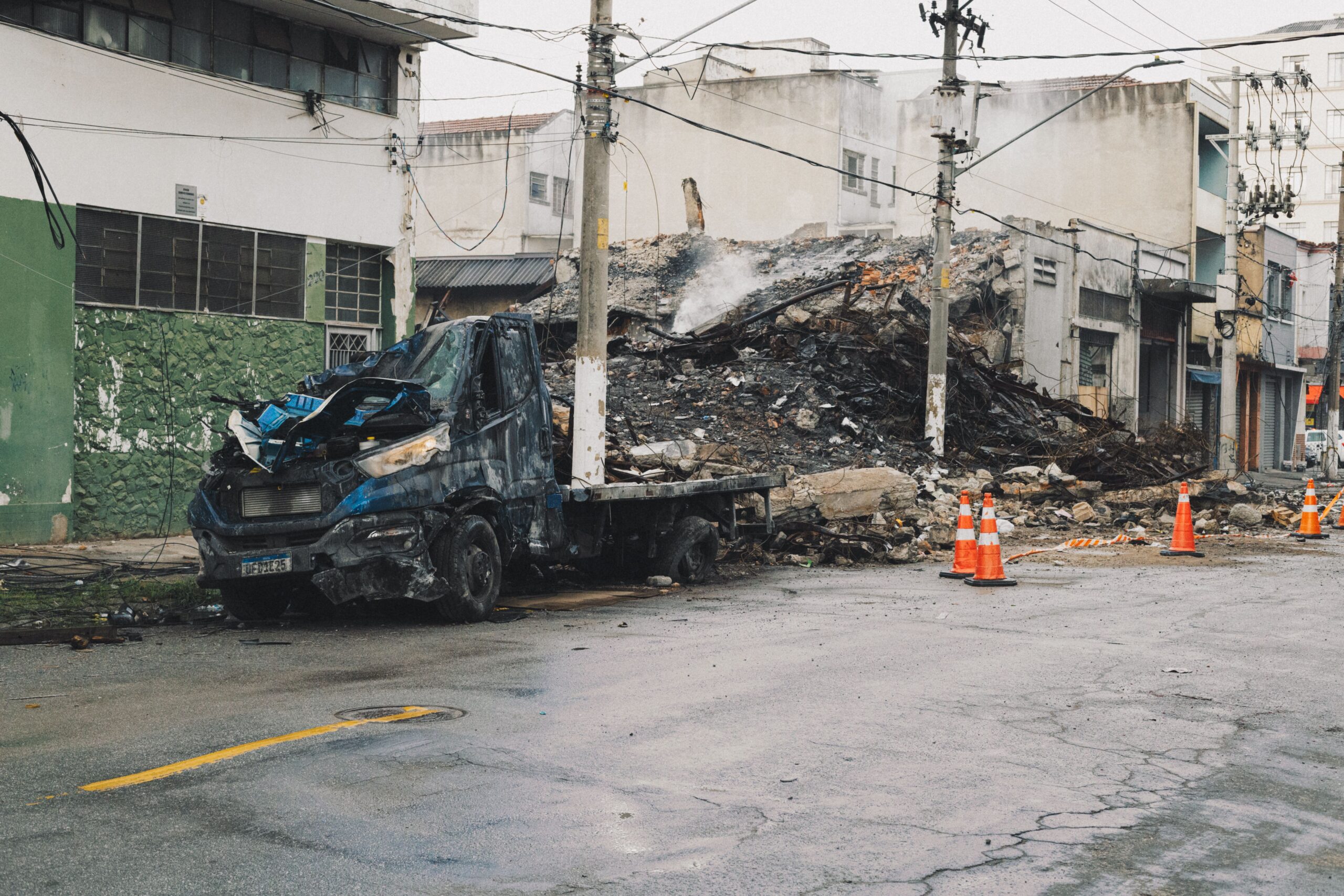
Authorities maintain that removing or dividing cartel leadership does not dissolve the enterprise, as factions reorganize around existing trafficking routes and revenue streams. The state continues to apply force, but market incentives for the organizations remain intact. The next expected development includes President Sheinbaum’s imminent trip to Sinaloa to meet with local authorities, business leaders, and civic groups to address the ongoing security situation.