
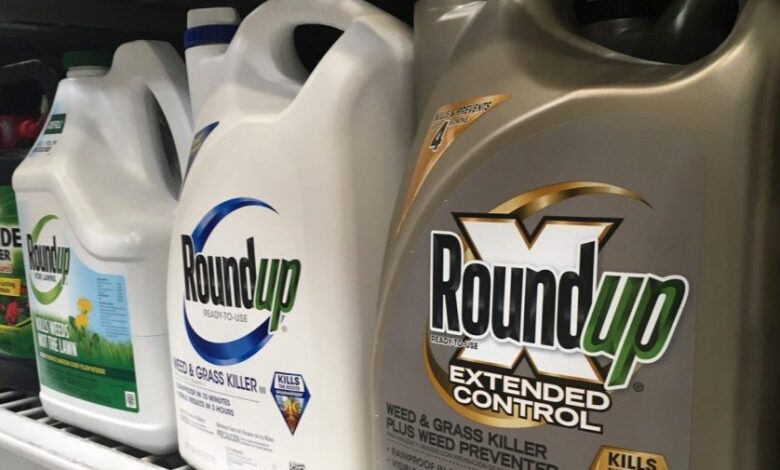
The settlement, initially announced in February, establishes a special fund into which Bayer will pay up to $7.25 billion over the next 21 years. The agreement covers individuals who have already been diagnosed with non-Hodgkin lymphoma after using Roundup, as well as those who may be diagnosed in the future following previous exposure. Individual compensation is expected to average between $10,000 and $165,000, determined by factors including the claimant’s age, the severity of the illness, and the duration of exposure. According to company data, Bayer faced approximately 65,000 such claims in US state and federal courts, a figure that has weighed heavily on the company’s financials since its 2018 acquisition of Roundup producer Monsanto for $63 billion.
Judge Boyer ruled that the proposed agreement was “fair, reasonable, and adequate,” rejecting objections raised by some plaintiff attorneys who argued that the payout amounts were too low compared to settlements reached in earlier phases of the litigation. In his ruling, the judge emphasized the practical urgency of the case, noting that further delays could leave seriously ill patients, including those with terminal diagnoses, waiting an “indeterminate number of years” for compensation. The court’s order effectively overrides these procedural objections to ensure timely distribution of funds.
The approval of this settlement follows a pivotal legal development at the US Supreme Court. In June, the Supreme Court issued a 7-2 decision in the case of John Durnell, a Missouri man who had received a $1.25 million jury award for non-Hodgkin lymphoma allegedly caused by glyphosate. The Court ruled that federal pesticide regulations preempted state-law failure-to-warn claims, meaning Bayer could not be sued under state laws for not including cancer warnings on Roundup packaging. This decision significantly altered the legal landscape, undermining a central pillar of many individual lawsuits and making it substantially more difficult for plaintiffs to pursue new claims outside the settlement framework.
Christopher Seeger, a lawyer representing many of the cancer victims, welcomed the final approval order, stating that it delivers “guaranteed compensation” to victims who have waited more than a decade for resolution. “We look forward to getting this relief into the hands of all Roundup victims as quickly as possible,” Seeger said. However, not all legal representatives have expressed satisfaction; some lawyers objected to the settlement terms, arguing the payments were insufficient, though they have not publicly elaborated further since the judge’s rejection of their objections.
For Bayer, the settlement represents a critical step in mitigating financial and reputational risk. CEO Bill Anderson described the court’s final approval as a “decisive milestone” in the company’s strategy to manage both pending and future Roundup litigation. The legal exposure has had a tangible impact on the company’s market performance, with Bayer’s share price falling by 46% since the Monsanto takeover. The company has already set aside $16 billion for Roundup-related legal costs and previously settled much of the existing litigation for $10.9 billion in 2020, although it had previously failed to secure court approval for a separate $1.25 billion agreement covering future cases.
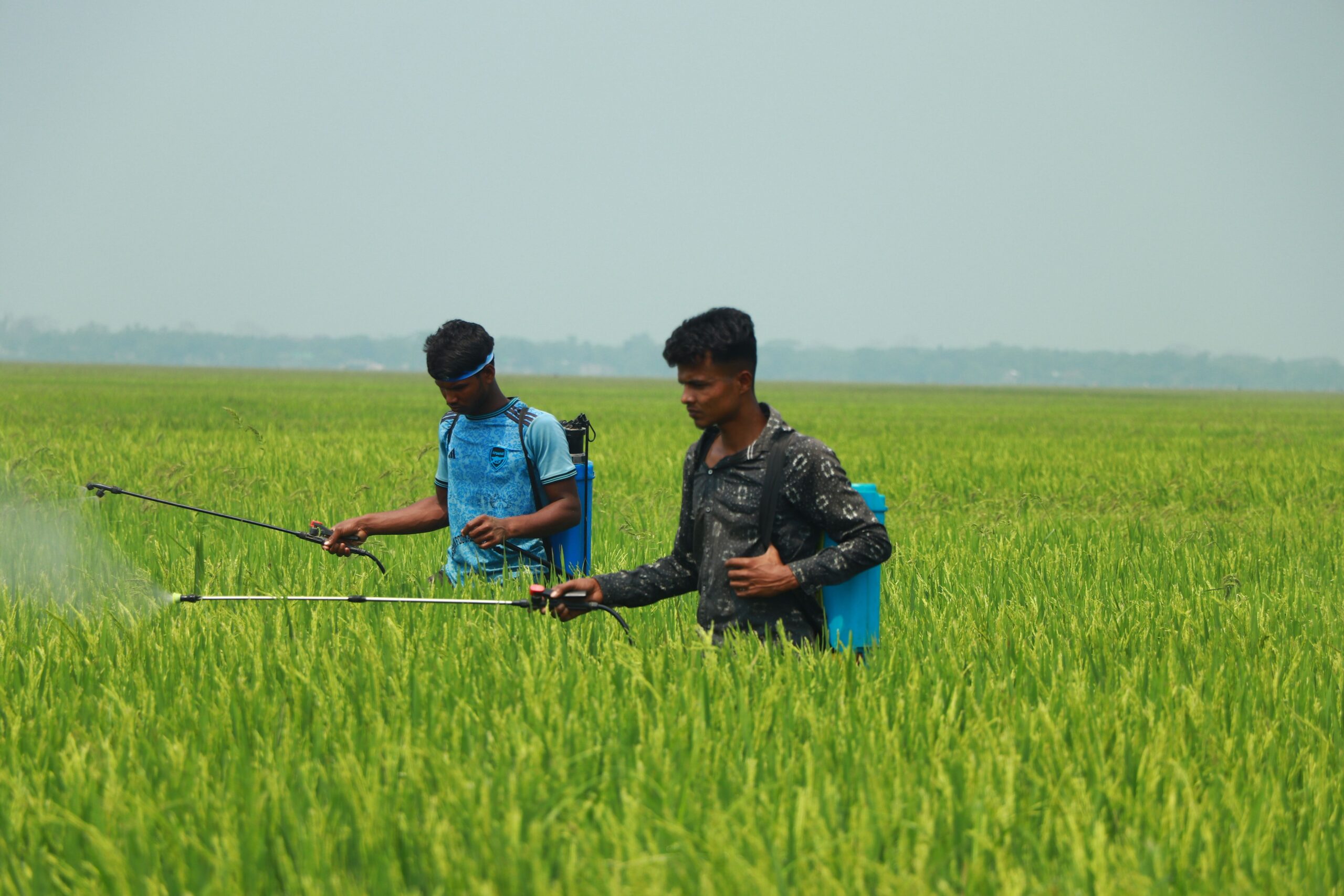
The scientific and regulatory status of glyphosate, the active ingredient in Roundup, remains a point of contention. Bayer has long maintained that decades of studies demonstrate that glyphosate is safe and does not cause cancer. The company has also removed glyphosate from newer versions of Roundup sold to private consumers in the United States. Regulatory bodies disagree on the risks: in 2015, the World Health Organization’s International Agency for Research on Cancer classified glyphosate as “probably carcinogenic” to humans, while the US Environmental Protection Agency has stated that the evidence does not support a conclusion that glyphosate causes cancer.
While the settlement resolves the vast majority of claims, legal proceedings continue for a subset of cases. Bayer indicated that approximately 200 lawsuits remain in federal courts, arguing that the Supreme Court’s preemption ruling provides strong defenses in those remaining instances. The settlement also excludes certain claims that do not fit the specific criteria for inclusion in the fund. As the fund is established and payments begin, the focus will shift to the administrative process of verifying claims and distributing funds, while the remaining federal cases proceed independently of this global resolution.