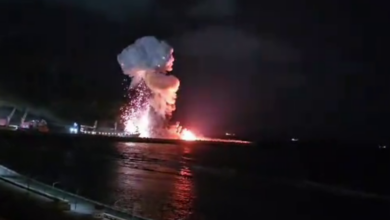

Lithuania has denied any role in the alleged drone attack. Russian authorities claimed that drones struck the main base of its Baltic Fleet. However, local authorities in Kaliningrad initially stated that an air raid alert had been a training exercise triggered by a false warning about an aerial target coming from Lithuania. Less than an hour later, sirens sounded again, and residents reported further explosions and drone activity.
Ukrainian monitoring channel Exilenova+ reported that the initial alert was declared in Kaliningrad Oblast before the subsequent explosions. The Ukrainian OSINT group Dnipro Osint stated it had geolocated footage of the air defense activity in Baltiysk and suggested that port infrastructure could have been targeted. These claims have not been independently confirmed, and no damage to military or port infrastructure has been verified.
Earlier on 21 November, the Russian-flagged container ship Sparta II caught fire after being struck by drones in the Gulf of Finland. The vessel lost maneuverability and drifted into Finnish territorial waters while sailing from St. Petersburg toward Kaliningrad. Finnish Border Guard Commander Ilja Iljin said the ship has links to the Russian Defense Ministry and may have been carrying military equipment, although its cargo remained unconfirmed. The crew evacuated without injuries and was transferred to another Russian vessel.
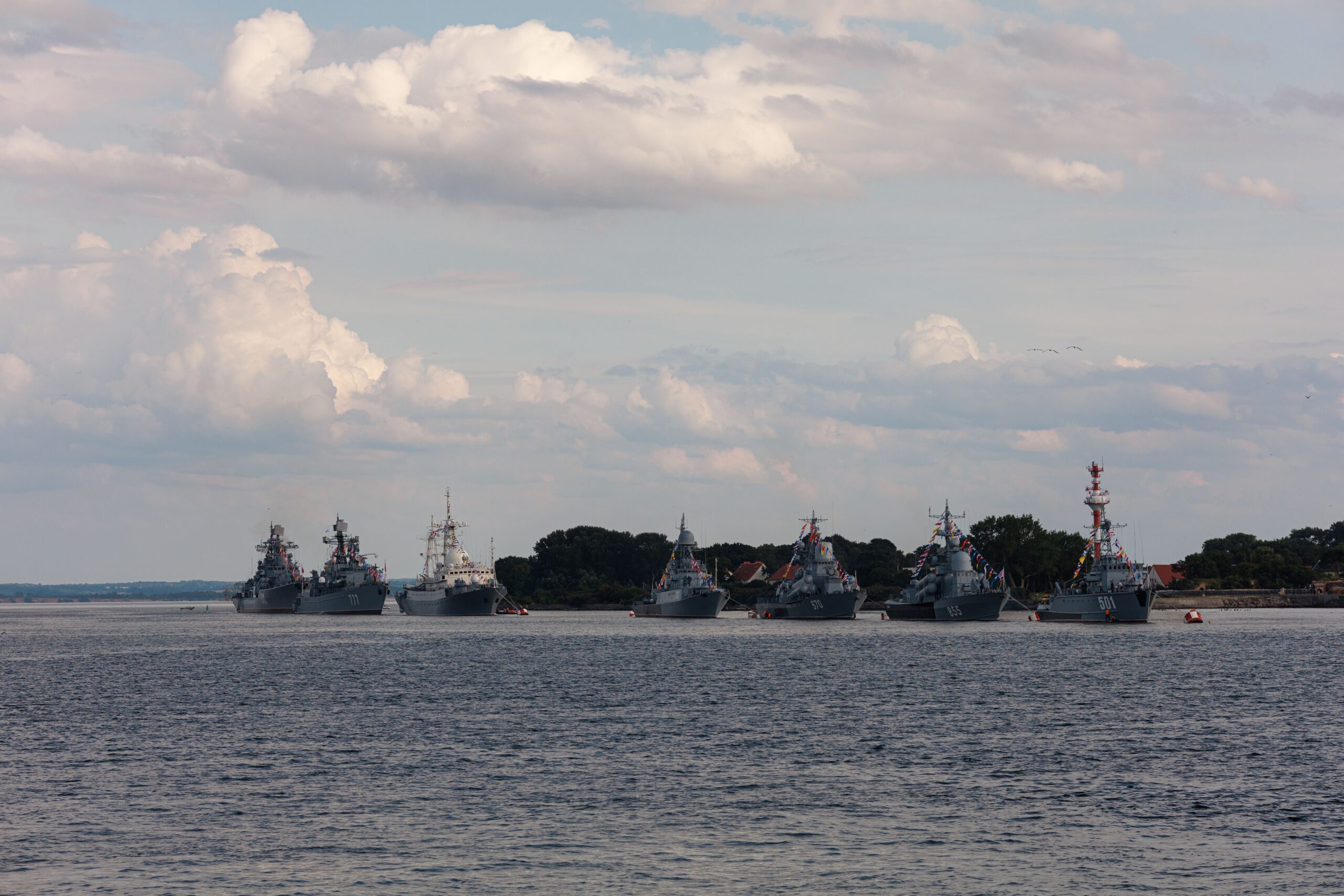
Russian rescue ships joined firefighting operations, but the fire had not been extinguished as of the latest reports. Finnish authorities stated the plan was to tow the damaged ship back to Russian waters. The incident highlights the heightened security environment in the Baltic Sea, where the Kaliningrad exclave hosts significant Russian naval assets.