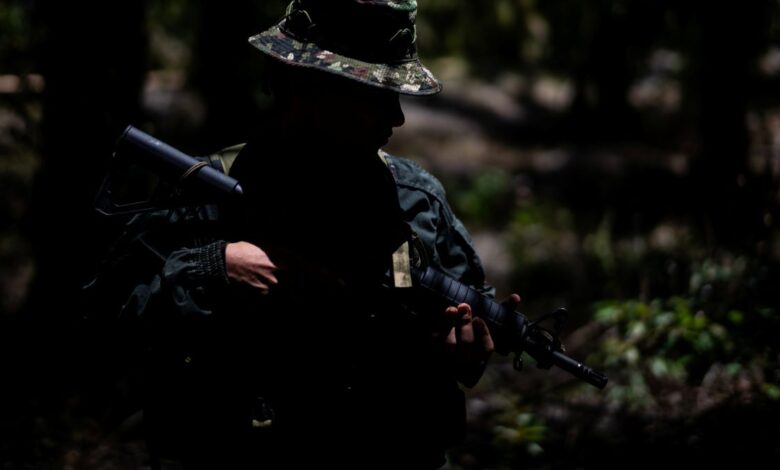
The combatants in the Guaviare clashes were dissident factions of the FARC, which rejected the 2016 peace agreement that allowed approximately 13,000 members to demobilize. The fighting was between a group led by Néstor Gregorio Vera, known as Iván Mordisco, and another led by Alexander Díaz Mendoza, known as Calarcá Córdoba. Vera’s faction remains in conflict with authorities after the government suspended a bilateral ceasefire with it in 2024. In contrast, Díaz Mendoza’s group is currently engaged in peace talks with President Gustavo Petro. Although the FARC’s largest dissident group, the Central General Staff, announced a suspension of military operations against public forces between May 20 and June 10, this pause did not extend to confrontations between rival non-state armed groups.
Amid this ongoing conflict, Human Rights Watch released a report stating that child recruitment by armed groups has increased due to ineffective government responses. According to data from the Ombudsperson Office reviewed by the organization, at least 1,500 children have been recruited since 2021, with a sharp rise in cases reported since 2023. Dissident FARC groups are responsible for the vast majority of these cases, with more than half concentrated in the southwestern state of Cauca. Indigenous communities account for nearly half of all reported cases despite comprising only 4 percent of Colombia’s population. Over 30 percent of the recruited children were between the ages of 10 and 14, an act considered a war crime under international law.
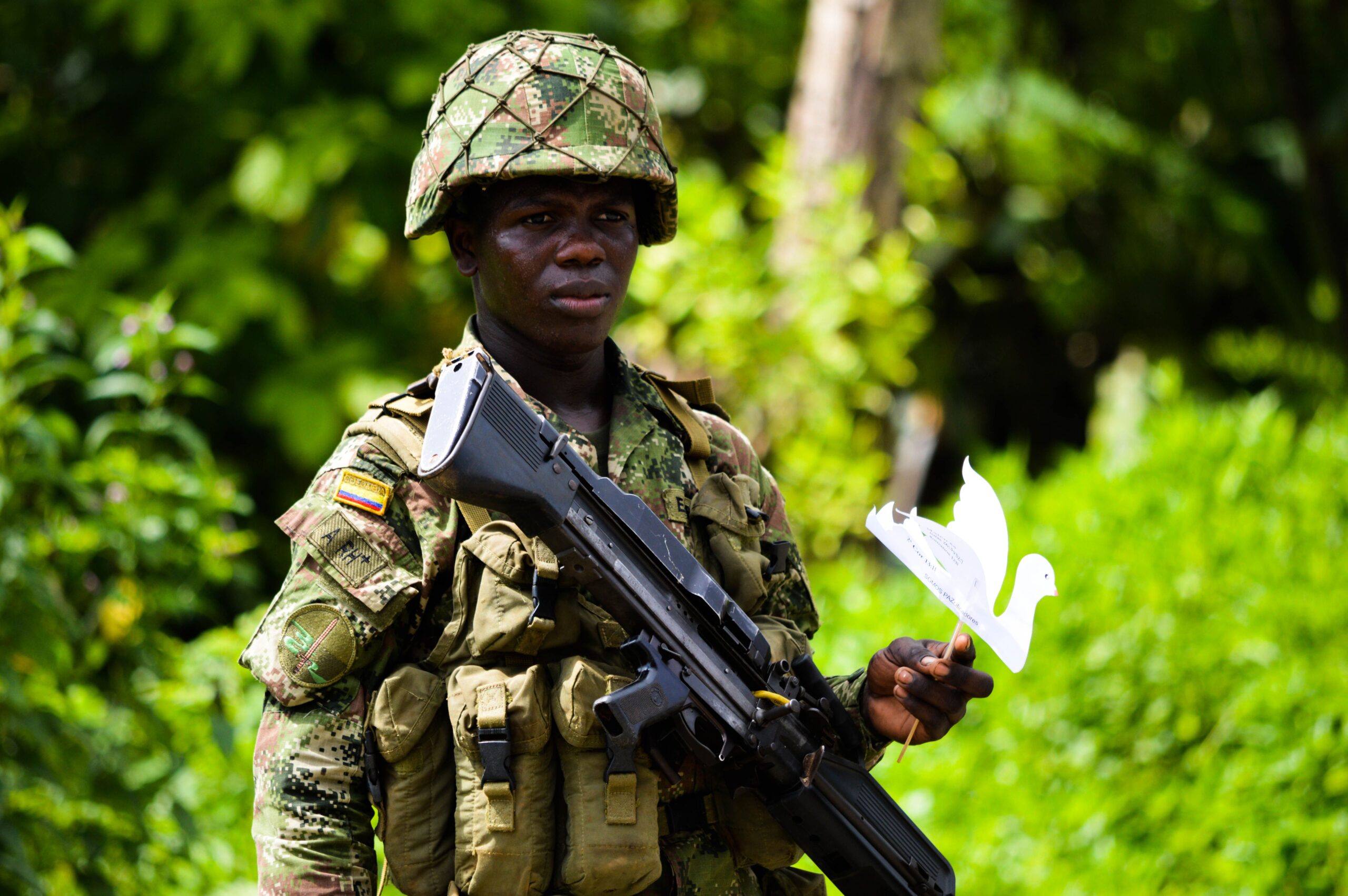
The report details how armed groups exploit poverty, social exclusion, and barriers to education to recruit children, often using intermediaries paid up to US$1,000 per child. Researchers noted that social media platforms, including Facebook and TikTok, have become significant recruiting grounds, with groups using them to glorify membership and make deceptive job offers. Human Rights Watch stated that these platforms have failed to effectively detect or remove such content, with algorithms potentially promoting posts that expand the armed groups’ reach. The organization emphasized that every recruited child indicates a failure in state protection systems, urging the new administration to prioritize protection over military force.
The broader armed conflict in Colombia, ongoing for more than six decades and financed primarily by drug trafficking and illegal mining, has resulted in more than 450,000 deaths and millions of displaced persons. While the National Liberation Army (ELN) also announced a separate ceasefire ahead of recent elections, the suspension of hostilities by the FARC’s Central General Staff does not guarantee an end to intra-group violence. The next phase of official engagement will involve the continuation of peace talks with Díaz Mendoza’s faction, while the government maintains its security posture against groups like Vera’s that remain in active conflict with state forces.