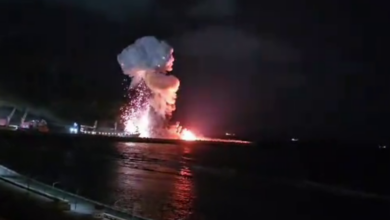

The immediate defense significance of this event lies not in the scale of the impact, but in its location and the implications for alliance security. Nowy Lipowiec is situated in the Lublin Voivodeship, a region that has historically served as a logistical hub for military aid flowing into Ukraine. The proximity to the active conflict zone places this area within the potential flight path of long-range weapons systems, including ballistic missiles, cruise missiles, or advanced unmanned aerial vehicles, often employed in deep-strike operations. When such systems operate near national borders, the risk of inadvertent or deliberate incursions into allied airspace increases, creating a complex geopolitical and military calculus for NATO command structures.
Operationally, the incident highlights the limitations of current air defense architectures in managing the “gray zone” of hybrid threats. Modern air defense systems, such as the Patriot, S-300, or Iron Dome, are designed to intercept threats before they reach high-value targets or populated areas. However, the presence of a downed missile fragment or a full impact in a residential area suggests either a failure in interception, a miscalculation in flight trajectory, or a deliberate tactic of firing over allied territory to test reactions. For NATO, the primary objective now is to determine the nature of the breach: was it a technical malfunction, a navigational error by a belligerent party, or a calculated provocation? This distinction is critical for determining the appropriate response under Article 5 of the NATO treaty, which states that an armed attack against one member is an attack against all.
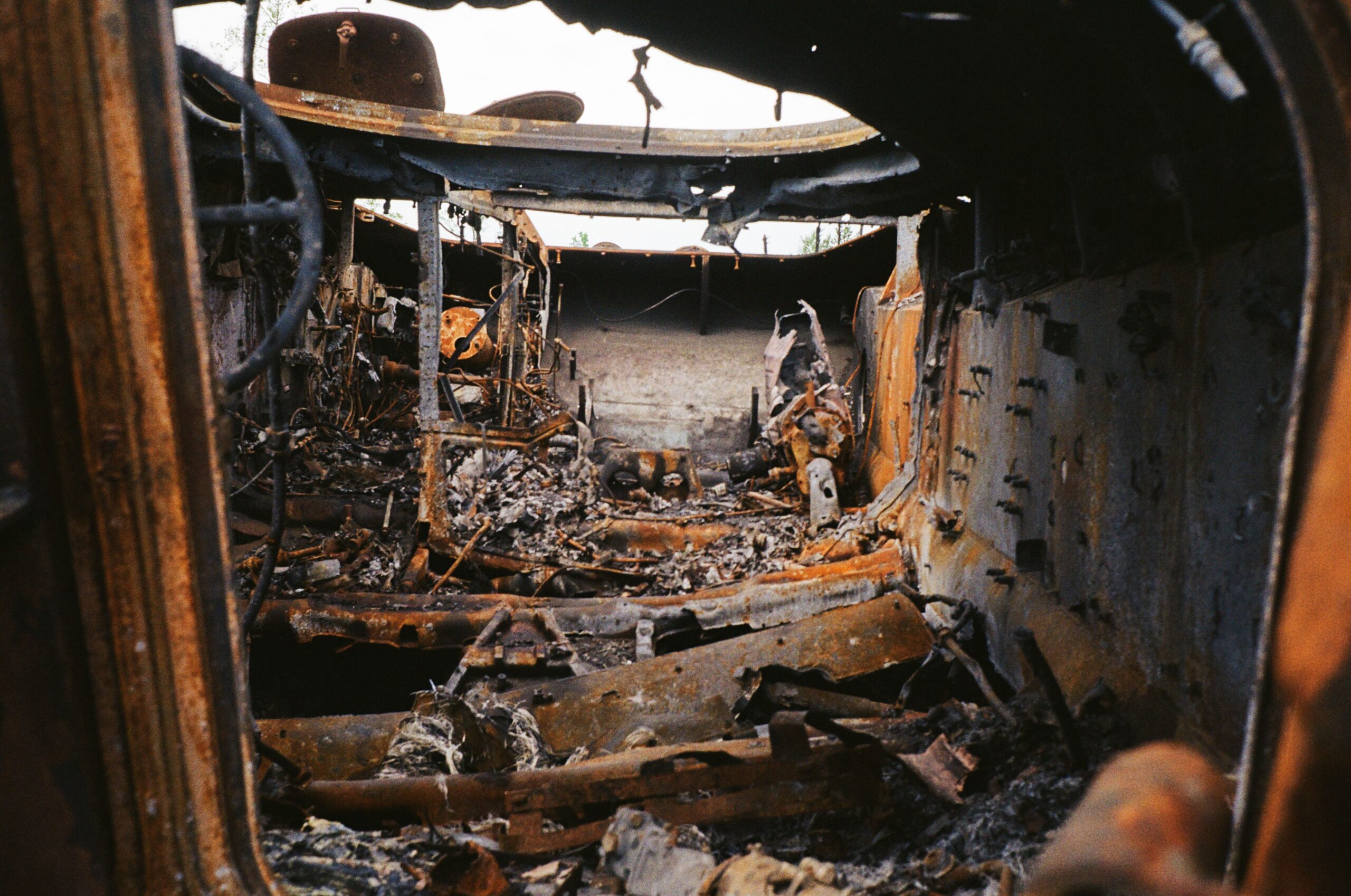
The logistical and geographic constraints of the region add layers of complexity to the security analysis. The Polish-Ukrainian border is a porous frontier in terms of humanitarian and military logistics, with thousands of vehicles and personnel crossing daily. Securing this corridor against aerial threats requires a dense network of radar surveillance and integrated air defense systems. The incident at Nowy Lipowiec serves as a stark reminder that the risk of collateral damage or direct impact is not confined to the combat zone but extends into neighboring sovereign states. This reality forces NATO to balance the need for robust air defense coverage with the political sensitivity of deploying heavy military assets on the territory of member states that have historically maintained non-aligned or neutral stances regarding direct involvement in the Ukraine conflict.
The consequences for deterrence and regional security are multifaceted. On one hand, the incident demonstrates the vulnerability of allied territory to long-range strike capabilities, reinforcing the need for enhanced early warning systems and multi-layered air defense. On the other hand, it introduces a degree of uncertainty into the strategic environment, where the lines between direct conflict and spillover effects become blurred. For NATO, the response must be calibrated to deter further incidents without escalating tensions to a level that could trigger a broader conventional conflict. This involves a combination of diplomatic pressure, increased military vigilance, and potentially the deployment of additional air defense assets to reinforce the eastern flank.
What remains disputed and unverified at this stage is the exact origin of the missile and the intent behind its trajectory. Official military claims from both sides of the conflict have not yet provided definitive evidence linking the projectile to a specific launch site or command structure. Intelligence assessments are likely focused on analyzing the debris, radar data, and signal intelligence to reconstruct the flight path. Until such evidence is confirmed, any attribution remains speculative. The incident also raises questions about the effectiveness of current deconfliction mechanisms between conflicting parties and allied nations, suggesting that existing protocols may be insufficient to prevent such breaches in a high-intensity operational environment.

Human consequences of the incident are documented primarily through the physical impact on the village of Nowy Lipowiec. While specific casualty figures have not been provided in the initial reports, the presence of a missile crash in a residential area implies potential damage to infrastructure and risk to civilian life. The psychological impact on local communities, who are now living in the shadow of active combat zones, is a significant factor that defense planners must consider. The incident serves as a tangible demonstration of the risks faced by civilians in border regions, where the abstract concept of national security becomes a immediate, physical threat to daily life.
As NATO convenes for its emergency meeting, the focus will be on formulating a unified response that addresses the security implications of the incident while managing the political fallout. The alliance must determine whether the incident warrants a formal condemnation, an increase in military deployments, or a shift in diplomatic strategy. The next confirmed development will likely involve the release of official statements from NATO headquarters, as well as further technical analyses from military experts. The situation in Nowy Lipowiec remains a focal point for international attention, symbolizing the expanding scope of a conflict that was initially contained within Ukraine’s borders but now poses direct challenges to the security architecture of the entire region. The response to this incident will set a precedent for how NATO handles future airspace violations, balancing the need for firm deterrence with the imperative to avoid unnecessary escalation.