The central point of contention is the removal of any mention of fossil fuels from the draft agreement. An initial draft released by cohost and lead negotiator Australia on Monday had called for a faster phase-out of fossil fuels. However, a slimmer revision introduced on Thursday deleted every reference to these fuels following objections from Saudi Arabia and other major oil and gas producers. This pattern of resistance is consistent with previous negotiations, including COP28 in 2023, where similar language was contested by producing nations. The European Union has sharply criticized the revised text, stating it “risks turning this climate COP into a fossil summit.”
The removal of fossil fuel language is not the only significant omission. The revised draft also dropped a target to mobilize $120 billion to assist poorer countries in adapting to the physical impacts of climate change. This financial shortfall has drawn sharp condemnation from developing nations who argue that wealthy countries are failing to meet their historical obligations. Zanetor Agyeman-Rawlings, Ghana’s environment minister, expressed the frustration of the Global South, stating, “We didn’t come here to beg.” The dispute highlights a growing divide between nations seeking concrete funding mechanisms and those resisting binding financial commitments.

Furthermore, the draft proposes raising the share of the world’s final energy consumption derived from electricity to 35 percent by 2035. However, the text does not specify that this electricity must be generated from renewable sources, leading to conflicts over the inclusion of the word “clean” in the target. Additionally, the draft includes a push to expand carbon capture technology, a method that traps emissions from power plants and factories. Several nations, including Vanuatu, have rejected this provision, labeling it a “false solution.” Ralph Regenvanu, Vanuatu’s climate minister, argued that the technology is costly and unproven, and could serve as a mechanism for polluters to continue burning oil and gas. “We want to see the references to false solutions removed,” Regenvanu said.
The diplomatic pressure has intensified, with Panama, joined by a dozen other countries, threatening to walk away from the talks if the final document does not include a clear transition away from fossil fuels. “It is not acceptable to have a COP or a cover document that does not even mention fossil fuels, and we simply will not put up with it,” said Juan Carlos Navarro, Panama’s environment minister. The absence of the United States, the largest historical emitter, for a second consecutive year has further complicated the negotiations. President Donald Trump’s administration ended climate cooperation, leaving a significant gap in global leadership. Additionally, geopolitical tensions, including the US-Israel war on Iran, and higher living costs have diverted global attention away from the summit.
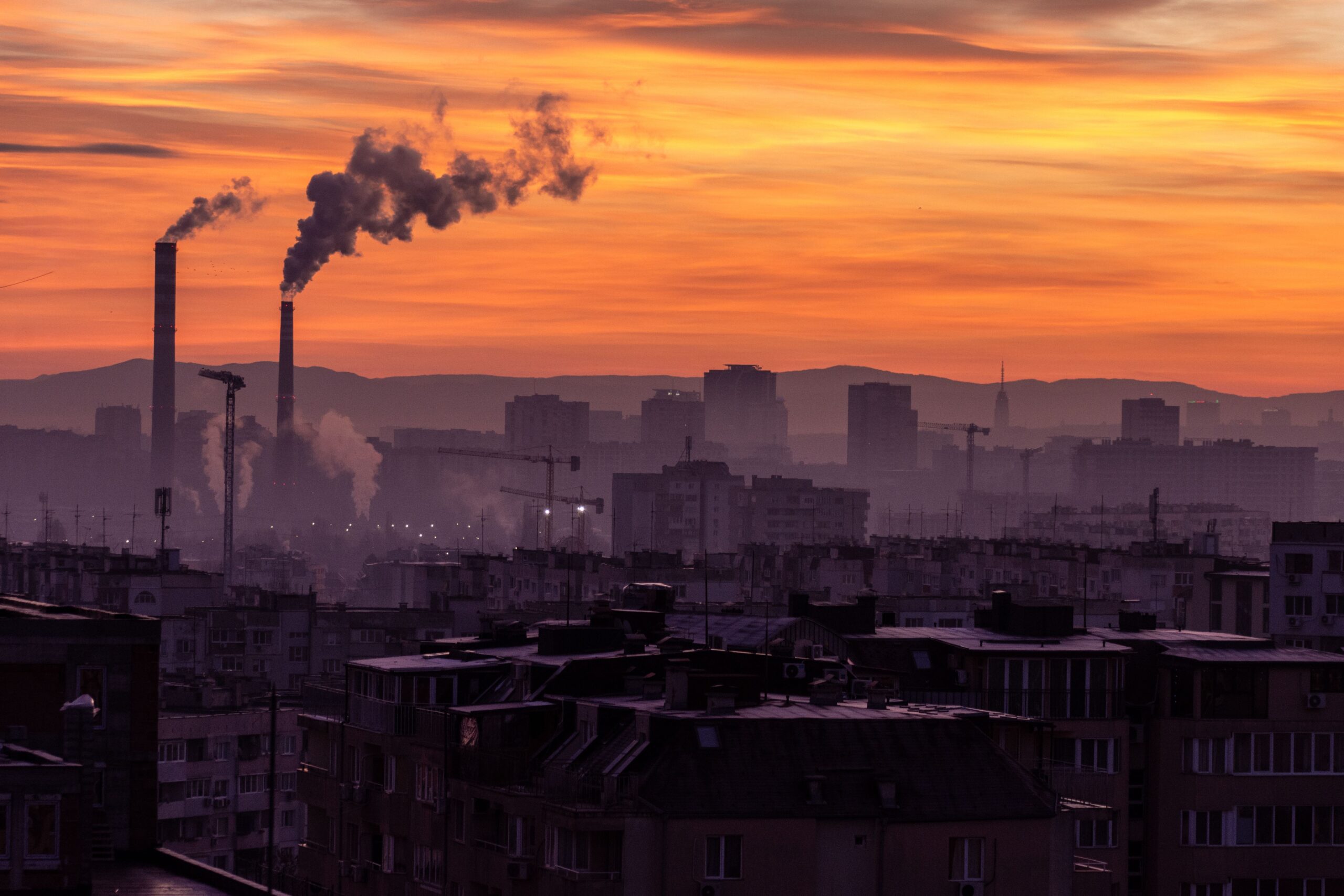
The stakes of this deadlock are underscored by recent scientific assessments. A UN report released last month indicated that the world is set to exceed the 1.5-degree-Celsius (2.7F) warming limit established under the 2015 Paris Agreement. Mohamed Adow, director of the think tank Power Shift Africa, described the current state of the summit as lacking ambition, stating, “This has been the worst COP ever.” While COP31 President and Turkiye’s Environment Minister Murat Kurum told delegates that the summit is “close to the finish line,” the lack of a wider political deal means the technical matters approved in the late closing session on Friday do not resolve the core conflicts.
A third draft is expected to be released on Saturday, according to the AFP news agency. The coming hours will determine whether the summit can bridge the gap between the demands of the Global South for finance and transition, and the resistance of fossil fuel producers. Without a comprehensive agreement that addresses both the source of emissions and the financial support for adaptation, the outcome of COP31 may fail to provide the necessary momentum to curb the worsening climate crisis.