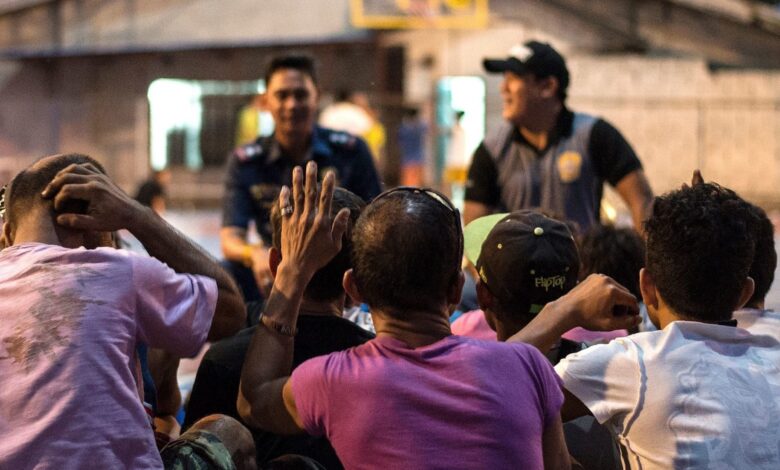
This decision represents a significant escalation in the legal and diplomatic confrontation between the ICC and the Philippine state. While the Philippines has a long history of impunity regarding human rights violations, Amnesty International and other observers note that the situation deteriorated significantly after 2016, when the Duterte administration launched a widespread and systematic campaign against alleged drug suspects. Agnès Callamard, Secretary General of Amnesty International, characterized the ICC’s intervention as a “moment of hope” for thousands of bereaved families and a crucial step in ending the cycle of impunity.
The legal basis for the ICC’s involvement rests on the principle of complementarity and the temporal jurisdiction of the Court. The Philippines was a state party to the Rome Statute during the initial period of the alleged crimes. In February 2018, the ICC launched a preliminary examination into possible crimes committed in the country. In response, President Duterte announced in March 2018 that the Philippines would withdraw from the Court. However, the withdrawal does not negate the Court’s jurisdiction over crimes committed while the country was still a member. This distinction is central to the current legal maneuvering, as the Philippine government has historically resisted the ICC’s authority, viewing it as an infringement on national sovereignty.
Human rights experts and UN bodies have consistently documented the scale of the violence. UN rights experts have urged the Philippines to end a wave of extrajudicial killings amid the major drug crackdown, describing state-sanctioned killing and incitement to violence by government officials as having become the norm under the Duterte administration. The evidence cited in these reports points to a pattern where police and individuals linked to the police continue to carry out or sanction killings with little to no domestic accountability. The ICC Prosecutor’s office argues that this “absolute impunity” necessitates international intervention to ensure that those responsible cannot escape justice.
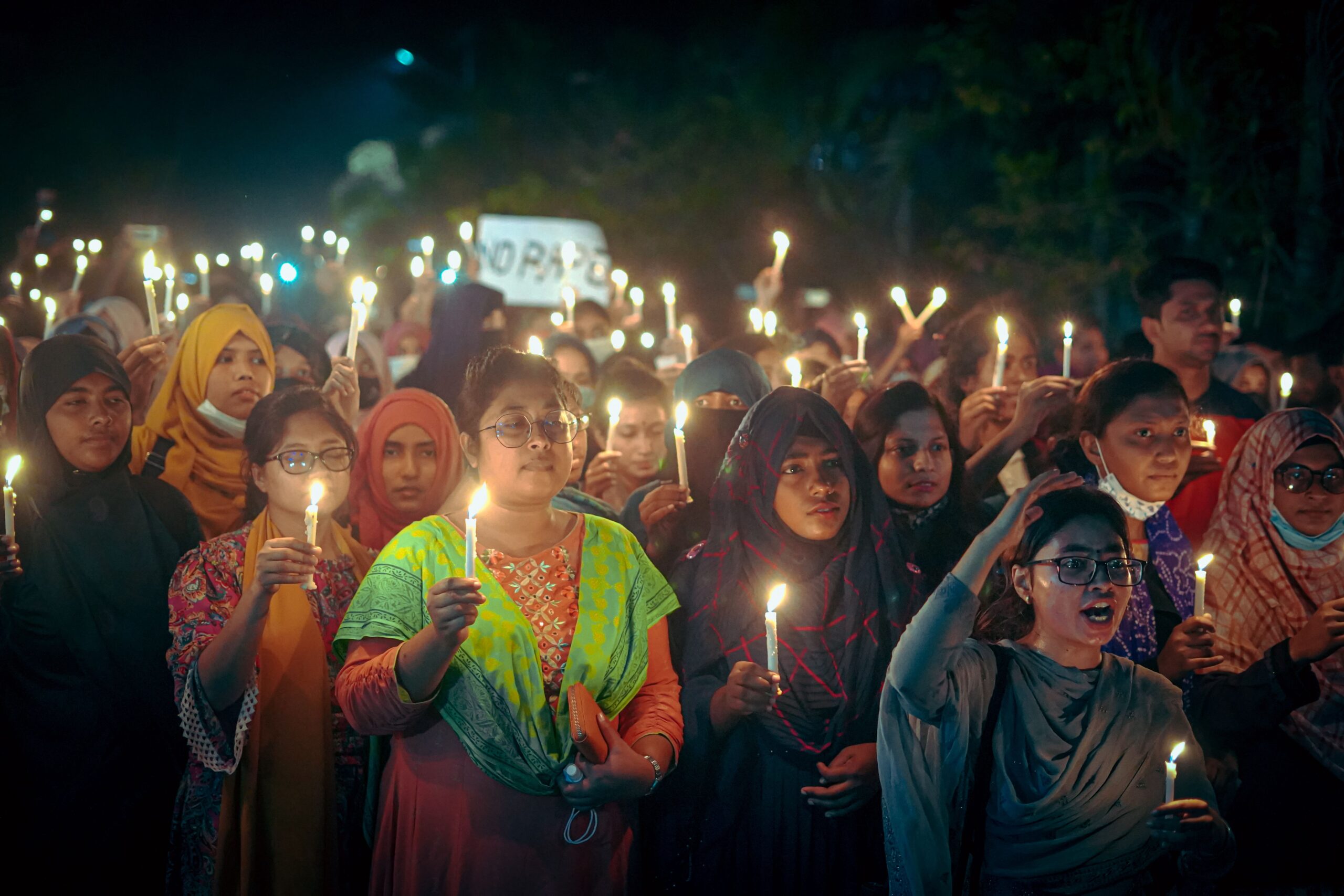
The geopolitical and diplomatic implications of this investigation are profound. The ICC’s request for authorization places the Philippine government in a difficult position. While the country is no longer a member of the Court, the international community, including various states and human rights organizations, is calling for full cooperation. Callamard emphasized that all states must offer their full cooperation to the ICC Prosecutor’s office to ensure the investigation proceeds as quickly as possible. She further stressed the responsibility of Philippine authorities and human rights groups to preserve evidence and the Court’s duty to protect those who may assist in the investigation.
Despite the formal withdrawal, there are indications of a nuanced diplomatic approach by Manila. Reports indicate that the Philippines would allow a UN inquiry by a “credible, objective” investigator. This suggests a potential channel for accountability that bypasses the direct jurisdiction of the ICC, although the ICC’s independent investigation remains a parallel and distinct legal track. The tension lies in the differing standards of legitimacy and independence that Manila and the international legal community apply to such inquiries. For the ICC, the investigation is a matter of enforcing international criminal law; for the Philippine state, it is a matter of managing domestic stability and international reputation.
The impact of these developments extends beyond the courtroom. For the thousands of families who lost relatives to the drug war, the ICC’s action offers a formal avenue for seeking justice that domestic courts have largely failed to provide. The “much-awaited step,” as described by Amnesty International, signals a shift in the global approach to state-sponsored violence. It challenges the notion that sovereign immunity can shield heads of state and their agents from accountability for crimes against humanity. The investigation will likely require extensive evidence gathering, witness protection, and international cooperation, posing significant logistical and political challenges.

As the ICC judges consider the Prosecutor’s request, the situation in the Philippines remains volatile. The domestic political landscape is shaped by the legacy of the drug war, with strong support for the administration’s hardline tactics among certain segments of the population, yet growing international isolation if cooperation with international bodies is refused. The next critical step is the decision by the ICC Pre-Trial Chamber to authorize the investigation. If granted, the investigation will likely involve the collection of vast amounts of evidence, including forensic data, police records, and witness testimonies. The outcome of this process will set a precedent for the enforceability of international criminal law against non-cooperative states and the limits of sovereign immunity in the face of systemic human rights abuses.
Back in Manila, the return of Agnès Callamard and other international observers to the city underscores the continued scrutiny on the country. The presence of these figures serves as a tangible reminder of the global attention on the Philippines’ human rights record. The unresolved tension between the Philippine government’s assertion of sovereignty and its international legal obligations remains the central challenge. While the ICC’s investigation moves forward, the immediate need for an end to extrajudicial killings and the preservation of evidence remains urgent. The coming months will determine whether the international community can translate its legal mechanisms into tangible accountability for the victims of the drug war, or whether political resistance will continue to obstruct the pursuit of justice.