Infrastructure Upgrades and Capacity Constraints
The primary driver for the November 12 outage is the replacement of the existing 364MVA single-circuit transmission line with a modern double-circuit line rated at 2 × 488MVA. This upgrade will increase the line’s combined capacity to 976MVA, significantly enhancing the amount of electricity that can be transmitted to the Ashanti Region. The work is being executed by the Ghana Grid Company Limited (GRIDCo) with the support of ECG, which is managing customer communications and local coordination.
This intervention is part of a larger effort to address chronic supply issues in the region. ECG has previously announced plans to install over 900 transformers across the Ashanti Region and to upgrade the Adoato-to-Offinso sub-transmission line through Barekese. These measures are designed to reduce the frequency of faults and improve the reliability of power delivery to both residential and industrial consumers.
Impact on Communities and Critical Services
The 13-hour outage window is notably longer than recent planned maintenance exercises in the area. For comparison, an eight-hour outage was scheduled for the Offinso–Barekese corridor on October 29, 2026, and a nine-hour outage occurred in April of the same year. ECG describes these extended windows as necessary for “heavier work” on the network, suggesting that standard maintenance days are insufficient for the scale of the current upgrades.
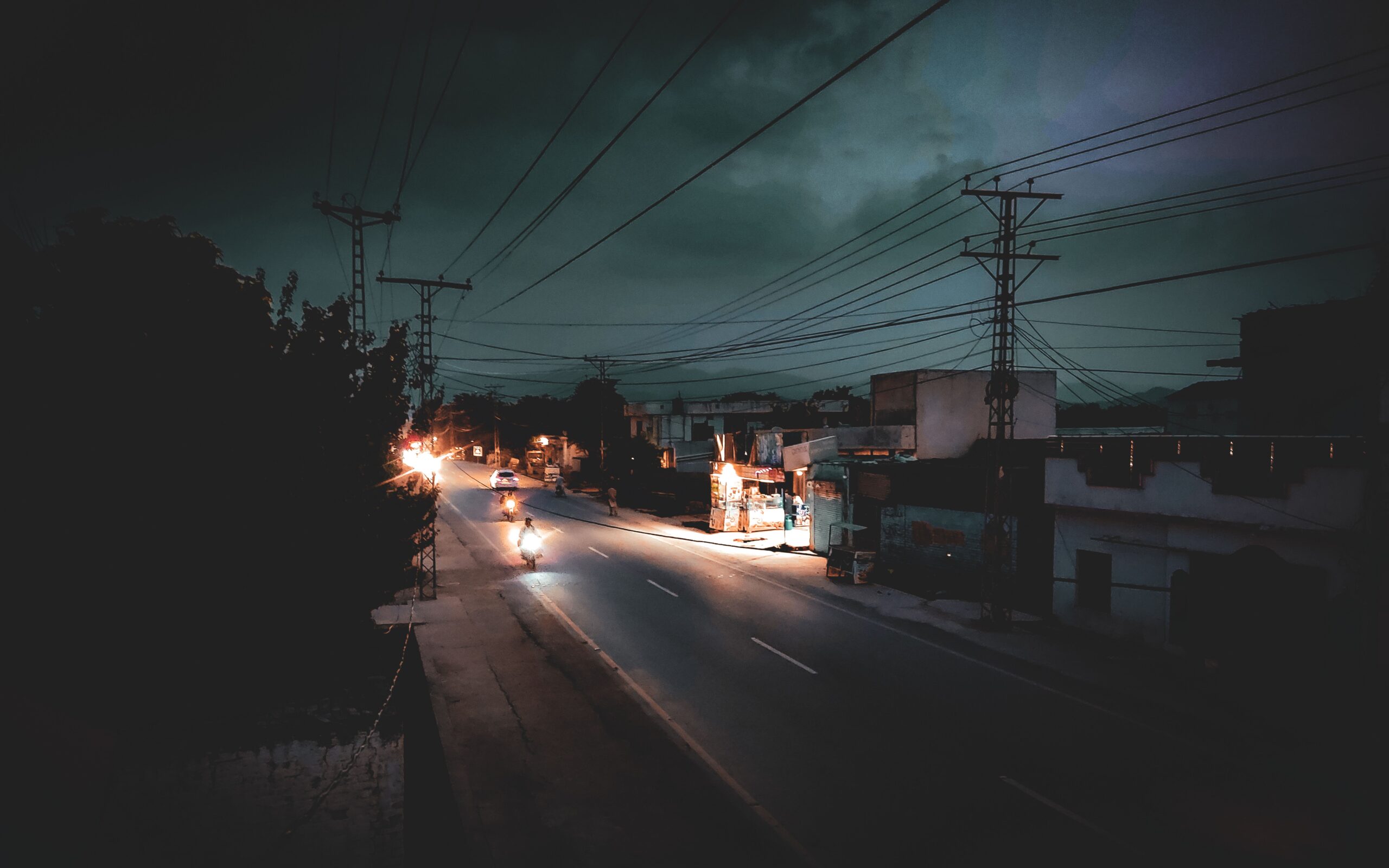
The affected areas include key communities such as Offinso, Kronom, and Barekese. The outage poses specific risks to critical infrastructure. In September 2025, the Barekese Water Treatment Plant was forced to shut down due to power supply challenges, disrupting water supply to several communities. Given this history, residents and businesses in the Barekese Headworks area are advised to store water ahead of the outage. Commercial entities, including cold stores, welders, barbers, mills, and cement operations, face direct economic losses due to the extended period of inactivity.
ECG’s Stance on “Dumsor” and Fault Management
Despite the recurring outages, ECG has explicitly ruled out publishing a load-shedding timetable, or “dumsor” schedule, for the Ashanti Region. Benjamin Obeng Antwi, ECG’s Ashanti Regional Public Relations Officer, stated that recent interruptions are primarily caused by unexpected technical faults and maintenance activities rather than a deliberate load-management strategy.
“There is no cause for a ‘dumsor’ timetable. We are not in load management or in crisis in the region,” Antwi said. He acknowledged that faults can occur unexpectedly, making it difficult to provide prior notice in all cases. However, he assured the public that ECG would continue to provide advance notice for all planned maintenance and scheduled projects. This distinction is crucial for understanding the nature of the current outages: they are a consequence of infrastructure upgrades and reactive fault repairs, not a structured response to national power deficits.
Recent Grid Strain and Consumer Response
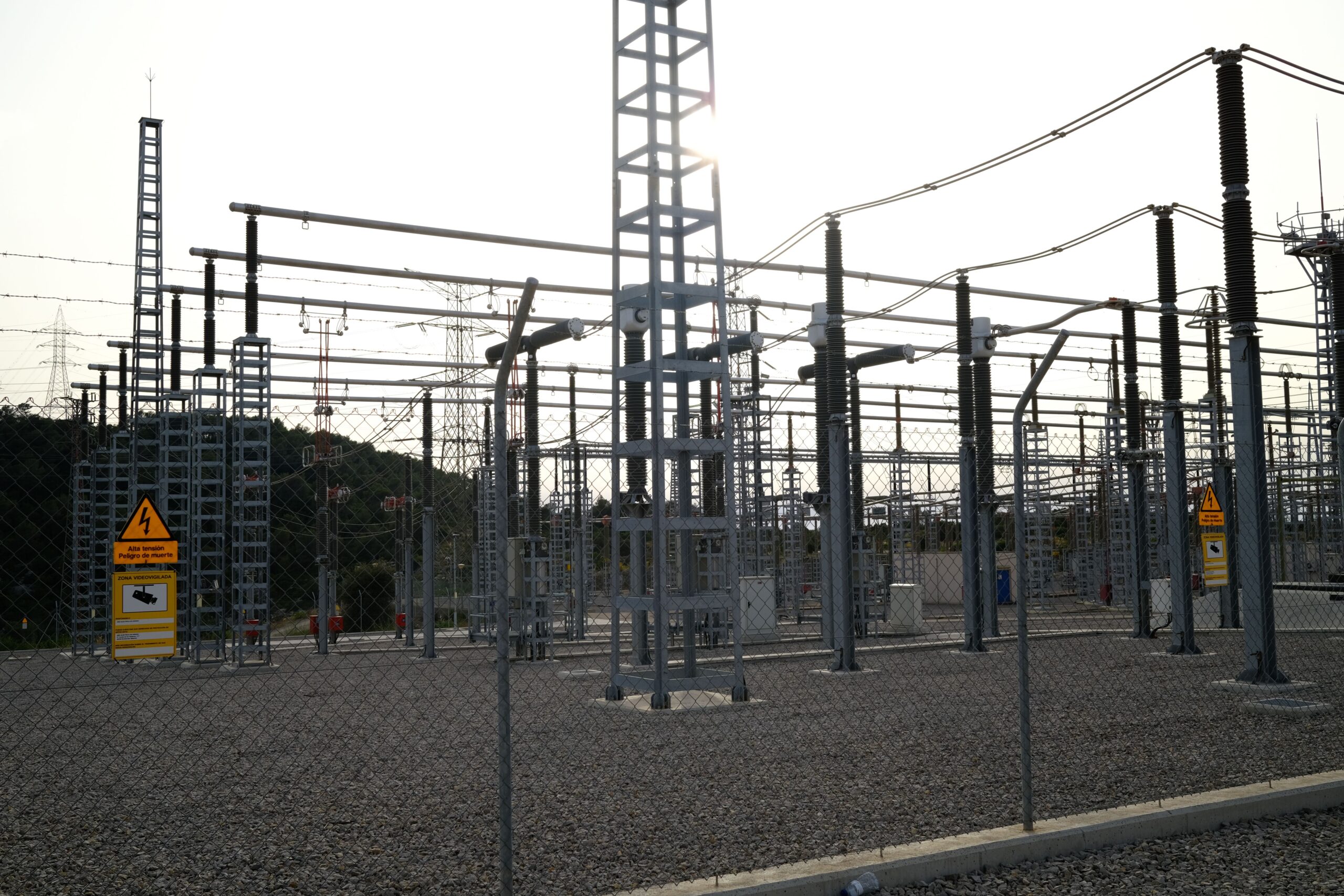
The announcement comes amid a backdrop of frequent, albeit unplanned, disruptions in the region. In late October 2026, a fault on the Guinness 1 feeder cut power to Atasomanso, Ahodwo, and Adiebeba. More recently, a fault on the Apire feeder affected Apire, Hemang, and Bebu. These incidents have led to growing frustration among residents, with operators of mobile money outlets, pharmacies, and cold stores increasingly relying on backup generators to sustain operations.
Residents are advised to prepare for the November 12 outage by charging mobile devices and power banks, storing drinking water, and minimizing the use of refrigeration. ECG has apologized for the inconvenience, stating, “The inconvenience caused to affected customers is deeply regretted.” The utility emphasizes that clear communication and accurate timing are essential for managing customer expectations during these necessary but disruptive periods.
Outlook
The successful completion of the Anwomaso-to-Ridge transmission line upgrade is pivotal for the long-term stability of power supply in the Ashanti Region. By increasing capacity from 364MVA to 976MVA, the grid will be better equipped to handle growing demand and reduce the likelihood of overload-induced faults. However, the immediate impact will be a significant disruption to daily life and economic activity in the affected communities. The next phase of this infrastructure program, involving the installation of additional transformers and sub-transmission upgrades, is expected to further enhance grid resilience in the coming months.