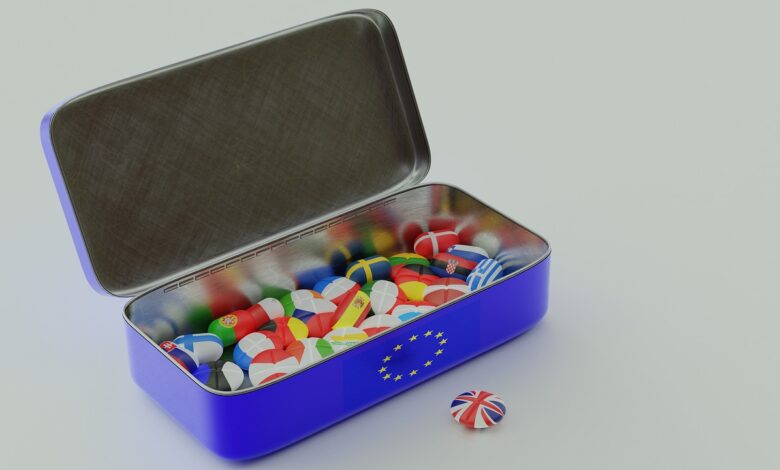
The agreement is part of a broader effort to reset UK-EU relations nearly a decade after Britain voted to leave the bloc. At the summit, UK Prime Minister Andy Burnham described the package—which includes deals on youth mobility and emissions trading—as a “landmark agreement,” while European Commission President Ursula von der Leyen called it a “turning point.” Both leaders acknowledged the geopolitical shifts driving the reconciliation, including the impact of US tariffs and the reshaping of global supply chains. Yet, for the agricultural sector, the headline significance lies in the removal of specific administrative burdens that have eroded profit margins and market access since Brexit.
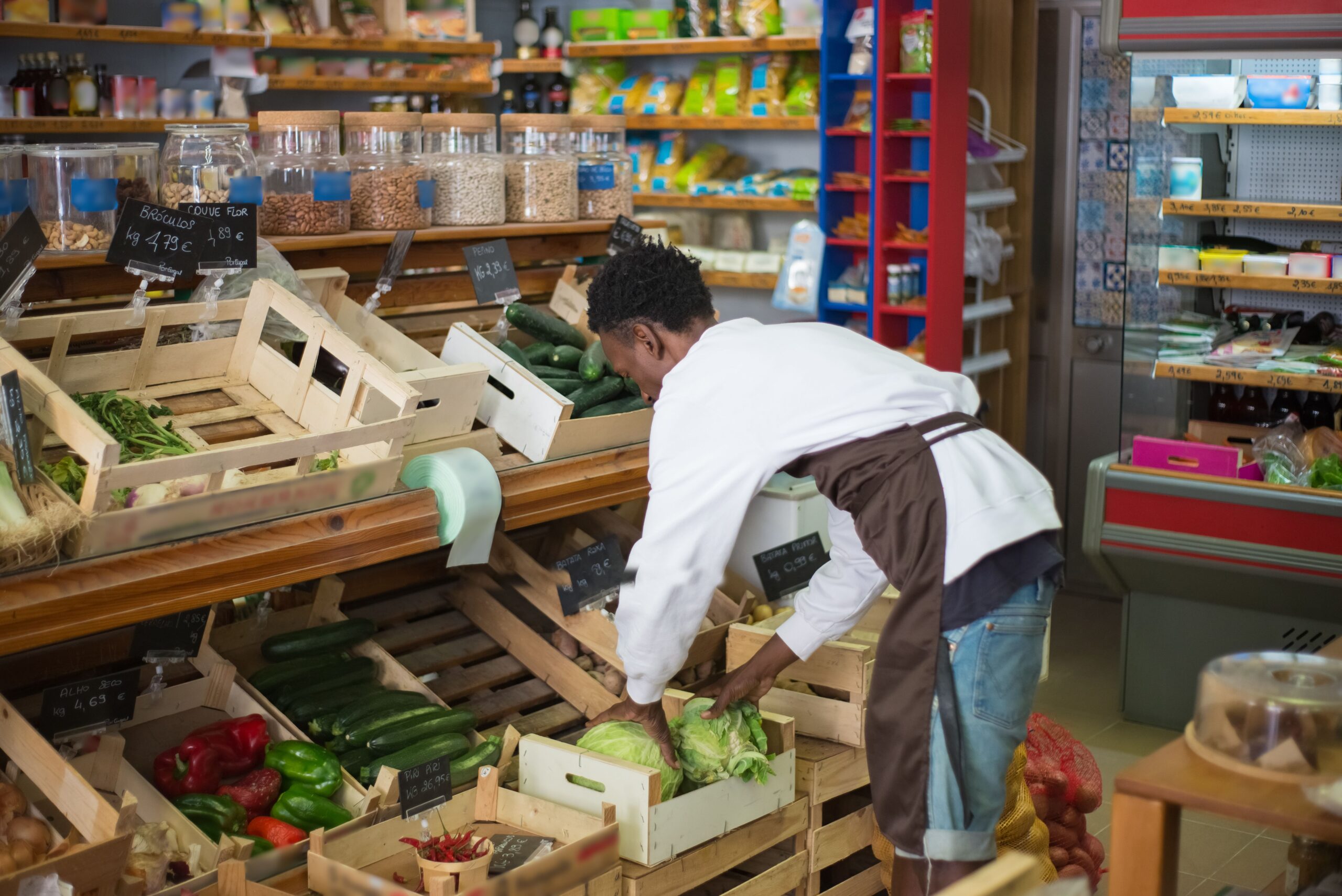
Under the proposed 200-page agreement, exporters would no longer face a series of costly certifications and inspections. This includes the elimination of £200 Export Health Certificates, £25 phytosanitary certificates, organic certificates, sampling fees, and certain port charges. The UK government estimates that these changes could deliver £5.1 billion in annual economic benefits to businesses. The deal also aims to reopen the EU market for products that were excluded from the original post-Brexit trade deal, specifically fresh sausages, burgers, shellfish from UK waters, and seed potatoes.
The impact on the seed potato industry is particularly acute. Scottish farmers, who previously accounted for three-quarters of UK production, saw their exports to the EU halt when the two sides disagreed over certification standards. The sector, valued at approximately £112 million a year, suffered significantly, with Ireland and the EU representing a fifth of Jamieson Brothers’ trade before Brexit. Barbour estimated that the loss of Irish business forced the company to adapt by packing work in-house that was previously carried out in the EU, a change that cost the company about £500,000. “We evolved, we worked with more partners and that’s what kept the business going,” Barbour said. While he is eager to supply his Irish customers again, he noted it will take at least three years to revive potato varieties that are no longer being grown, a delay that underscores the long-term cost of the trade disruption.
The agreement has drawn broad support from the retail and wholesale sectors. Major UK supermarkets, including the Co-op, have welcomed the move, citing the need to address cost-of-living concerns for customers. The Co-op stated it would work with the government to deliver the benefits of the agreement. James Bielby, chief executive of Food and Drink Wholesale UK, described the deal as “a major step towards removing the paperwork, certification and border checks” that had increased costs across the industry. He argued that reducing these barriers would make it easier and more affordable to supply a wide range of customers, including schools, hospitals, restaurants, and independent retailers, while also enhancing supply chain resilience.
However, the path to implementation is not without political and structural complexities. In exchange for reduced trade barriers, the UK commits to “dynamic alignment” with EU regulations covering food safety, animal health, and plant health. This means the UK will adopt relevant existing and future EU rules, a concession that reflects the deep integration of the two agricultural markets. The EU accounted for 58% of UK agricultural and food exports and 69% of imports in 2025, despite UK food and drink exports to the EU falling by approximately 25% in real terms since 2018. The government projects that the new agreement could increase major UK agricultural exports to the EU by around 16%, a figure that remains an estimate rather than a confirmed outcome.
Political reactions have been mixed, reflecting the ongoing debate over the UK’s post-Brexit trajectory. Prime Minister Burnham admitted that the current deal represents “probably the limit” of what can be achieved in the current Parliament before the next election due by mid-2029. He has suggested an informal conversation with the EU in about a year regarding further steps, while also stating it is an “obvious truth” that Britain has lost more than it has gained from Brexit. Conversely, Nigel Farage, leader of Reform UK, characterized the deal as “incremental” steps toward rejoining the EU and warned he would campaign to preserve Brexit. The EU, for its part, has expressed openness to further brainstorming on the future of relations, with von der Leyen welcoming Burnham’s willingness to engage in a broad debate.
For now, the focus remains on the practicalities of the transition. The agreement was delayed, with the summit originally planned for July being postponed following a change in UK leadership. As the 200-page draft text is circulated to EU member states and ahead of a meeting of EU ambassadors, businesses must navigate a period of uncertainty. The projected £5.1 billion in benefits and the reopening of markets for products like fresh sausages and molluscs are significant, but they are contingent on a ratification process that will not conclude for several years. For exporters like Barbour, the verdict is clear: the deal is a necessary correction, but the true test will be whether it is implemented as promised, and whether the economic wounds of the last few years can be healed before the new rules take full effect in 2028.