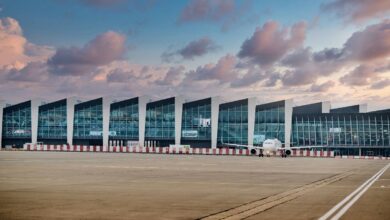

The economic disruption was significant, particularly in the aviation sector. Skeyes, the company responsible for Belgian air traffic control, suspended regular services between 07:00 and 20:00 local time, citing staffing levels that could not guarantee safe handling of air traffic. Consequently, Brussels Airport stated that most arrivals and departures would be cancelled, while Brussels-Charleroi Airport, a major Ryanair hub, confirmed a “complete shutdown” of its operations for the day. Only essential emergency and safety-critical flights were supported during the 14-hour window.
The Board of Airline Representatives in Belgium (BAR Belgium), representing approximately 25 carriers, identified this as the 11th strike affecting Belgian airspace in the past 11 months. The industry body accused public-sector workers of repeatedly undermining the country’s international connectivity, noting that the disruption affected thousands of passengers. Beyond aviation, the strike caused significant disruptions to public transport, with only two metro lines operating in Brussels, while schools, government offices, and refuse collection services also faced interruptions.

The protests and strikes occur against the backdrop of a political deadlock over a new cost-cutting budget. Prime Minister De Wever has been engaged in protracted talks with coalition partners to agree on measures saving €10 billion ($11 billion) over the next few years to reduce the country’s high deficit. Earlier in November, De Wever offered his resignation after the coalition failed to reach a deal, but King Philippe rejected the resignation. Following a third report in a month that discussions had failed to produce a breakthrough, the King encouraged the Prime Minister to persevere to reach an agreement as soon as possible, despite expressing regret over the lack of significant progress.
The Belgian government faces mounting pressure to finalize a fiscal plan that satisfies both its coalition partners and the public, who have expressed frustration over cost-of-living issues and austerity measures. The repeated strikes highlight the tension between the government’s fiscal targets and labor union demands for protection against spending cuts.