
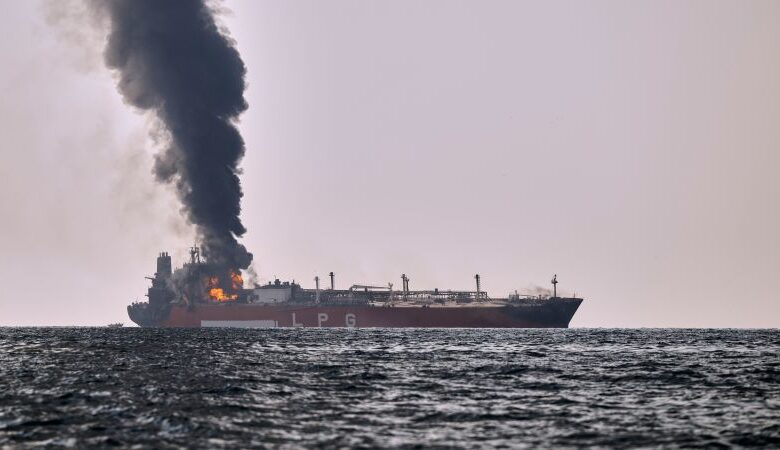
The diplomatic tension coincides with a significant increase in maritime violence. Data compiled by the United Kingdom Maritime Trade Operations Centre (UKMTO) shows that reported attacks in and around the Strait of Hormuz have reached their highest levels since the war between the US, Israel, and Iran began in late February. The UKMTO recorded 31 attacks in October and approximately 19 in November as of November 18. These figures mark a sharp rise from the average of 10 to 15 incidents per month reported between March and September. The International Maritime Organization (IMO) corroborates this trend, confirming 34 attacks in the same period, noting that the strait has become a heavily contested frontier disrupting global energy trade.
Maritime experts indicate that the surge in attacks is a deliberate Iranian strategy to complicate US-led efforts to keep oil flowing. To bypass the Iranian-declared blockade and avoid direct confrontation, the US and regional partners have implemented a workaround involving “ship-to-ship” transfers. Under this protocol, smaller tankers cross the strait with tracking systems disabled and transfer cargo to larger vessels once they reach safer waters. Noam Raydan of the Washington Institute for Near East Policy stated that Iran’s objective is to keep the Omani route, designated as a US-facilitated passage, as high-risk to ensure energy recovery remains inconsistent. Hamidreza Azizi of the International Crisis Group noted that Tehran appears determined to make these arrangements more costly and less reliable.
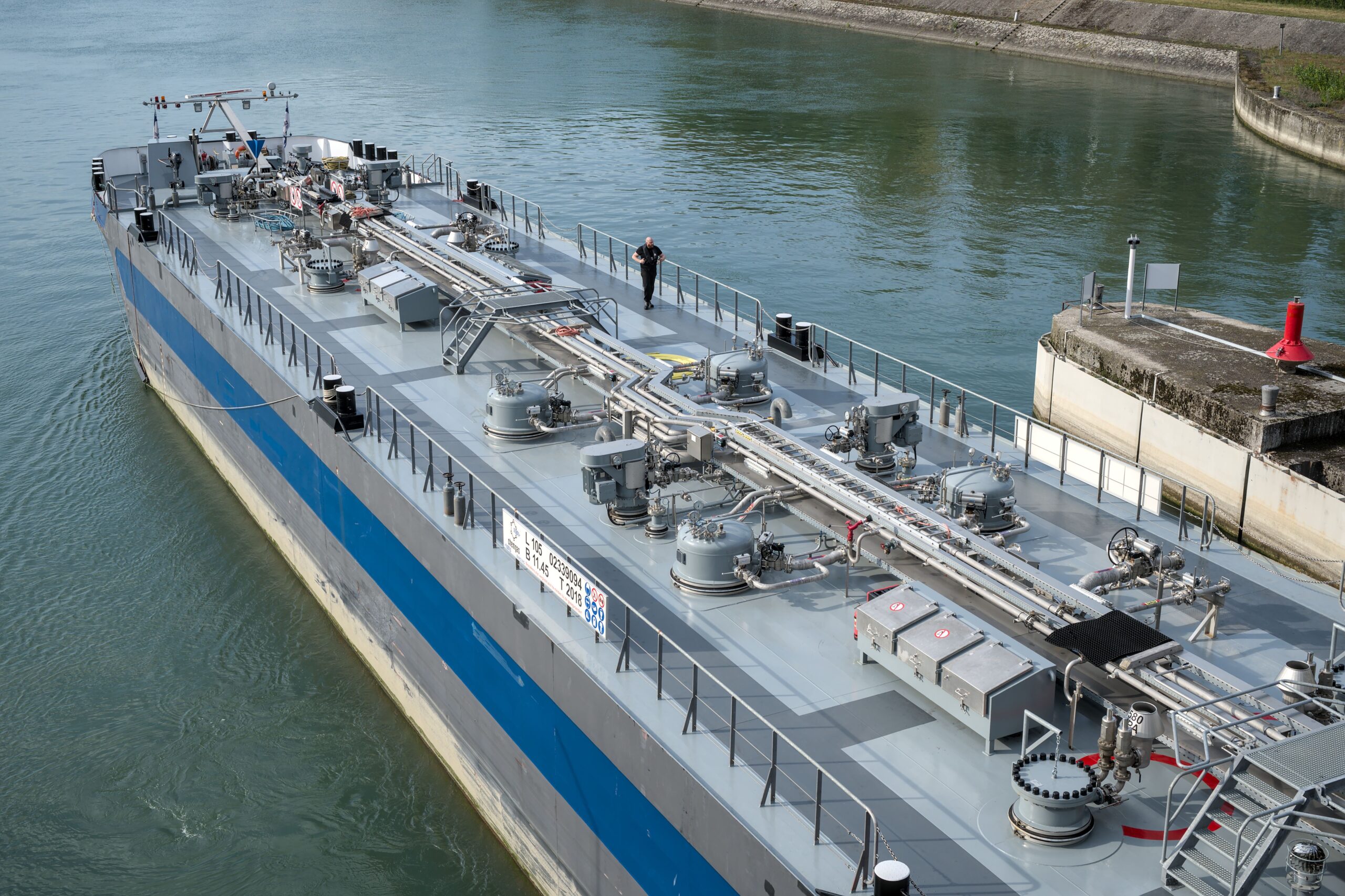
Recent developments have further obscured the situation. On Monday, an Iranian oil tanker identified as the “Khat Shekan” signaled on tracking platforms that it had sailed past the US blockade, a first since its reimposition in July. However, analysts and maritime tracking experts say the vessel’s position is likely fake. The ship lacks an International Maritime Organization number and has no prior voyage record, suggesting Tehran may be using obfuscation tactics to hinder monitoring capabilities. Mark Douglas of Starboard Maritime Intelligence described such attempts to complicate traffic monitoring as an “unwelcome addition to an already dangerous situation.”
While Iranian media close to the Islamic Revolutionary Guard Corps have called for convoys to break the blockade, with some threatening to target Gulf oil facilities if attacked, Iranian officials have stated there is no concrete plan for such an operation. The UKMTO warned that its figures are likely an undercount, as many attacked vessels refuse to report incidents, making it difficult to determine the true scale of the disruption. The next phase of the standoff may see continued efforts by Tehran to degrade the reliability of the US-facilitated shipping routes, while Washington maintains the blockade and monitors for further breaches.

One Comment