
The agreement does not emerge in a vacuum. It represents the culmination of nearly ten years of protracted negotiations, with significant momentum generated following Indonesian President Prabowo Subianto’s state visit to Brussels in July 2025. The strategic timing is deliberate. As trade relations with both the United States and China have become increasingly difficult and volatile in recent years, Brussels is actively seeking to diversify its economic dependencies. Von der Leyen framed the signing as a commitment to openness in a closing world, stating, “In a time when others are closing their doors, we keep ours open.” This pivot reflects a broader EU strategy to secure stable supply chains and new markets in the Indo-Pacific region, where Indonesia stands as the largest economy in the Association of Southeast Asian Nations (ASEAN).
The economic mechanics of the deal are designed to lower barriers for specific industrial sectors on both sides of the ledger. For the European Union, the CEPA provides for the gradual lifting of tariffs on more than 98% of tariff lines, opening the door for machinery, electrical equipment, and pharmaceuticals. The agreement is particularly significant for specialized industries; for instance, Latvia, where over 80% of 2025 exports to Indonesia consisted of machinery and electrical equipment, is expected to see enhanced competitiveness in the Indonesian market. Conversely, the agreement opens the Indonesian market to foreign investment in strategic sectors, including electric vehicles, electronics, renewable energy, and downstream palm oil products. The Investment Protection Agreement safeguards investors against discrimination and expropriation without compensation, while preserving the states’ right to regulate in the public interest.
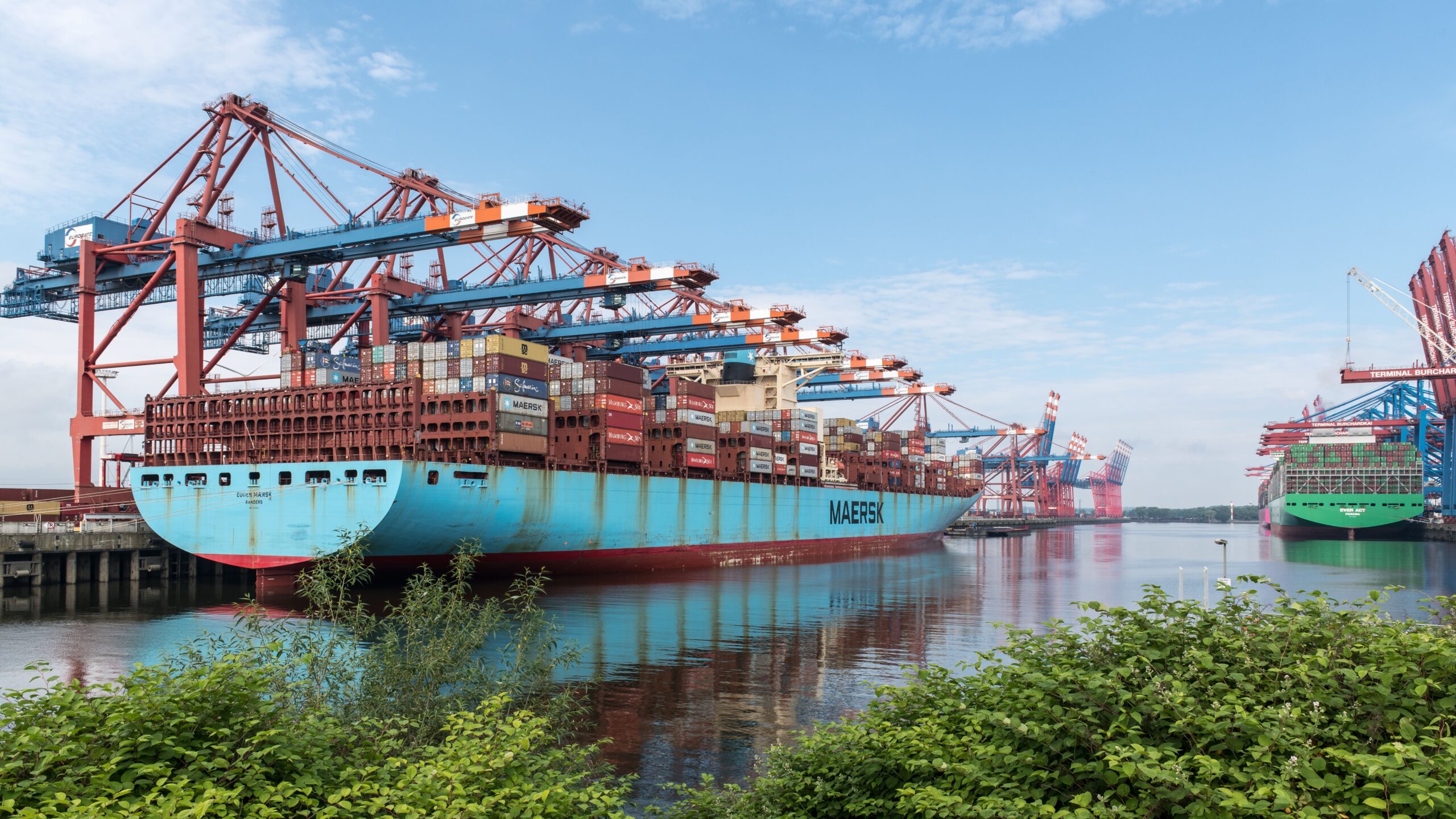
For Indonesia, the benefits are centered on its flagship export commodities. The deal paves the way for export tariffs on Indonesian goods entering the EU to drop to zero percent. Specifically, 90.4% of tariff lines will be eliminated on the very first day the agreement takes effect, with the remaining 8.37% undergoing phased reductions over a period of three to 15 years via Tariff Rate Quotas. Airlangga Hartarto highlighted that these changes would directly benefit Indonesia’s main exports to Europe, including palm oil, footwear, and textiles. This is a critical adjustment for Indonesian manufacturers, who have long faced higher barriers in the European market compared to competitors in other regions.
However, the path to this agreement was not without friction. Palm oil and deforestation were major stumbling blocks during the negotiations. To resolve this, the agreement includes a dedicated protocol on palm oil, establishing mechanisms for cooperation on regulatory and sustainability issues. This provision attempts to balance the economic interests of Indonesian producers with the EU’s stringent environmental standards. Furthermore, the CEPA addresses the EU’s economic security concerns by promoting the diversification of supply chains for critical raw materials. Indonesia is one of the world’s leading producers of nickel, an essential component for battery production and the development of green technologies. Securing access to this resource is a key pillar of the EU’s strategy to decouple its green transition from geopolitical instability elsewhere.

The current bilateral trade volume between the EU and Indonesia stands at approximately $32 billion. The EU, comprising 27 member states, offers Indonesia access to a market with a combined GDP of $19.4 trillion and a per capita income of $43,350. On the investment front, EU capital inflows into Indonesia have reached $14.8 billion, a figure that the new framework aims to expand further into labor-intensive and high-value-added sectors. The agreement also sets out provisions for digital trade and cross-border data flows, expanding access to services markets and creating opportunities for the export of information and communication technology services.
Despite the signing, the deal is not yet in force. The CEPA and IPA are now due to be submitted to the European Parliament for ratification, a process that is expected to proceed, alongside the completion of ratification processes by Indonesian authorities. The agreement is projected to enter into force in 2027. While the political leadership has hailed the pact as a “new chapter” and one of the most ambitious deals the EU has concluded in Asia, the long-term significance will ultimately be determined by whether European and Indonesian businesses can translate improved market access into sustained growth in exports and investment. The next phase of this economic relationship will hinge on the successful implementation of the sustainability protocols and the ability of both blocs to navigate the complex regulatory landscapes of digital trade and critical raw material supply chains.