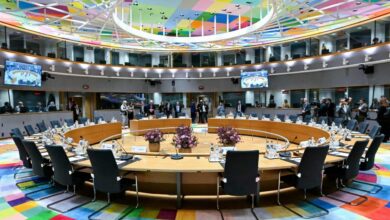
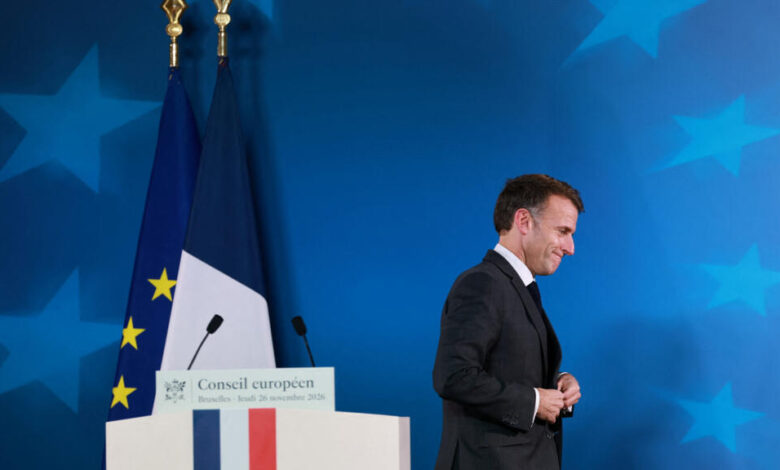
The stakes of this negotiation are immense, involving a draft seven-year budget totaling €1.582 trillion ($1.8 trillion) for the period 2028-2034. This sum funds the core policies of the European Union, from agricultural support to regional development. However, the talks held on Thursday yielded little progress, with discussions described as heated and inconclusive. The core of the disagreement lies in how to balance the EU’s internal spending priorities with its external commitments, specifically the financial aid required by Ukraine to defend itself against the Russian invasion that began in 2022.
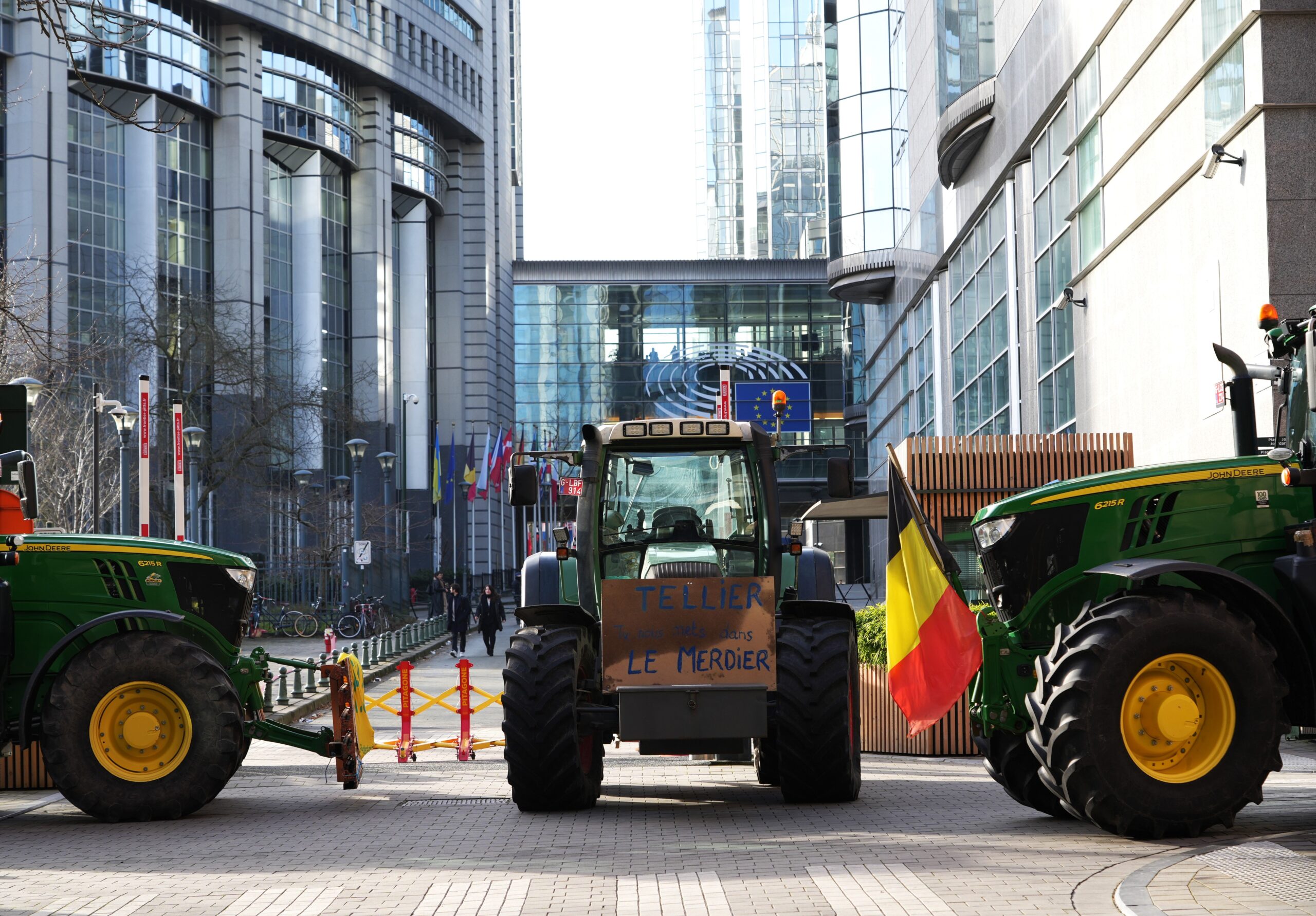
The budget proposal currently on the table allocates approximately €740 billion to support European farmers and aid poorer regions in catching up with wealthier ones. This massive line item has become the focal point of a structural divide within the EU. Net contributor countries, including Germany, Sweden, the Netherlands, and Finland, are pushing for significant reductions in these subsidies. Their argument is that the EU must redirect resources toward enhancing its own competitiveness against rivals such as the United States and China. Conversely, net beneficiary nations argue that maintaining robust funding for agriculture and regional cohesion is essential to sustaining public support for the EU, particularly in the face of rising far-right political movements across the continent.

Complicating this internal debate is the issue of Ukraine’s financing. The draft budget includes up to €100 billion for Ukraine, a figure diplomats acknowledge falls well short of the country’s actual needs. A critical component of the plan is a proposed €45 billion loan to be borrowed against the EU’s current budget, which expires at the end of 2027. This loan would be repaid only when Russia pays war reparations. To cover the funding gap for 2027, the EU expects non-member states such as Britain, Norway, Japan, Switzerland, and Canada to contribute an additional €25 billion, bringing the total support for that year to €70 billion.
However, a significant hurdle remains regarding who bears the cost of the €45 billion loan. Slovakia, the Czech Republic, Hungary, and Bulgaria have objected to participating, despite being major net beneficiaries of EU spending. German Chancellor Friedrich Merz has made participation in this loan a condition for securing the broader budget deal. “For me, there is a link between our support for Ukraine and the European budget,” Merz said. “The European Union comprises of 27 member states, not 23 or 24.” This stance highlights the deepening friction between nations that pay more into the EU coffers than they receive and those that rely on the net inflows to subsidize their domestic economies.
The political context adds a layer of fragility to these negotiations. In France, far-right leader Marine Le Pen leads in the polls ahead of the 2027 elections. She has vowed to end financial aid to Ukraine and slash French contributions to the EU budget. This potential shift in French policy has focused the minds of other leaders, who fear that a post-election France might withdraw from commitments made in 2026. Consequently, the pressure to finalize the deal before the political landscape shifts is intense. Austrian Chancellor Christian Stocker acknowledged the difficulty of the situation, noting that “even negotiations that do not lead to the desired outcome… are necessary to make progress.” He suggested that while differences were not bridged on Thursday, the process clarified what is necessary for success in future sessions.
Antonio Costa, the chair of EU summits, is tasked with presenting a revised budget proposal in the coming weeks. The goal is to reach an agreement at the next government meeting scheduled for December 17 and 18. The seven-year budget requires unanimous approval from all 27 member states, meaning a single dissenting voice can block the entire package. The current impasse illustrates the challenge of maintaining a unified financial front when member states have diverging economic interests and diverging political trajectories. As the deadline of December 31 approaches, the ability of France and Germany to force a compromise will determine whether the EU enters 2028 with a stable financial framework or faces a period of prolonged uncertainty. The next few weeks will test the resilience of the bloc’s consensus-based decision-making process against the backdrop of rising political polarization.