
As of August 31, the National Unit for Disaster Risk Management reported that the earthquake had left 331 people dead, 4,505 injured, and 136 missing. The disaster affected 449,442 individuals across the region. The death toll included at least 40 victims in the Risaralda region, 27 in the Valle del Cauca region—including three children—and nine in the Chocó region. The Pacific region surrounding the epicenter lies along the “Ring of Fire,” a line of seismic faults encircling the Pacific Ocean where the majority of the world’s earthquakes occur. The Chocó region, nestled in dense jungle and largely accessible only by boat or plane, posed significant logistical challenges for assessing the full extent of the damage.
Damage and Displacement
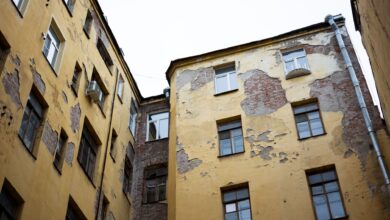
The earthquake caused widespread destruction in several major cities, including Cali, Pereira, and Manizales, and was felt as far away as Bogotá, Ecuador, and Panama. In Cali, which has a population of over 2.2 million, at least 95 people were killed. Mayor Alejandro Eder noted that the city recorded severe damage, with hundreds of buildings affected, including a significant portion of a hospital. Communication systems were overwhelmed, and many areas remained without electricity or water. In Pereira, the iconic Our Lady of Fatima Parish was damaged, and the Pereira airport sustained significant harm. President Abelardo de la Espriella declared a national emergency to expedite funding for recovery efforts, stating that the government would not leave the affected population alone.
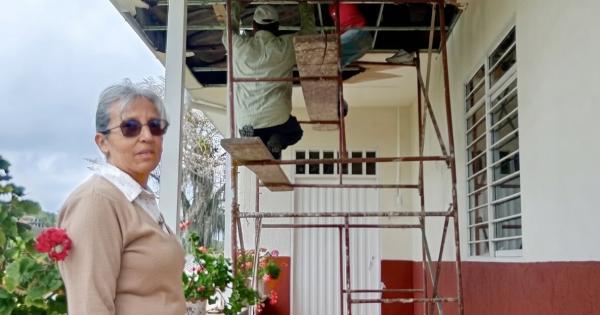
The immediate aftermath was marked by chaos, with streets blocked by debris and fallen trees, and cell service cut off. In the Guacarí neighborhood, 10 kilometers from Pereira, Sr. Cristina Ángel Castro, a nun and president of the Pereira chapter of the Colombian Conference of Religious, experienced the earthquake while in downtown Pereira. She described the scene as indescribable, witnessing buildings collapse and hearing cries of despair. Cut off from communication, she faced a three-hour walk back to her community home, which also sustained damage. Her experience highlighted the personal toll of the disaster, as many residents were forced to evacuate their homes due to structural instability and fear of aftershocks.
Rescue and Medical Response
Rescue operations continued through Wednesday morning, with active efforts in the hardest-hit regions. In Cali, soldiers from the Colombian army’s Third Brigade deployed canine teams, thermal-capable drones, and specialized equipment to dig through the rubble of collapsed department buildings near the Clinica Colombia health center. Volunteers and civilians also joined the search, passing large pieces of concrete and rubble in long lines to clear debris. In the Chocó region, rescue teams used physical and technological search methods to locate survivors in a race against time.
Medical organizations responded to the immediate health needs of the affected population. Direct Relief, which has sent over $27 million in medical aid to Colombia since 2015, mobilized resources including wound care supplies, surgical kits, and antibiotics. The organization noted that major earthquakes often overwhelm local health systems with crush injuries and trauma, while displacement can lead to waterborne illnesses and nutritional crises. The disaster occurred less than two months after two devastating earthquakes struck neighboring Venezuela, which killed more than 6,300 people, leaving the region and international aid agencies already stretched.
The earthquake was preceded by a 5.5-magnitude tremor in the Pacific just seven hours earlier, and followed by aftershocks of magnitude 2.8 and 4.8. The US Geological Survey reported that significant portions of the areas surrounding the earthquake remained at risk of landslides and flooding. As digital databases tracking missing persons grew to include over 2,000 names, primarily in Cali and Pereira, the focus shifted from immediate rescue to long-term recovery and reconstruction, with uncertainty still surrounding the final toll and the pace of rebuilding in the hardest-hit communities.