
The crisis, which has erupted in June 2026, is rooted in a fundamental dispute over the structure of the AJK Legislative Assembly. The Jammu and Kashmir Joint Awami Action Committee (JAAC), a coalition of traders, civil society members, and student groups, has demanded the abolition of 12 seats in the legislature reserved for Kashmiri refugees who migrated to Pakistan after 1947. According to the JAAC, this arrangement allows political parties based in Islamabad to exert undue influence over the regional government while diverting development funds away from the local population. The group argues that these reserved seats distort electoral representation and disenfranchise local voters, a grievance that has fueled widespread dissatisfaction with the existing governing framework.
The tensions, which have underlying roots in long-standing disputes over resource distribution and federal oversight, came to a head in late May 2026 when talks between the JAAC and the government collapsed. On June 5, authorities designated the JAAC a “proscribed organisation” under the Azad Jammu and Kashmir Anti-Terrorism Act of 2014. Simultaneously, internet and mobile services were suspended across the region. According to NetBlocks, an independent observer, a partial internet blackout has persisted since that date, with iVerify, the fact-checking wing of the Center of Excellence in Journalism in Karachi, noting that telecommunications are limited and internet connectivity is sparse in AJK. Officials advised non-residents not to travel to the region, urging tourists already present to leave.
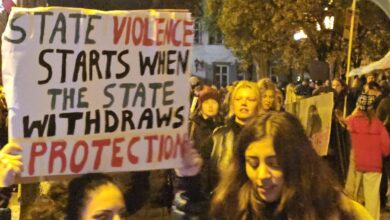
The immediate aftermath was marked by significant violence. Clashes between protesters and security forces erupted in Rawalakot, the headquarters of the Poonch division, and nearby areas on June 8. Resident and local estimates indicate that the death toll has surpassed 50, including seven law enforcement personnel. Protest leaders claim that more than 60 civilians have died in less than two months, though no official figures have been released by the state. Lieutenant-General Ahmed Sharif Chaudhry, director-general of Pakistan’s Inter-Services Public Relations (ISPR), stated in a Friday news conference that the state has the sole authority to use force and that violence by any group was unacceptable. He described the government’s actions as exercising “wisdom and restraint” but did not mention the number of civilian casualties. Chaudhry also accused vested interests in India of attempting to create unrest, an allegation New Delhi has rejected.
At the core of the unrest is a perception of economic inequity that has eroded trust in local institutions. AJK possesses an estimated hydropower potential of more than 8,000 megawatts, with river systems that contribute significantly to Pakistan’s national electricity generation. Despite this substantial contribution, residents face electricity shortages and tariffs that many believe are disproportionate compared to other parts of the country. The JAAC’s 38-point charter of demands highlights this disparity, calling for the restoration of subsidies on electricity and wheat, improved health and education services, and a reduction in the oversized ministerial cabinet. Critics argue that infrastructure, energy, and water management remain heavily influenced by federal institutions in Islamabad rather than local decision-makers, a dynamic they view as a hollowing out of local accountability.
The legal landscape has further complicated the situation. On June 7, the AJK Supreme Court ruled that the 12 refugee seats are constitutionally protected and cannot be abolished without a constitutional amendment. This ruling effectively blocked the primary demand of the protesters through the judicial system, pushing the conflict back to the streets. However, earlier legal developments, such as a High Court ruling affirming the constitutionally protected right to peaceful protest, have created a complex legal environment where civil liberties are asserted against a backdrop of state-imposed restrictions like Section 144, which is used to limit assemblies.
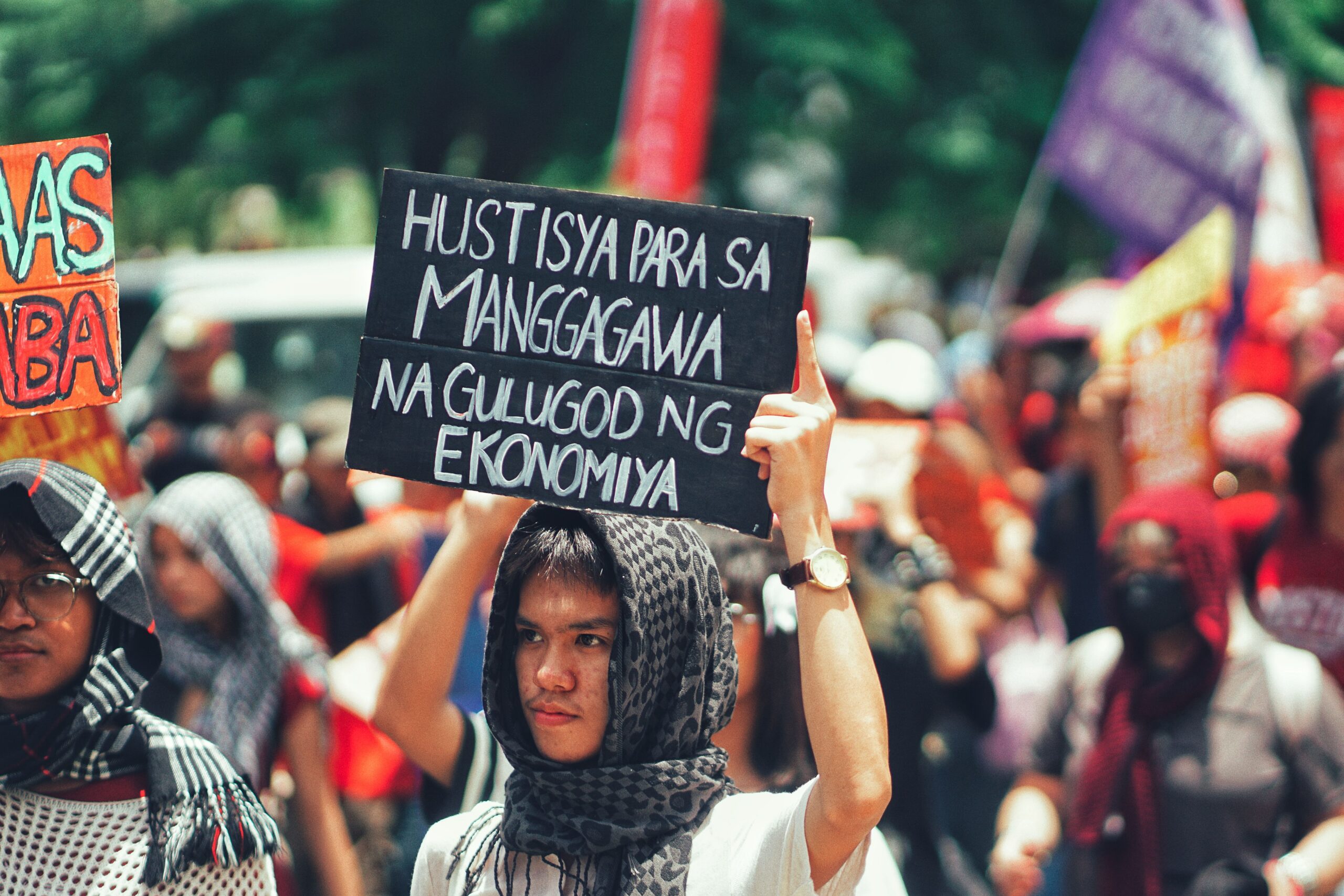
As the crisis deepens, the economic implications for the region are becoming increasingly tangible. The shutdown of businesses in Muzaffarabad and other cities has disrupted daily life and commerce. The controversy over the refugee seats is not merely procedural; it is viewed by locals as a mechanism that diverts development funds intended for the region. This perception is compounded by the frequency with which changes in AJK’s governing coalitions have mirrored political shifts in Islamabad, leading to the replacement of the PTI-aligned administration by a PPP-led government following federal political changes. For many residents, this reinforces the belief that AJK’s institutions function more as extensions of federal politics than as genuinely autonomous democratic bodies capable of addressing local economic concerns.
The path forward remains uncertain. The second of three phases of the staggered elections was held on Sunday amid the ongoing boycott calls, with the final round scheduled for August 10. The government maintains that the movement is threatening public order, while protest leaders continue to demand greater political rights and an end to policies they perceive as undermining local representation. As the region navigates this political turbulence, the disconnect between the territory’s resource wealth—particularly its hydropower capacity—and the economic realities faced by its residents remains the central economic pressure point. The outcome of the August 10 voting and the subsequent implementation of any governance reforms will be critical in determining whether the region can restore legitimacy to its institutions or if the crisis will persist, further straining the economic and social fabric of Pakistan-administered Kashmir.