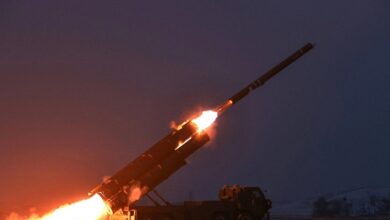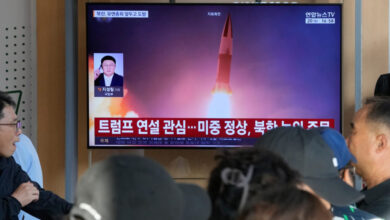

Ukrainian President Volodymyr Zelensky announced the attacks in a public address, expressing surprise at the US President’s statement regarding the ceasefire. Zelensky stated that he was not aware of any deal concerning an energy truce. However, he noted that Ukraine would welcome such an arrangement if it were genuine and verifiable. As of Sunday, the Russian government had not confirmed the existence of any formal accord regarding energy infrastructure.
The discrepancy between the US President’s claim and the Ukrainian leadership’s knowledge suggests a potential gap in diplomatic communication or a misunderstanding of the agreement’s parameters. The timing of the strikes, occurring on the same day the ceasefire was announced, further complicates the narrative, as the attacks targeted systems central to the energy sector.
An unnamed US source indicated that the purported energy ceasefire is limited in scope, covering only oil refineries rather than the entire energy grid. This distinction is critical for understanding the strategic implications for both sides. If the agreement applies exclusively to refineries, it would leave power plants, transmission lines, and other critical energy infrastructure vulnerable to continued Russian strikes, as demonstrated by the Sunday attacks.

The focus on refineries highlights a specific economic and military target. Oil refineries are essential for processing crude oil into fuel, which is vital for military logistics, civilian transportation, and industrial operations. Protecting these facilities could reduce Russia’s ability to degrade Ukraine’s energy economy through fuel shortages. However, excluding power plants from the ceasefire means that Ukraine’s ability to generate electricity remains at risk, potentially leading to continued blackouts and humanitarian hardships, particularly during periods of high demand or cold weather.
The strikes on Sunday underscore the ongoing vulnerability of Ukraine’s energy infrastructure. Power outages affect not only civilian life but also military capabilities, as modern warfare relies heavily on electrical power for communications, command and control, and electronic warfare systems. The resilience of Ukraine’s energy network has been a key component of its defense strategy, and sustained attacks on power plants aim to weaken this resilience over time.
The international community is watching closely to see whether the alleged ceasefire will hold or if it will collapse under the pressure of continued hostilities. The lack of confirmation from Moscow and the limited scope of the agreement, as suggested by US officials, indicate that the diplomatic landscape remains fragile. Ukraine’s position, as stated by President Zelensky, reflects a pragmatic approach: welcoming any measure that reduces suffering and damage, while maintaining skepticism until the terms are clearly defined and respected by all parties.
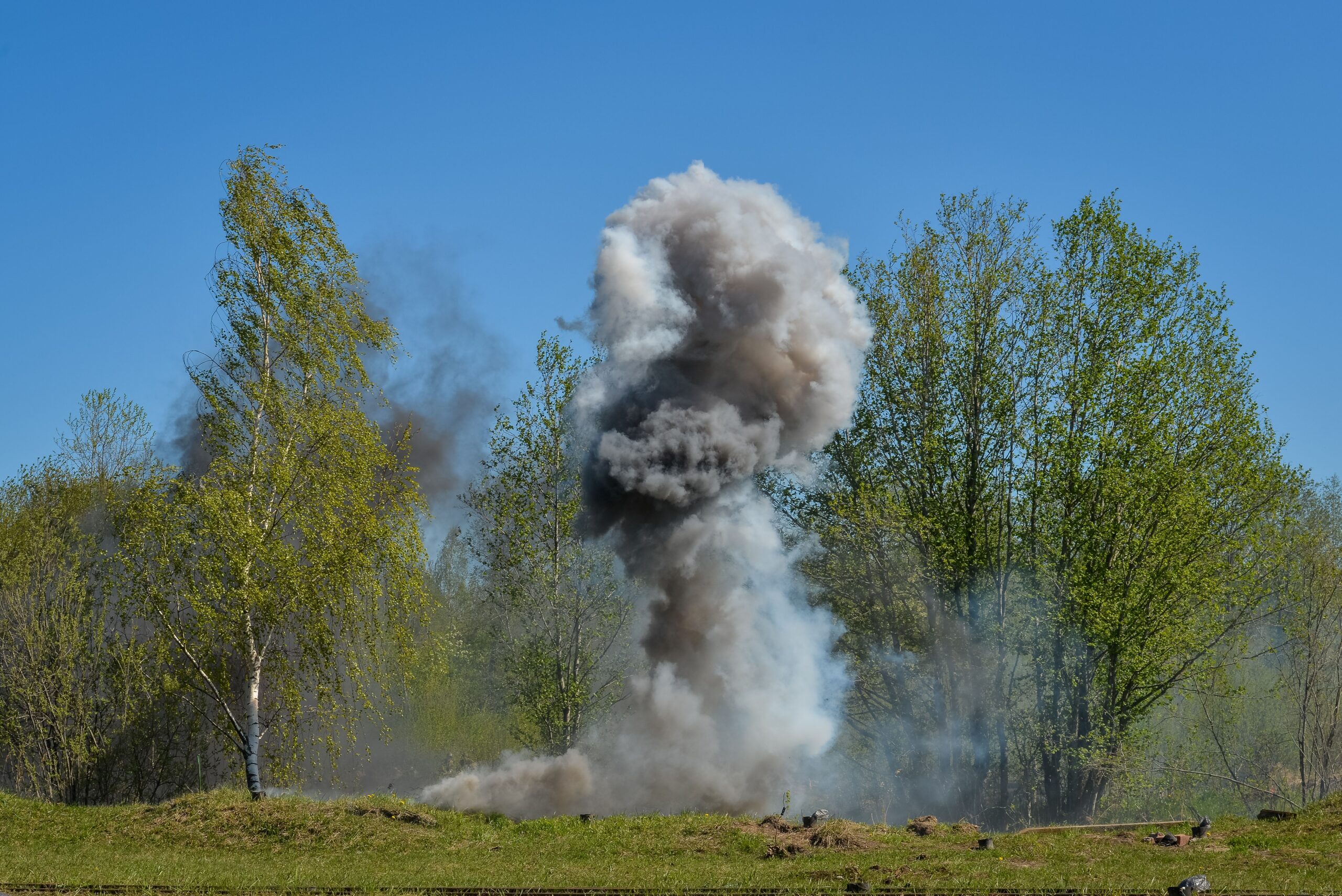
The incident also raises questions about the effectiveness of international mediation in achieving durable ceasefires in ongoing conflicts. The speed at which the strikes followed the announcement of the ceasefire suggests that either the agreement was not fully communicated to military commanders on the ground, or that it was never intended to cover the specific targets that were attacked. Clarifying the exact terms of the agreement and ensuring mutual compliance will be essential for any future diplomatic efforts to reduce hostilities.
As the situation develops, the focus will likely shift to verifying the scope of the ceasefire and assessing its impact on the conflict. The distinction between protecting refineries and power plants is not merely technical but has significant strategic, economic, and humanitarian consequences. Until there is clarity and adherence to the agreed terms, the threat to Ukraine’s energy security remains acute, and the risk of further escalatory incidents persists.