
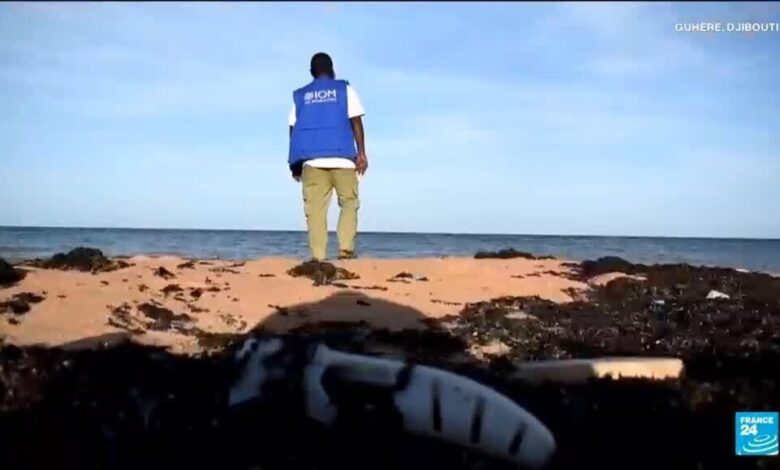
The International Organization for Migration (IOM) confirmed the death toll and identified the majority of the victims as Ethiopian nationals. The organization’s assessment highlights the specific demographic affected by the tragedy, pointing to the high mortality rates among those traveling from the Horn of Africa toward the Arabian Peninsula. The capsizing occurred in international waters adjacent to Djibouti, a strategic location given its proximity to major shipping lanes and regional political tensions.
The incident serves as a stark reminder of the persistent dangers faced by irregular migrants in the Red Sea and Gulf of Aden corridors. Despite ongoing international efforts to combat human trafficking and improve search and rescue capabilities, these routes remain fraught with risk. The use of overcrowded vessels, often operated by smuggling networks, leaves passengers with minimal safety equipment and limited means of survival in the event of mechanical failure or rough seas.
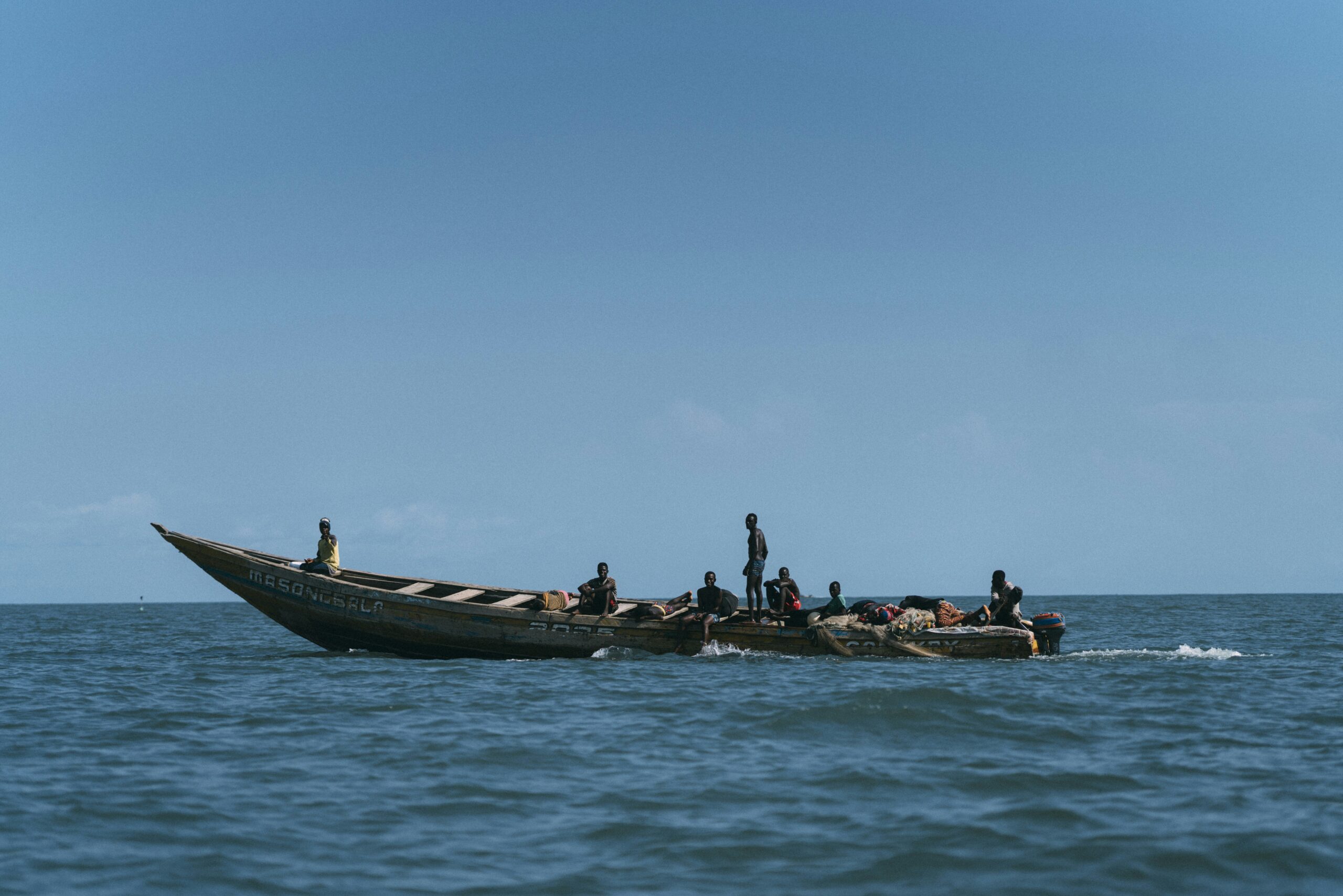
Djibouti and Yemen are currently navigating complex geopolitical landscapes that include regional security concerns and humanitarian crises. The flow of migration across the Gulf of Aden has been a long-standing challenge for authorities in both nations, exacerbated by economic instability and conflict in source regions. The loss of over 130 lives in a single incident is likely to draw renewed attention to the need for coordinated maritime security and humanitarian response mechanisms in the area.
Rescue operations in such remote waters are often hampered by limited resources, poor weather conditions, and the vastness of the ocean. The high number of missing persons suggests that the full extent of the tragedy may not be immediately clear, as recovery efforts continue. International organizations and local authorities are expected to coordinate in the coming days to assist in search and rescue operations and to provide support to the families of the victims.
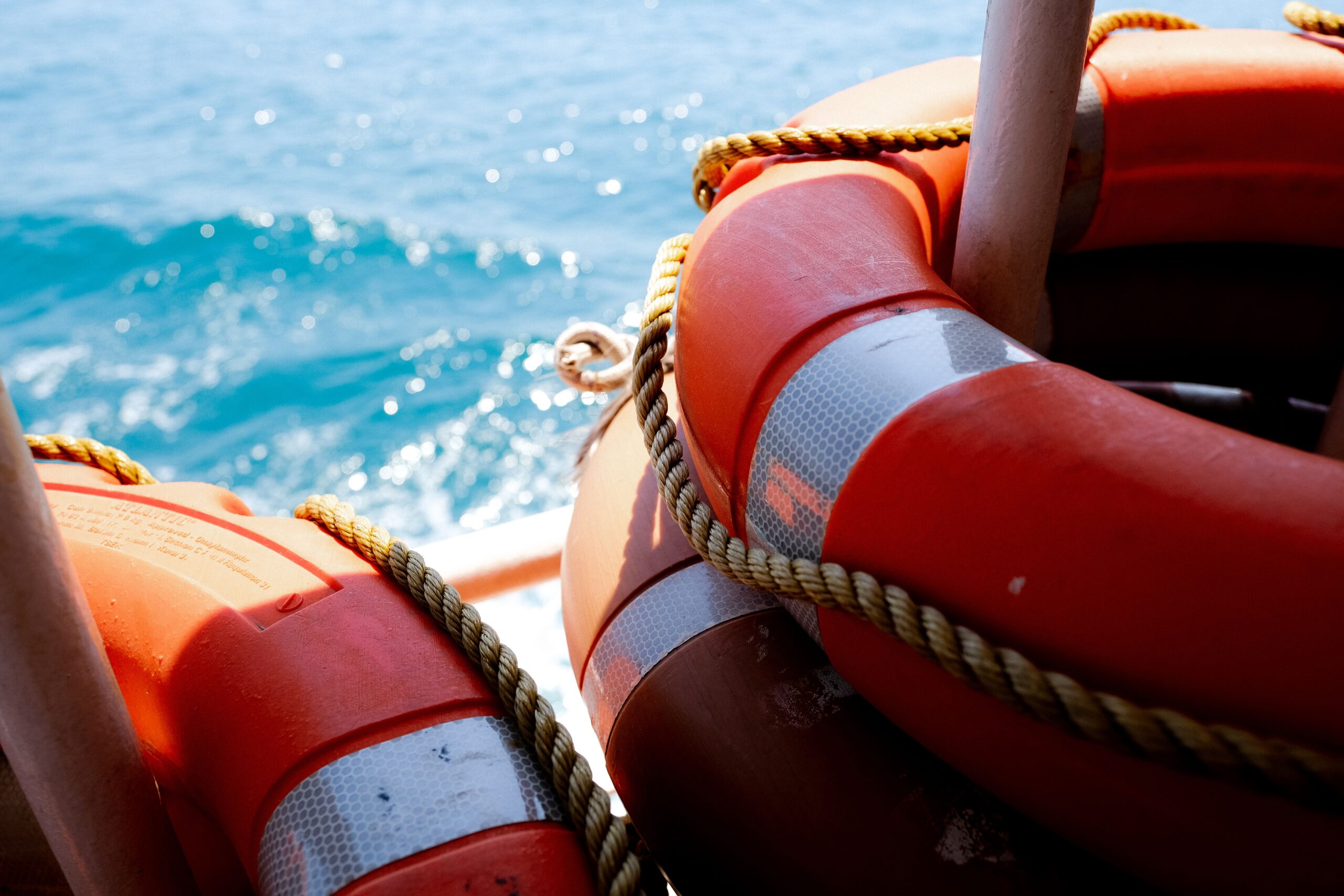
The sinking of the vessel near Obock adds to a growing list of maritime disasters involving migrants in the region. Each incident raises urgent questions about the sustainability of current migration patterns and the effectiveness of existing border control and human rights protections. As the investigation into the cause of the capsizing proceeds, the focus remains on the immediate humanitarian needs of the survivors and the unresolved fate of those still missing.
The next critical step will be the determination of the exact number of survivors and the identification of the missing individuals. Until a comprehensive account of all persons on board is established, the full impact of this disaster on the local communities and international migration policy will remain unclear.