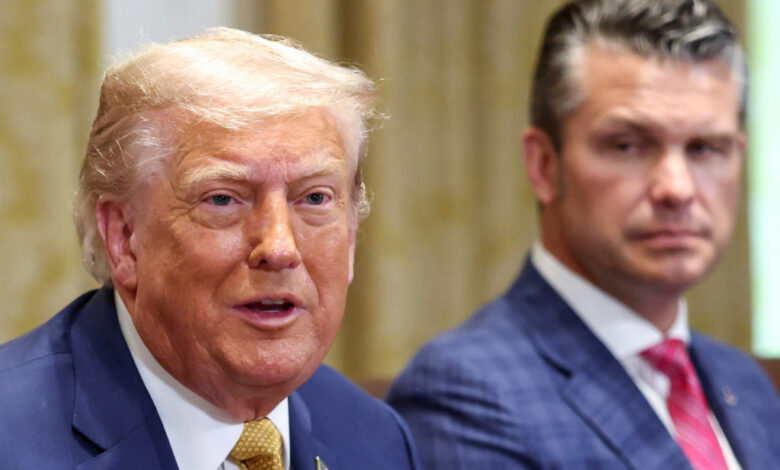
The pause, directed by Defense Secretary Pete Hegseth last week, had affected a broader range of systems, including Patriot interceptor missiles, Hellfire missiles, Howitzer rounds, Stinger MANPADS, Aim-7 Sparrow air-to-air missiles, and AT-4 anti-armor grenades. The halt was implemented to allow the Pentagon to assess its weapons stockpiles, a move that reportedly caught the White House by surprise. The justification for the initial pause centered on the depletion of US military reserves; after years of sustained support for Ukraine, compounded by simultaneous operations in the Middle East involving Iran and Israel, US stockpiles of key munitions have dropped below acceptable levels. The Trump administration’s shift toward an “America First” policy framework has placed a higher premium on preserving US military readiness, creating tension with the imperative to defend Ukraine’s sovereignty.
President Donald Trump announced on Monday that the US would continue to deliver defensive weapons to Ukraine, yet he has publicly sidestepped questions regarding who ordered the initial pause. “I would know if a decision is made. I will know,” Trump said Wednesday. “I will be the first to know. In fact, most likely I’d give the order, but I haven’t done that yet.” When asked a day earlier who ordered the pause, he responded, “I don’t know. Why don’t you tell me?” According to three people familiar with the matter, Trump privately expressed frustration with Pentagon officials for announcing the pause without proper coordination with the White House. The Pentagon has denied that Secretary Hegseth acted without consulting the president, stating in a statement that the Secretary provided a framework for the President to evaluate military aid shipments and that the effort was coordinated across the government.
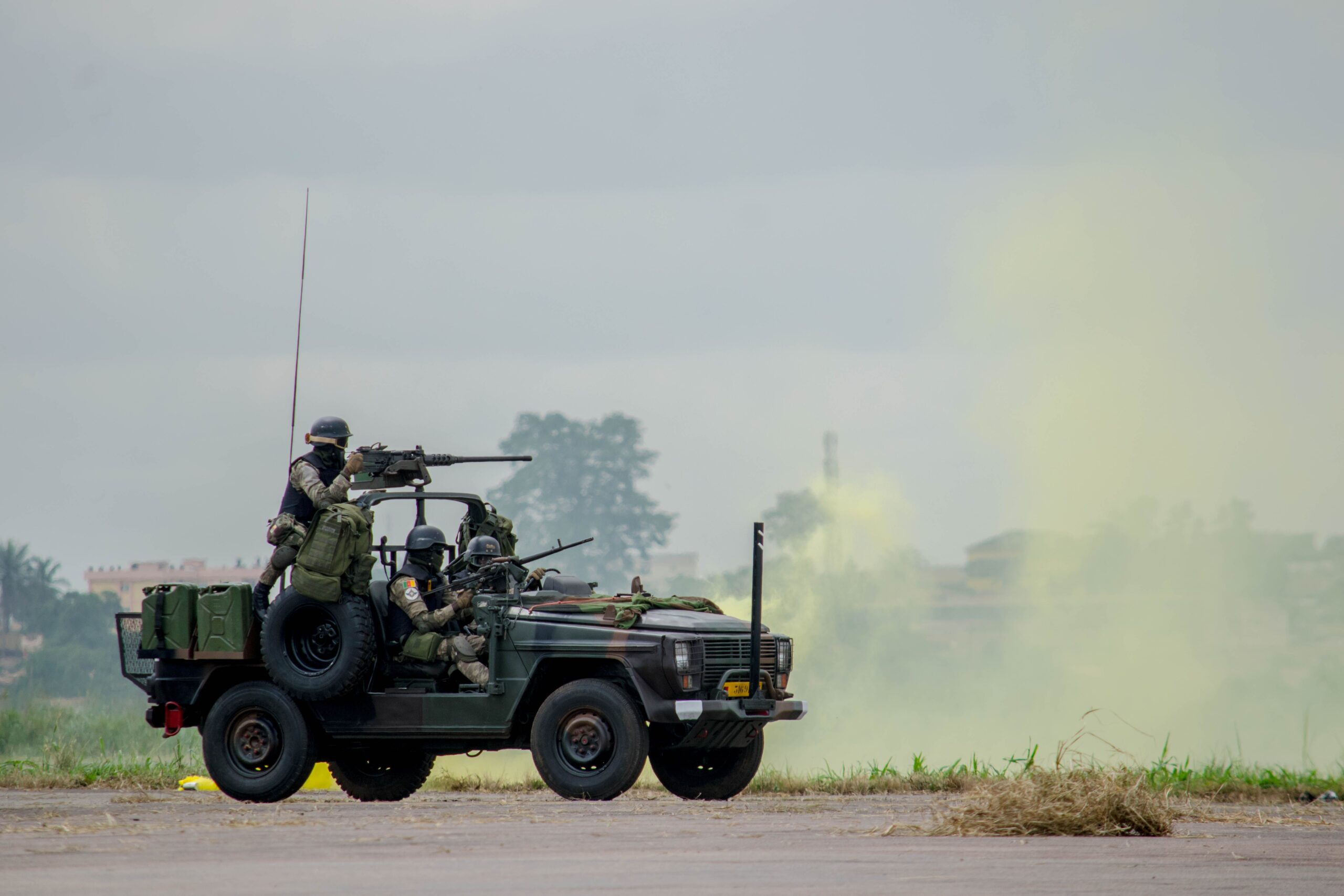
The strategic implications of the pause and subsequent resumption are significant for Ukraine’s defensive posture. Ukraine currently operates roughly six Patriot batteries, primarily used to defend Kyiv. Patriot systems are currently the only effective countermeasure for intercepting high-end threats such as the Russian Kinzhal hypersonic and Iskander ballistic missiles. Alternative systems like NASAMS and IRIS-T are not reliably capable of handling these advanced threats. With no immediate replacement for Patriot interceptors available within NATO, any delay in shipments leaves Ukraine vulnerable to Russian ballistic and hypersonic missile barrages. Ukrainian officials have warned that such delays could encourage Russia to scale up its onslaught. Russia, for its part, has commended the pause, viewing it as a weakening of Ukraine’s air defense capabilities.
The urgency of this logistical issue is underscored by recent battlefield developments. Russia has fired escalating air attacks on Ukraine, including what Ukrainian officials described as the largest number of drones fired in a single night since the war began. In the city of Dnipro, a near-total blackout occurred early Friday after Russian attacks damaged energy infrastructure. More than 350,000 people were left without power, according to Oleksandr Hanzha, head of the military administration in Dnipropetrovsk Oblast. The attacks also resulted in significant civilian casualties; at least 14 people were killed in an attack on a rail platform in Dnipro early Thursday, with at least six more dying in additional strikes that day.
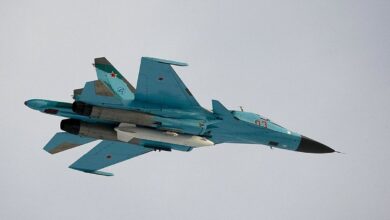
Ukrainian President Volodymyr Zelenskyy has emphasized the life-and-death ramifications of the aid pause. He urged allies to urgently supply more air defense interceptors, particularly for Patriot systems, citing intelligence that Russia is preparing new ballistic missile attacks. “We need the capabilities to shoot down this Russian evil and are awaiting the decisions,” Zelenskyy said in an evening address from Kyiv. Zelenskyy also claimed that Ukrainian forces had destroyed two Russian Su-34 fighter jets and struck an Iskander missile launcher late Thursday. These claims highlight the dual-track nature of the conflict: while Ukraine seeks to strike deep into Russian territory—such as the drone attack that set fire to an oil refinery in Novokuibyshevsk, Samara Oblast—it remains critically dependent on Western air defense systems to protect its own population centers.
Tensions between Kyiv and Washington have run high in recent weeks. Ukraine’s Ministry of Foreign Affairs summoned the US Embassy charge d’affaires to demand explanations for the pause, warning that delays would embolden Russia. Meanwhile, the Pentagon has reportedly told NATO allies to tone down public criticism of Russia, aiming to manage diplomatic fallout. A six-day local ceasefire in Kherson, southern Ukraine, has held for a third day, raising cautious optimism for a broader truce, though attempts at a comprehensive peace deal have so far been unsuccessful. A new round of US-brokered peace negotiations is expected next month in Abu Dhabi, with both sides emphasizing the need for security guarantees.
As the resumption of 155 mm munitions and GMLRS rockets takes effect, the broader question of US stockpile sustainability remains unresolved. The administration faces the challenge of balancing its commitment to Ukraine’s survival against the domestic priority of maintaining US military readiness. For now, the focus remains on the immediate flow of interceptors and artillery, critical components in a war where the pace of Russian strikes continues to outpace Ukraine’s current defensive capacity.