The coalition’s report of the drone interception followed a series of defensive actions over the preceding 24 hours. On Thursday, al-Malki stated that coalition forces had destroyed a ballistic missile fired by the Houthis toward Saudi Arabia’s eastern region. Later that day, the coalition reported intercepting two additional ballistic missiles aimed at the Saudi capital, Riyadh. By early Friday, al-Malki confirmed the destruction of a Houthi cruise missile targeting western Saudi Arabia, before the reported interception of the drone near Mecca. These successive defenses illustrate the sustained pressure Saudi air defenses have faced, prompting the coalition to emphasize the scale and variety of threats it is neutralizing.
The Houthi response to the Mecca-related interception was categorical. A Houthi spokesperson denied that the group targeted the holy city or its vicinity, reiterating that their cross-border operations remain strictly focused on Saudi energy and military infrastructure. “Our operations target [Saudi] oil facilities and military bases, and there is no longer anyone in this world who believes these fabrications and lies propagated by the criminal Al Saud regime,” the spokesperson wrote. This denial is part of a broader rhetorical strategy by the Houthis to frame their actions as defensive and targeted, while accusing the Saudi-led coalition of fabricating narratives. The coalition has previously accused the Houthis of launching drones toward both Mecca and Medina, Islam’s two holiest cities, a claim that has consistently been rejected by the Yemeni group.
The diplomatic and strategic implications of these exchanges are significant. By denying targeting religious sites, the Houthis seek to maintain a level of international legitimacy and avoid a wider regional backlash that could alienate Muslim-majority nations. Conversely, the Saudi-led coalition’s emphasis on intercepting threats near holy cities serves to rally domestic and international support by framing the conflict as one of security and religious protection. The inability to verify independently where these drones were ultimately headed or their specific intent adds a layer of uncertainty to the geopolitical narrative, relying heavily on the opposing official claims.
While high-level diplomatic tensions rise, the human cost of the conflict continues to mount on the ground in Yemen. Humanitarian agencies have warned of worsening conditions for civilians as hostilities show no sign of slowing. In the city of Taiz, which remains under a suffocating siege, the governor reported heavy shelling of residential neighborhoods. Al Jazeera Arabic correspondent Hadeel al-Yamani reported from Taiz that aircraft are frequently heard over the city, which lacks medical supplies, water, and fuel. The siege has created a humanitarian emergency, with civilians trapped in areas subject to intermittent clashes and sporadic fighting, particularly around the northern fronts of Jabal Saber and Jabal Habashi.
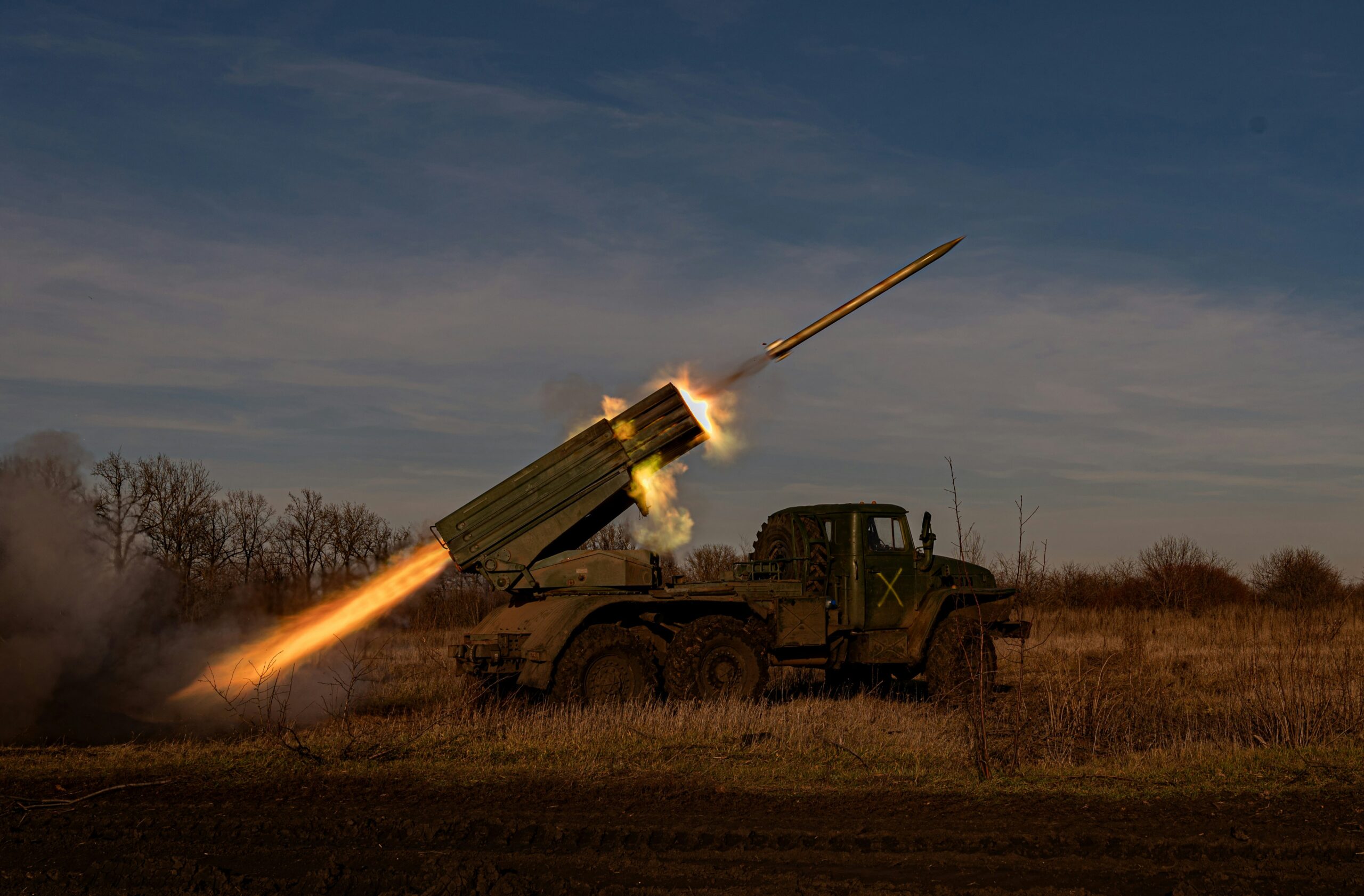
Media outlets affiliated with the Houthis reported that coalition air attacks were targeting the Mahliyah district in Marib, Haifan in Taiz, and Huwaishan in al-Jawf. These attacks coincide with the reported cross-border missile and drone launches, suggesting a reciprocal cycle of violence that continues to escalate. The governor of Taiz noted that while the northern fronts were relatively calm, there was a notable escalation in hostilities in specific areas, indicating a shifting and intense battlefront. The persistence of fighting along the front lines, as reported by al-Yamani, highlights the ongoing instability that defines the Yemeni civil war, which has been entangled with regional proxy dynamics involving Saudi Arabia and Iran.
The current phase of the conflict is characterized by a lack of a clear path toward a diplomatic resolution. The Saudi-led coalition and the Houthis remain entrenched in their respective positions, with military actions increasingly directed at both military targets and civilian infrastructure. The interception of the drone near Mecca, whether intended or accidental, serves as a flashpoint that could further inflame regional sentiments. As the coalition continues to report defensive successes and the Houthis deny broader targeting, the focus for the international community remains on the humanitarian crisis in Yemen, where the absence of medical supplies and basic necessities in besieged cities like Taiz poses a severe threat to civilian survival.
The situation remains fluid, with the next developments likely to be dictated by the frequency and nature of cross-border strikes. The denial by the Houthis of targeting Mecca stands in direct contrast to the coalition’s assertion, leaving the true scope of the conflict’s impact on religious sites unresolved. For now, the focus remains on the immediate defense of Saudi territory and the urgent humanitarian needs in Yemen, where the siege of Taiz continues to tighten, leaving residents without essential resources amidst ongoing shelling and air raids.