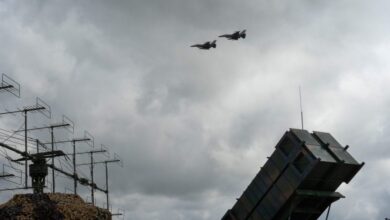
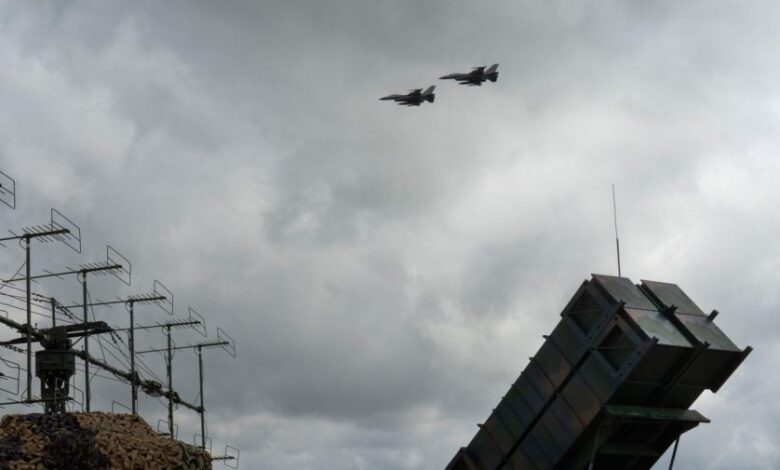
The approval comes at a critical juncture in the conflict, where the preservation of air defense capabilities has become the central pillar of Ukraine’s military strategy. The Patriot system, developed by Raytheon, is a multi-tiered air defense missile system designed to defend against tactical ballistic missiles, aircraft, and cruise missiles. Its primary role in the Ukrainian context is the protection of high-value infrastructure, including energy grids, command centers, and populated areas, from long-range precision strikes. The addition of 500 interceptor missiles to the Ukrainian inventory addresses the depleting stockpiles that have been consumed by sustained Russian missile and drone campaigns.
The operational significance of this sale lies not only in the hardware but in the mechanism of procurement. By shifting the financial burden to allied nations, the United States is maintaining its strategic flexibility while ensuring that Ukraine continues to receive the specific kinetic assets required for area air defense. This approach allows partner nations to directly influence the replenishment of their own defense stocks, which have also been drawn down in response to the conflict. For the United States, this model reduces the immediate fiscal pressure on the federal budget while reinforcing alliance cohesion through shared logistical and financial responsibilities.
From a technical standpoint, the Patriot system operates through a fire control radar that detects, tracks, and classifies incoming threats. It engages targets using MIM-104 interceptor missiles, which employ an active radar homing seeker to guide them to the target. The system is capable of engaging multiple targets simultaneously, a capability that is essential in defending against saturated attacks involving multiple ballistic missiles and high-altitude cruise missiles. The 500 missiles approved in this package would provide a substantial replenishment of the interceptor inventory, allowing Ukrainian air defense units to maintain coverage over strategic regions for an extended period.
However, the deployment and effectiveness of these systems are subject to several constraints. The Patriot system requires a robust logistical chain for maintenance, spare parts, and operator training. While the missiles themselves are the primary asset, their operational readiness depends on the sustained support of allied technical teams and the preservation of the supporting radar and command infrastructure. Furthermore, the geographic distribution of these systems across Ukraine’s vast territory presents a challenge; concentrating assets to protect key cities may leave other regions vulnerable, while dispersing them risks diluting the defensive density required to intercept coordinated volleys.
The political implications of this sale are equally significant. It underscores a growing consensus among Western allies that the security of Europe is inextricably linked to the survival of Ukraine’s air defense network. By funding this specific sale, partner nations are making a tangible investment in the creation of a layered air defense shield that integrates NATO-standard equipment. This move also signals a long-term commitment, moving beyond emergency aid to structured procurement processes that ensure a steady flow of munitions rather than sporadic donations.

It is important to distinguish between the approval of the sale and the actual delivery of the systems. The State Department’s authorization is the first step in a process that includes contract negotiations, manufacturing schedules, and logistical planning. The timeline for the transfer of these 500 interceptors will depend on production rates and the existing backlogs in allied arsenals. Until the missiles are physically delivered and integrated into Ukrainian command and control networks, the operational impact remains potential rather than realized.
The approval of this $2.1 billion sale reflects a broader shift in defense diplomacy, where the focus is shifting from short-term emergency assistance to sustainable, partner-funded replenishment. For Ukraine, the receipt of these interceptors will be a critical factor in mitigating the strategic threat posed by long-range strikes, potentially reducing the frequency and severity of attacks on civilian infrastructure. For the international community, it demonstrates a viable model for sustaining high-cost defense operations without depleting the home nation’s own strategic reserves. As the conflict continues, the effectiveness of this new funding and procurement model will be measured by the consistency of deliveries and the sustained operational tempo of Ukraine’s air defense forces.