
On Monday, authorities froze financial and asset transactions involving board chairs, members, authorized signatories, their spouses, and first-degree relatives connected to nine firms: Pusula Finans Holding, Pusula Yatırım Menkul Değerler, Tera Yatırım Menkul Değerler, Tera Portföy Yönetimi, Hedef Holding, Hedef Portföy Yönetimi, Bulls Yatırım Menkul Değerler, Bulls Portföy Yönetimi, and Ufuk Yatırım Yönetim ve Gayrimenkul. Banks, notaries, land registry authorities, and the Financial Crimes Investigation Board (MASAK) have been instructed to prevent these assets from being transferred or reduced without prosecutorial approval. The restrictions are designed to uncover proceeds from crime, prevent the concealment of assets, and protect the rights of affected citizens.
The enforcement action stems from a report issued by the Capital Markets Board of Türkiye (SPK) on September 17, which identified suspected market manipulation in the shares of Katılımevim Tasarruf Finansman (KTLEV), a listed savings financing company, as well as Gündoğdu Gıda and Destek Finans Faktoring. Following the regulator’s findings, the SPK filed criminal complaints against 38 individuals and imposed two-year trading bans on them, along with a ban on fund manager Pusula Portföy. Istanbul prosecutors subsequently launched legal proceedings against 25 suspects specifically regarding transactions in Katılımevim shares.
Detentions have accelerated in the days since the regulator’s intervention. On September 21, 15 individuals were detained, while efforts continued to locate another 10 suspects. The following day, Tuesday, 14 more people were taken into custody in connection with suspicious share dealings at Katılımevim. Gürlek stated that legal proceedings have now been launched against 60 suspects in total, with four remanded in custody and 44 others under detention with ongoing legal processes. Five further suspects remain at large. Earlier in the investigation, high-profile figures including Tera Yatırım Holding Chairman Emre Tezmen, Pusula executive Serdar Turhan, and Doğa Sigorta Chairman Nihat Kırmızı were among those detained or subject to travel bans and asset restrictions.
The legal crackdown coincides with a tangible financial shock to the Turkish market. Data from the Central Securities Depository indicates that Turkish investment funds lost 510 billion liras—approximately $11 billion—in assets between the end of August and September 18. This outflow of capital was driven by investor withdrawals that placed pressure on portfolios holding concentrated positions in relatively illiquid shares. Regulators responded by suspending trading and ordering the liquidation of numerous funds to contain the disruption.

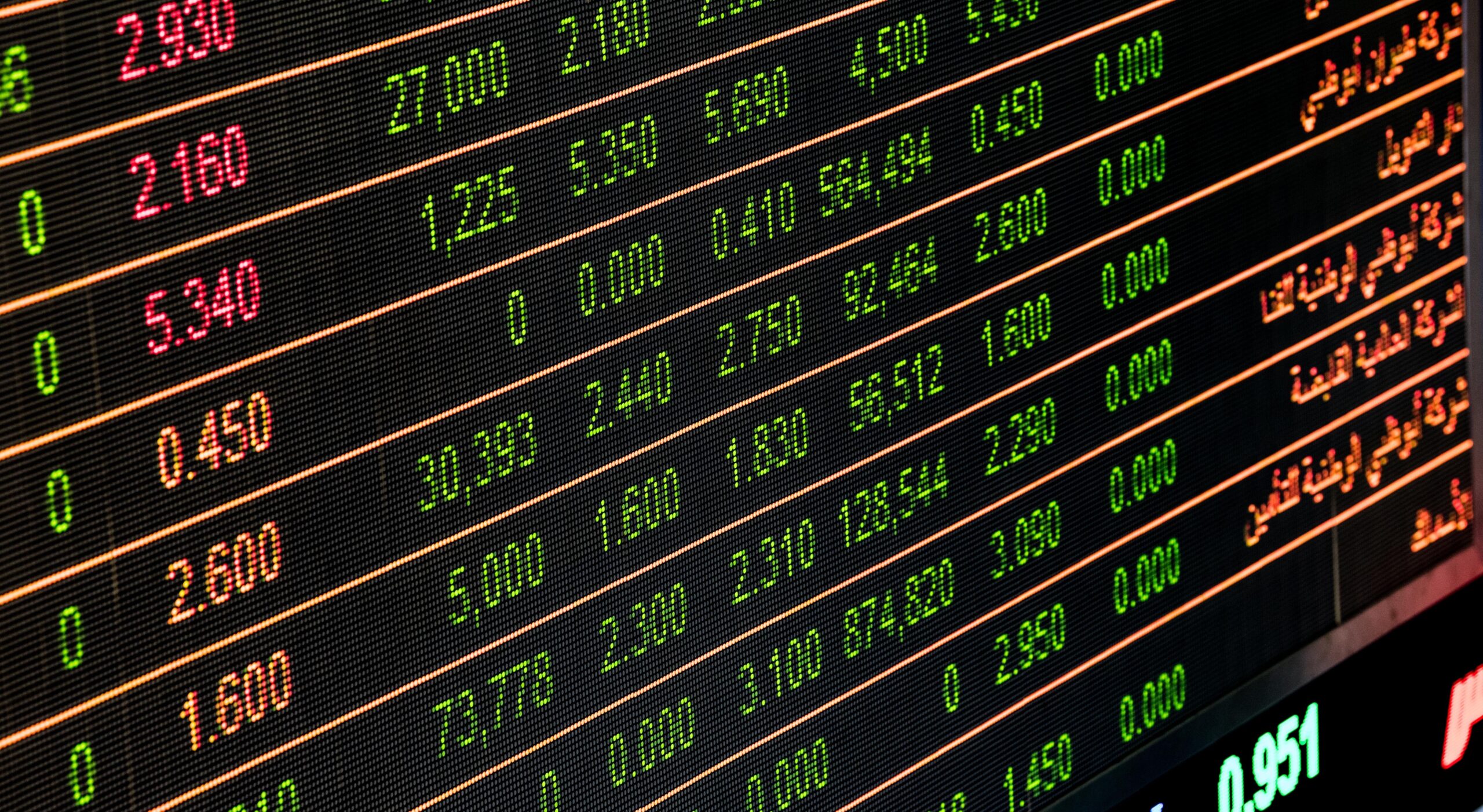
The market reaction was significant. The Borsa Istanbul All Shares Index fell 10% in the week leading up to the latest detentions, erasing roughly $51 billion from the value of Turkish stocks. This represented the largest weekly drop since March 2025. Treasury and Finance Minister Mehmet Şimşek has stated that the liquidation of funds is not expected to exert further pressure on the exchange, citing regulatory changes designed to prevent contagion risk to the broader market.
The investigation also extends to monitoring overseas money and cryptocurrency transfers since 2024, as well as general account inflows and outflows for executives at the named groups and their immediate family members. The scope of the asset-preservation orders highlights the simultaneous involvement of prosecutors, the securities regulator, and financial-intelligence authorities in addressing the crisis. While the detentions do not establish criminal liability, the combined criminal, securities, and asset-preservation measures underscore the severity of the suspected abuse in Turkey’s capital markets.