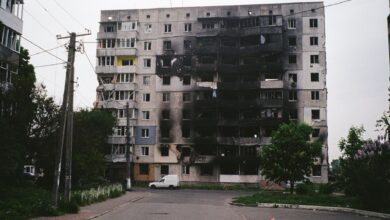

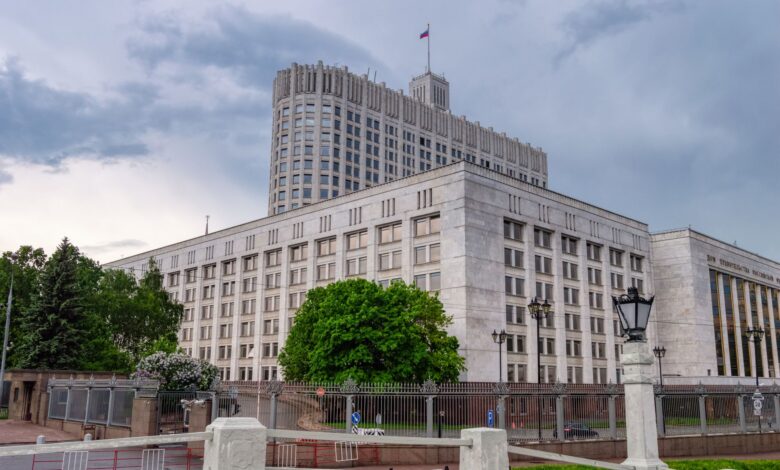
Lapin’s removal from the armed forces followed a series of battlefield setbacks during the ongoing conflict in Ukraine. As a Colonel General, he held one of the highest ranks in the Russian military hierarchy, a position typically reserved for officers commanding major strategic directions or large military districts. His dismissal represented a significant personnel change within the Russian General Staff and command structures, occurring against a backdrop of intense combat operations and resource strain on Russian forces.
The transition from active military command to a senior civilian administrative post in Tatarstan illustrates a pattern observed in the Russian political and military establishment, where senior officers are sometimes reassigned to regional leadership roles after leaving active duty. Tatarstan, located in the Volga Federal District, is a major economic and industrial hub with a distinct cultural and historical identity. Appointing a former high-ranking general to a Deputy Prime Minister position suggests an intent to leverage military experience and administrative discipline in regional governance.
The specific operational failures that led to Lapin’s dismissal last year have been noted as contributing factors to his removal. While the Russian military has undergone significant personnel rotations and restructuring in response to the demands of the war in Ukraine, the dismissal of a Colonel General remains a high-profile event. It underscores the consequences of operational performance for senior leadership and the fluid nature of high-level appointments within the Russian security apparatus.

This appointment does not indicate a return to active military service. Instead, it places Lapin in a civilian executive role focused on regional policy implementation, economic development, and administrative management within Tatarstan. The move aligns with broader trends where military veterans and senior officers are integrated into civilian government structures, often in roles that require crisis management skills, logistical oversight, or strict enforcement of federal directives.
The significance of this development extends beyond individual career changes. It reflects the blurring of lines between military and civilian authority in certain Russian administrative contexts. Regional leaders with military backgrounds may approach governance with a different operational mindset, potentially influencing local security policies, infrastructure projects, and economic priorities. For Tatarstan, a region with a strong industrial base, the experience of a former general may be viewed as an asset in managing complex administrative and logistical challenges.
There is no indication that Lapin’s new role involves any direct military command or operational oversight of armed forces. His responsibilities as Deputy Prime Minister are expected to be strictly administrative and policy-oriented, consistent with the standard functions of regional government officials. The appointment has been confirmed as part of standard personnel changes within the Tatarstan government.
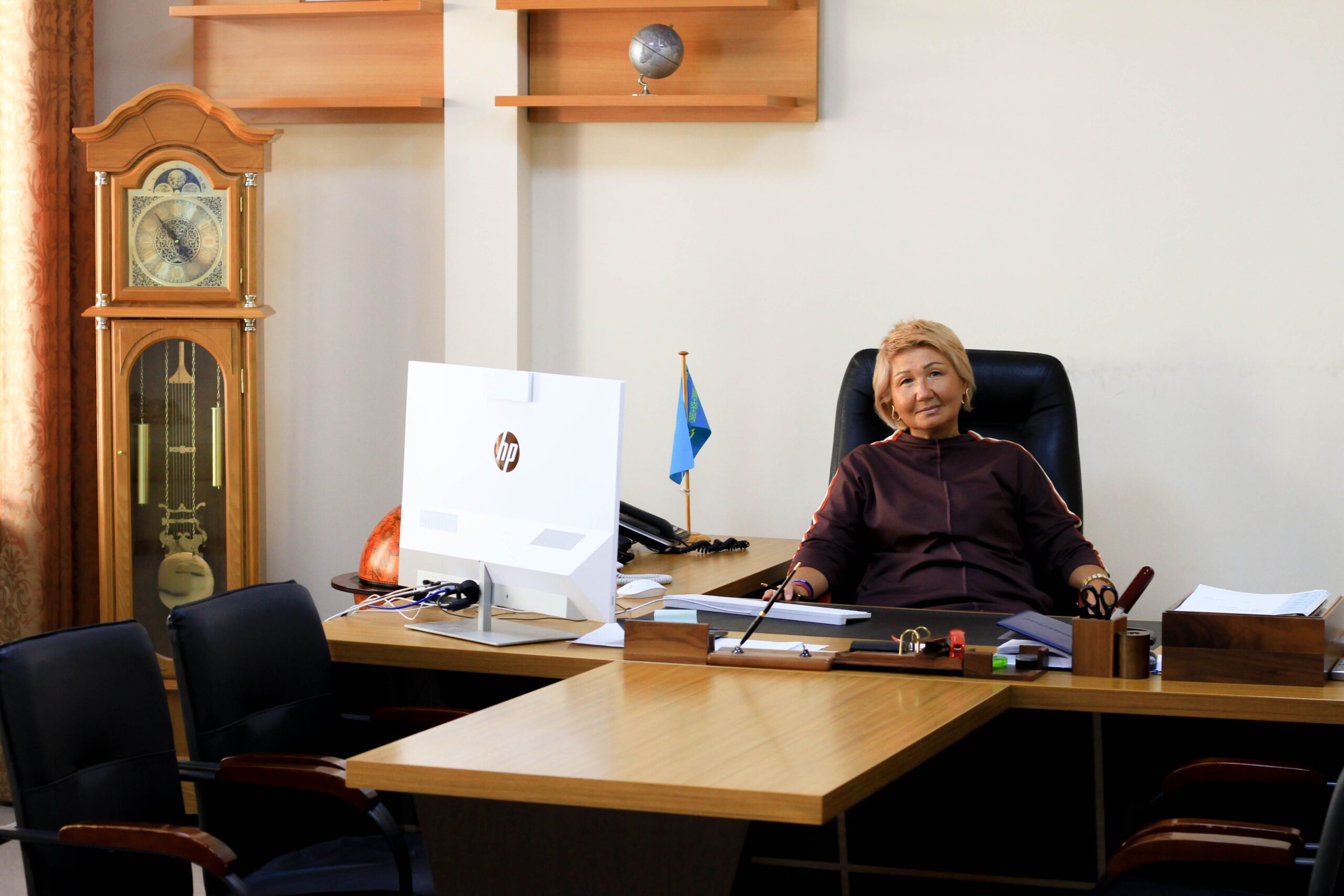
The case of Alexander Lapin highlights the dynamic nature of Russian elite circulation, where military service and civilian governance are not mutually exclusive career paths. While his removal from the army was linked to specific battlefield outcomes, his subsequent elevation to a senior regional political role demonstrates the alternative avenues available to high-ranking officers. This transition continues to be observed as part of the broader structural adjustments within Russian leadership following the onset of the conflict in Ukraine.
As Lapin settles into his new duties in Kazan, the capital of Tatarstan, his performance in this civilian capacity will be evaluated on administrative and economic metrics rather than military ones. The appointment serves as a concrete example of how the Russian state manages the careers of its senior security personnel, ensuring that even those removed from active duty due to operational failures can be reintegrated into the political structure in roles deemed appropriate for their rank and experience.