The core of the disagreement lies in which sectors bear the brunt of the savings. The Irish proposal targets global cooperation and competitiveness for the deepest cuts, while offering more protection to agriculture and cohesion funds, which would see reductions of only 3%. This nuanced approach attempts to balance the pressure from Northern European states, such as Germany, which have called for savings worth hundreds of billions of euros, against the demands of 17 Southern and Eastern European countries. The latter, led by Italy and Romania, have warned in a joint letter that slashing the budget would undermine farmers’ subsidies and regional development payouts, essential components of their economic stability.
European Commission President Ursula von der Leyen has entered the fray to warn against what she describes as “large cuts.” Speaking to the European Parliament in Strasbourg, she argued that reducing the size of the EU’s common cash pot would “cut deep into critical priorities” such as energy autonomy and competitiveness. Von der Leyen emphasized that the Commission’s original proposal represented just 1.26% of the EU’s gross national income (GNI), a relatively modest figure. She urged leaders to approve a significant package of new “own resources” — EU-wide taxes — to finance the budget, thereby reducing the reliance on national contributions. Her warning comes days before the Irish presidency is expected to table a formal negotiating document, highlighting the urgency of reaching an agreement before the 2027 elections in France, Italy, and Poland potentially disrupt the legislative calendar.
Photo by Werner Pfennig on Pexels
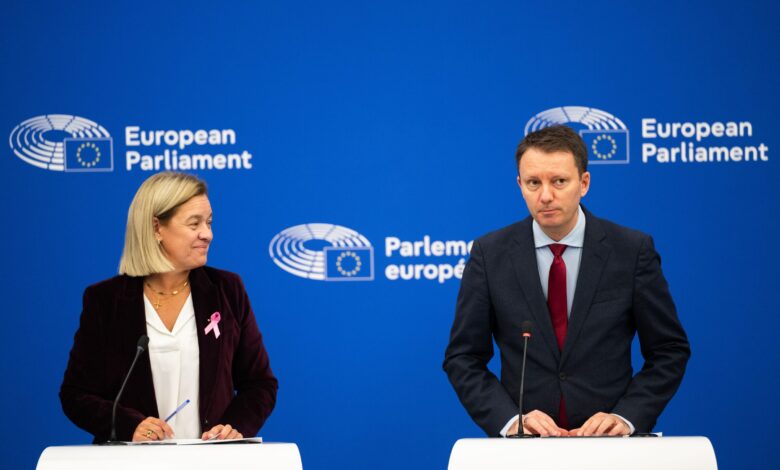
The European Parliament has largely aligned with the Commission’s stance, rejecting the premise that the EU budget is a burden rather than an investment. MEPs Siegfried Mureşan and Carla Tavares, budget chiefs in the legislature, argued that the current budget has lost approximately 10% of its purchasing power since 2020 due to inflation, meaning that in real terms, the EU’s spending capacity has stagnated or declined over the past four decades. They estimated that the economic benefits of EU membership are two to six times the financial contribution of individual member states. To address revenue needs without increasing national levies, the Parliament supports the Commission’s basket approach to own resources and has proposed additional mechanisms, including a digital service levy on major platforms (€25.2bn per year), a levy on online gambling (€3.9bn per year), and a crypto-assets-based resource (€3bn per year).
“There is no European competitiveness without cohesion, and no European cohesion without competitiveness,” said Portuguese Prime Minister Luís Montenegro, who noted that Portugal’s contribution to the EU budget as a share of its GDP is higher than that of Germany and other wealthier nations.
Photo by Vitaly Gariev on Unsplash
The political arithmetic is complex. While Northern European governments view the EU budget as an area for significant fiscal discipline, Southern leaders argue that cohesion policy is the glue holding the single market together. The Irish proposal of a €55bn-a-year package of own resources aims to bridge this gap by shifting the financing burden from national treasuries to new EU-level revenues. However, the depth of the cuts proposed for competitiveness funds raises questions about the EU’s ability to maintain its industrial edge in a globalized economy. If the 8% cut is accepted, it may signal a shift toward a more defensive economic posture, prioritizing short-term savings over the long-term structural investments that have historically driven European growth.
As EU leaders prepare to meet on 15-16 October to discuss the plan, the stakes extend beyond mere budgetary figures. The outcome will determine whether the EU can fund its strategic autonomy goals or if it will retreat into a more fragmented model of national spending. For now, the gap between the Irish proposal, the Commission’s original ambition, and the Parliament’s defensive stance remains wide, suggesting that the final agreement will require substantial compromise on both the size of the budget and the sources of its revenue.
John Harris covers the economy with a focus on trade, financial policy, inflation, markets, and major business developments. He follows economic data, government decisions, central-bank developments, and changes in international commerce. John aims to explain what the numbers show while avoiding unnecessary speculation, giving readers a practical view of wider economic conditions.